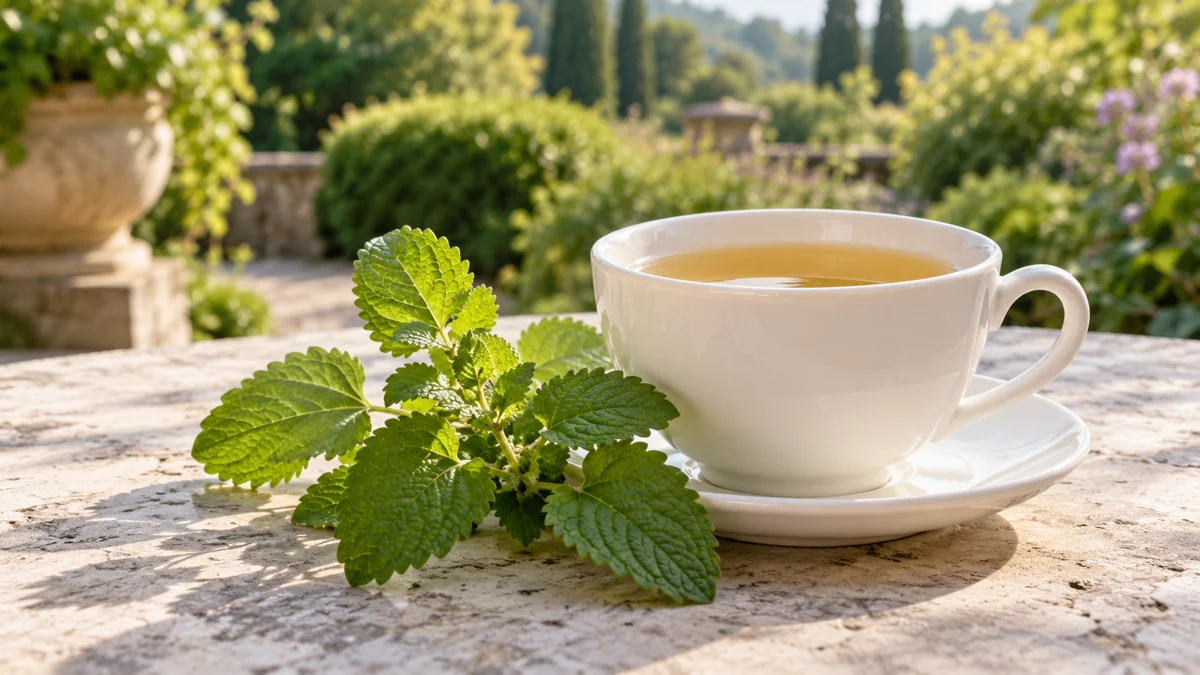
Lemon balm tea can be a pleasant part of an evening routine, but it is not a drink that reliably resolves insomnia. Choose a clearly labelled product containing the leaf of Melissa officinalis L., and follow its directions. This guide covers choosing the tea, preparing it, and understanding the difference between traditional use and proven treatment, including precautions that can be overlooked when a plant is described simply as “natural”.
Article contents
How do you choose and store lemon balm for tea?
Check the plant name, ingredients, expiry date, and preparation instructions on the package. The European Medicines Agency (EMA) discusses lemon balm leaf under the name Melissae folium. This is a useful reminder to check which part of the plant and which preparation you are buying.
Pure leaf and a blend of several herbs are different products. If lemon balm is just one ingredient, read the full list: precautions also depend on the other herbs. Directions for one tea should not automatically be applied to every blend.
Choose tea from a reliable supplier. A photograph and a familiar scent are not enough to identify a wild plant safely. This guide is not an identification or foraging manual.
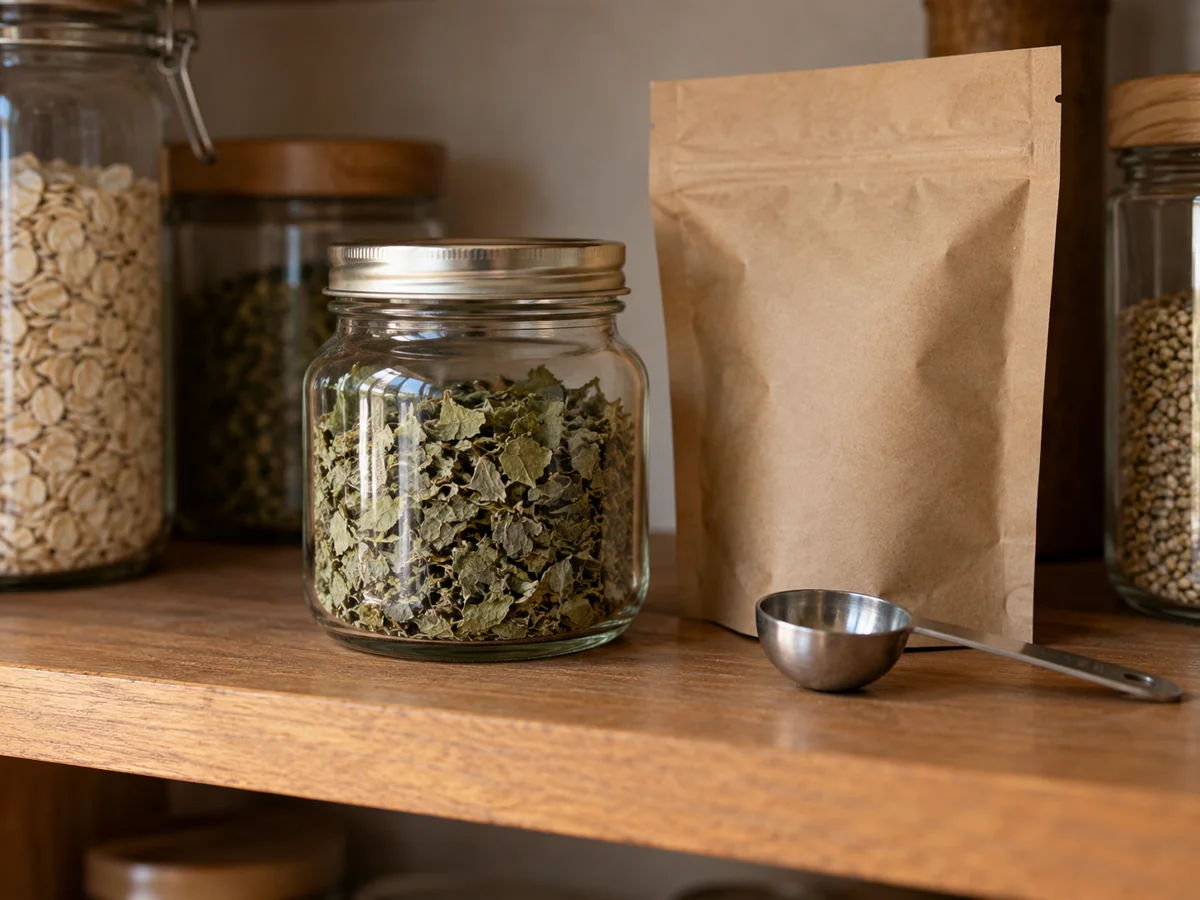
Keep dried leaf well sealed in a dry place, following the storage conditions on the package. If you transfer it to another container, keep the name and expiry information from the original packaging. Use a clean, dry spoon. If the contents become damp or look suspicious, do not use them simply because the expiry date has not passed.
How do you prepare lemon balm tea?
The most useful recipe starts with the directions for your particular product. Tea bags and loose leaf may contain different amounts of plant material, so a teaspoon is not an accurate measure for every package.
For an ordinary drink, the steps are straightforward:
- Read the recommended amount of leaf or number of tea bags and the volume of water.
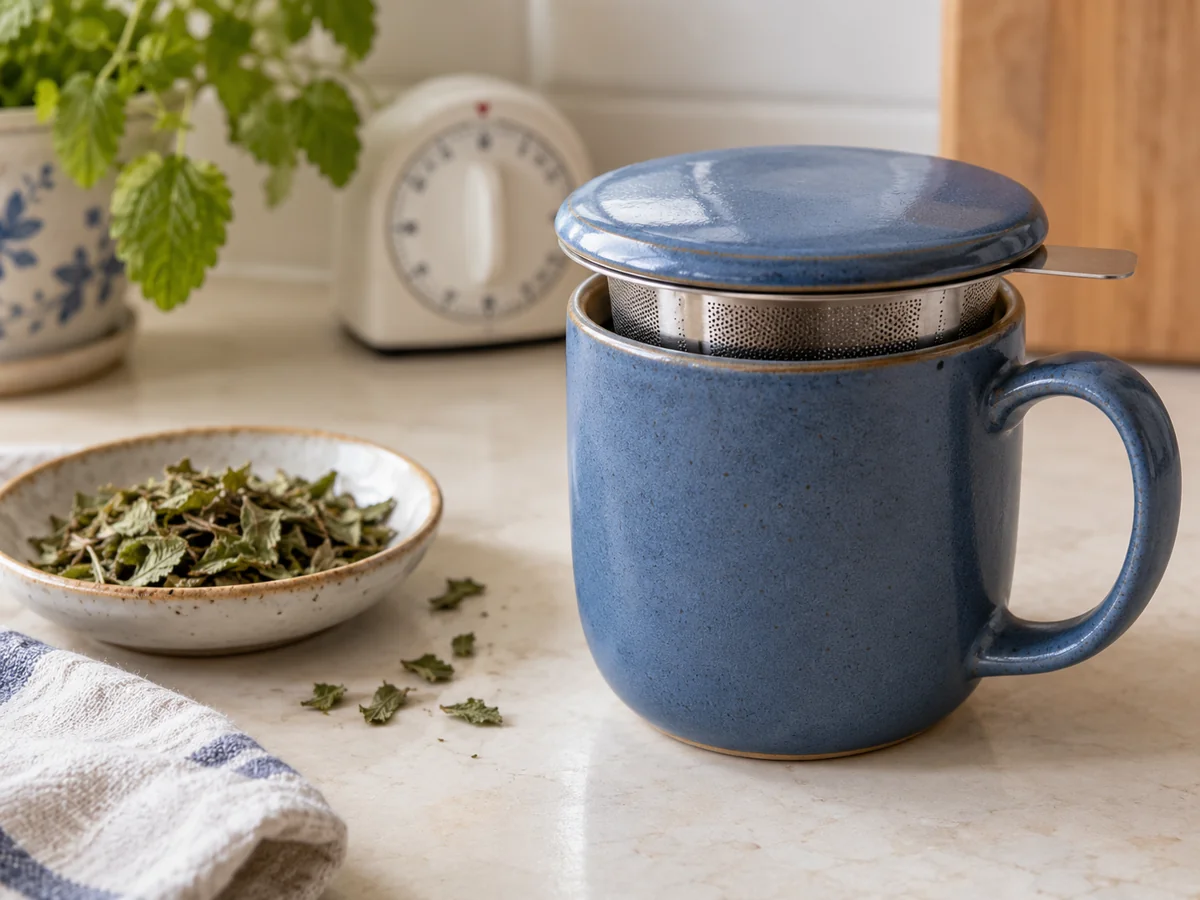
- Put the tea in a clean cup or a suitable infuser.
- Add water as directed on the package.
- Cover the cup and steep for the time recommended by the manufacturer.
- Strain the tea or remove the bag, then let the drink cool to a comfortable drinking temperature.
Do not judge the strength by colour alone. For a similar taste each time, use the same cup, a measured amount, and a consistent steeping time. Do not arbitrarily double the amount of leaf because you expect a stronger tea to work better for sleep.
If the product is a registered herbal medicine, follow its leaflet and your pharmacist’s advice. Preparing a drink in the kitchen does not provide a universal therapeutic dose. A tincture or extract is also not interchangeable with the same quantity of tea.
What is lemon balm traditionally used for?
EMA describes traditional use of leaf preparations for mild symptoms of stress, to help with sleep, and for mild digestive complaints, including bloating and wind. These uses rest on a history of use, with insufficient clinical trial evidence for firm conclusions about effectiveness.
Traditional use does not prove that every cup treats insomnia or an anxiety disorder. The EMA public summary explains that limitations of a small clinical study prevented reliable conclusions. Findings about a particular preparation should not automatically be applied to every tea containing lemon balm.
It is reasonable to choose the drink for its taste and your personal routine, without expecting it to replace a medical assessment or prescribed treatment. Occasional tension and persistent problems that interfere with daily life are different situations.
Can lemon balm tea be part of an evening routine?
Yes, if the drink suits you and you have no restriction on using it. An evening routine involves more than what is in the cup. The NHS recommends a regular waking time, relaxing before bed, and avoiding caffeine close to bedtime.
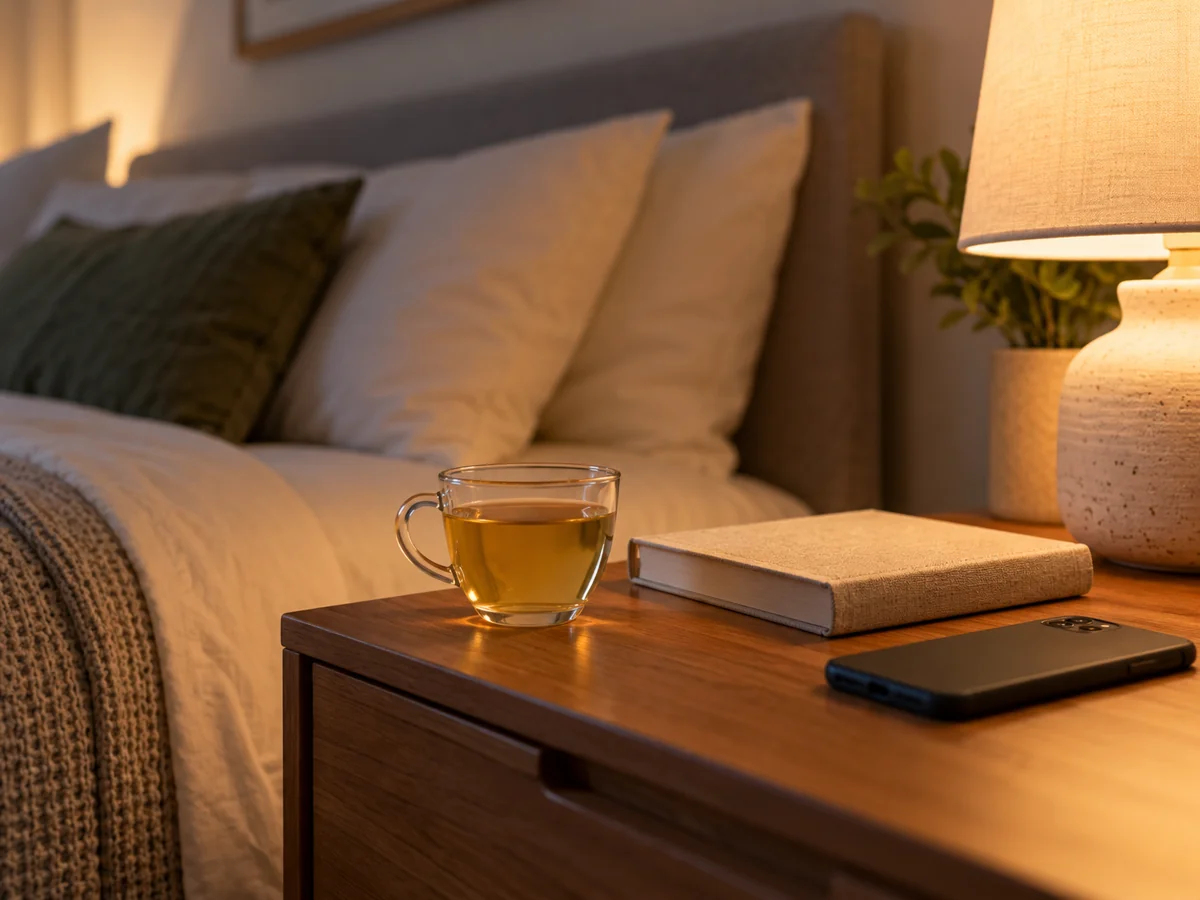
Set aside a quiet part of the evening for reading or another undemanding activity, and put your phone away. Avoid treating the tea as a test: not falling asleep quickly one night is not a reason to make a much stronger drink the next evening.
If sleep problems continue for months or affect your ability to cope with everyday life, speak to a healthcare professional. The NHS notes that treatment for insomnia may include cognitive behavioural therapy. A herbal drink should not delay seeking help.
When is extra care needed?
The EMA monograph sets out important limitations for herbal medicines containing lemon balm leaf:
- Children: use below 12 years has not been established because adequate data are lacking. Do not invent a child’s dose by reducing an adult amount yourself.
- Pregnancy and breastfeeding: safety has not been established; medicinal use is not recommended because there is insufficient information.
- Allergy: do not use a preparation if you are hypersensitive to its active ingredient.
- Driving and machinery: preparations may affect your ability to drive or use machines. If you feel drowsy or less alert, do not drive.
- Medicines: the monograph reports that interaction data are unavailable. This does not prove that every combination is safe; check your product with a doctor or pharmacist if you take medication.
These limitations concern the preparations covered by the monograph. They are not a universal assurance that every drink or blend is safe. According to the EMA public summary, medical advice is needed if symptoms persist after two weeks of use. Seek advice sooner if they worsen.
Can you add honey to the tea?
You can add a small amount to taste once the drink has cooled to a comfortable drinking temperature. Our Honey in Tea guide explains more. Honey is a sweetener; adding it does not establish or enhance a therapeutic effect of lemon balm.
Do not give honey to children younger than 12 months, including in a drink, in line with CDC guidance. This rule does not mean that lemon balm tea becomes recommended for children once they turn one.
For other herbal drinks, see our guides to chamomile tea and peppermint tea. Each herb has its own limitations; these teas should not be treated as interchangeable medicines.
Frequently asked questions
Does lemon balm definitely make you fall asleep?
That effect cannot be promised. Traditional use and limited clinical research do not guarantee that one cup will have the same effect on everyone.
How many cups should you drink each day?
There is no single recommendation for every product and every person. Follow the label or herbal medicine leaflet, taking your own restrictions into account.
Is a “sleep blend” the same as pure lemon balm?
No. Check all the ingredients and the directions for the blend. This article does not assess the safety of every combination of herbs.
Conclusion
Prepare lemon balm tea from clearly labelled leaf, following the product’s directions. It can be part of a pleasant routine, but traditional use should not be presented as proof that it treats insomnia. Pay attention to precautions, existing medication, and symptoms that persist or get worse.