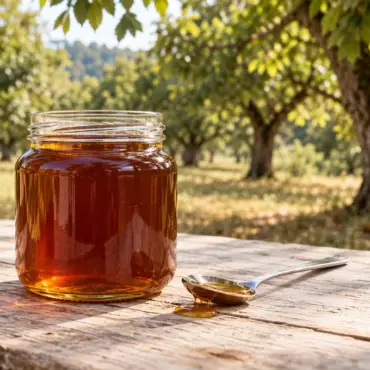
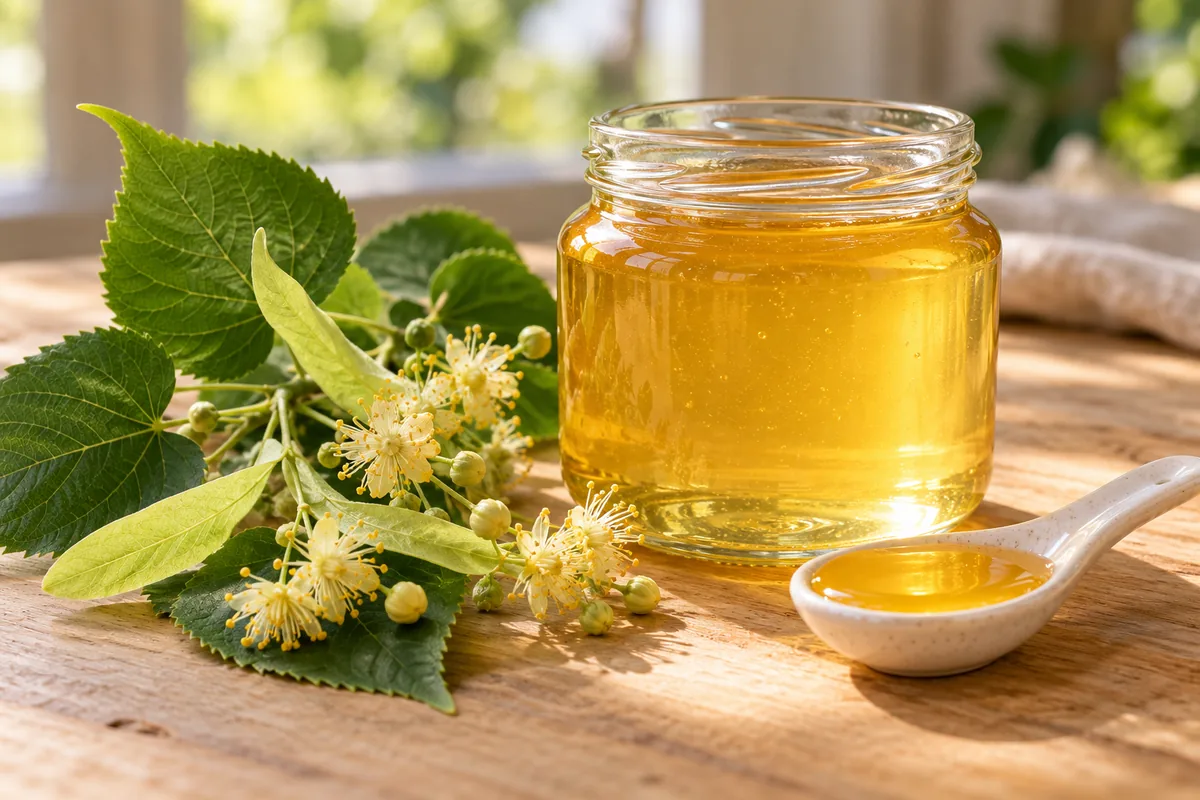
Linden honey is honey associated with linden trees, also known as lime trees in some English-speaking regions. It is valued for a distinctive aroma and a flavor that can seem fresh, herbal and slightly astringent; it can also crystallize naturally, without that change alone meaning it has spoiled or contains added sugar.
When choosing your first jar, checking its origin and tasting a small amount is more useful than looking for one supposedly correct color or scent. Linden honey and linden tea are different products: their connection to the same plant does not make their ingredients or effects interchangeable.
Contents
What is linden honey and how is it made?
Bees process the forage they collect and store honey in the comb. The name refers to its botanical origin, rather than to linden flowers being added to a finished jar.
The source is not always limited to flower nectar. The Slovenian Beekeepers’ Association includes linden honey among varieties that can be associated with both nectar and honeydew.
Two jars with the same variety name can therefore differ. Read the product information alongside the aroma and appearance, instead of treating a previous jar as an exact standard for every future purchase.
What can the variety name tell you?
The name is a useful starting point, but it does not tell you how a particular jar was stored or whether you will enjoy its flavor. Ask the producer about the batch if you need more detail.
A general description of honey cannot replace information about the actual product you are buying. Color and aroma can help you describe your experience, but they are not a complete authenticity test.
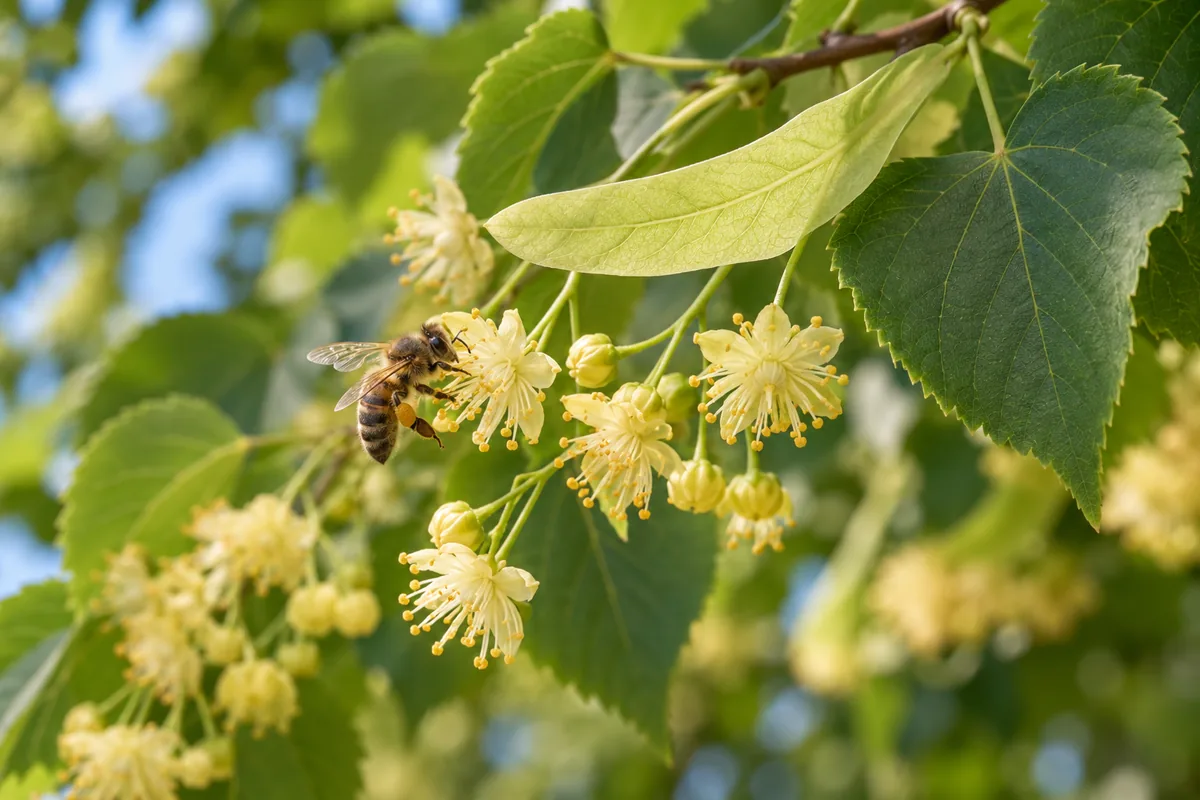
What does linden honey taste and look like?
Linden honey often appeals to people who want more aroma than a very mild sweetener provides. A study of Bulgarian linden honey samples described a fresh herbal aroma, pronounced flavor and an astringent finish.
The same study described pale yellow shades, sometimes with a greenish tone, and finely crystallized textures. These observations help explain possible characteristics; they do not establish a single appearance that proves the origin or quality of every jar.
Try it before mixing it into a meal
Taste a little on its own with a clean spoon before adding it to strong tea or a heavily seasoned dish. Notice whether you enjoy the aroma, how long the flavor lasts and how prominent you want it to be in the finished food.
You do not need specialist tasting vocabulary to choose honey for your kitchen. Knowing whether you prefer this flavor or would enjoy something milder is enough to guide a practical choice.
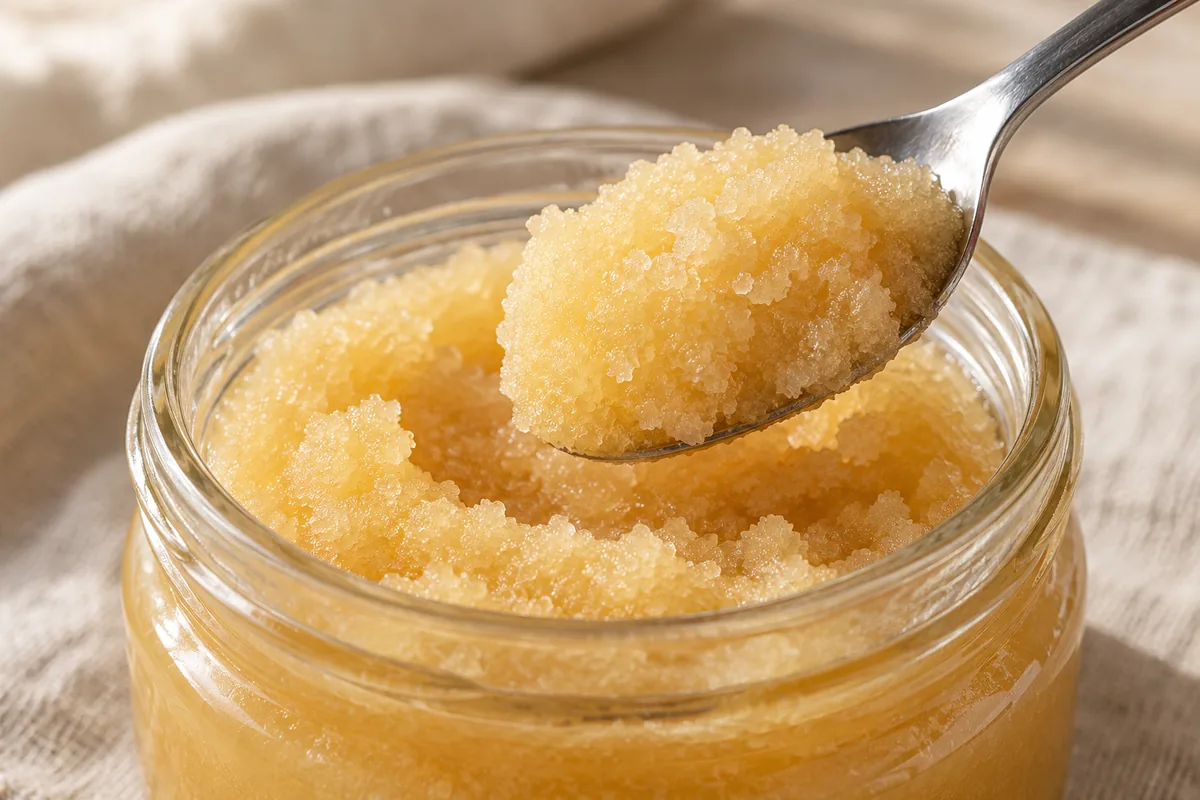
Does linden honey crystallize?
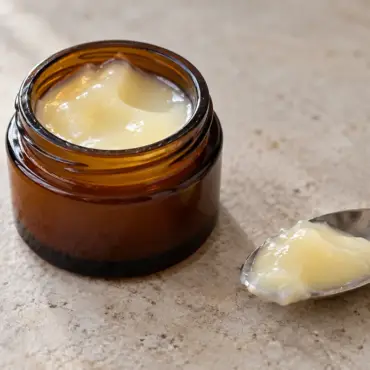
Yes, linden honey can naturally become crystallized. Avoid judging it against a fixed deadline by which every jar is supposed to set: the pace varies with the honey and its storage conditions.
The Slovenian Beekeepers’ Association’s explanation of crystallization describes it as a natural change. Our guide to why honey crystallizes explains the subject in more detail.
Does it need to become liquid again?
There is no need to soften the honey if its thicker texture suits spreading or stirring into food. If you prefer a more liquid consistency, avoid strong or prolonged heating and placing the jar directly against a high-heat source.
Crystallized honey does not automatically need fixing. Your preferred texture can simply depend on how you plan to use it.
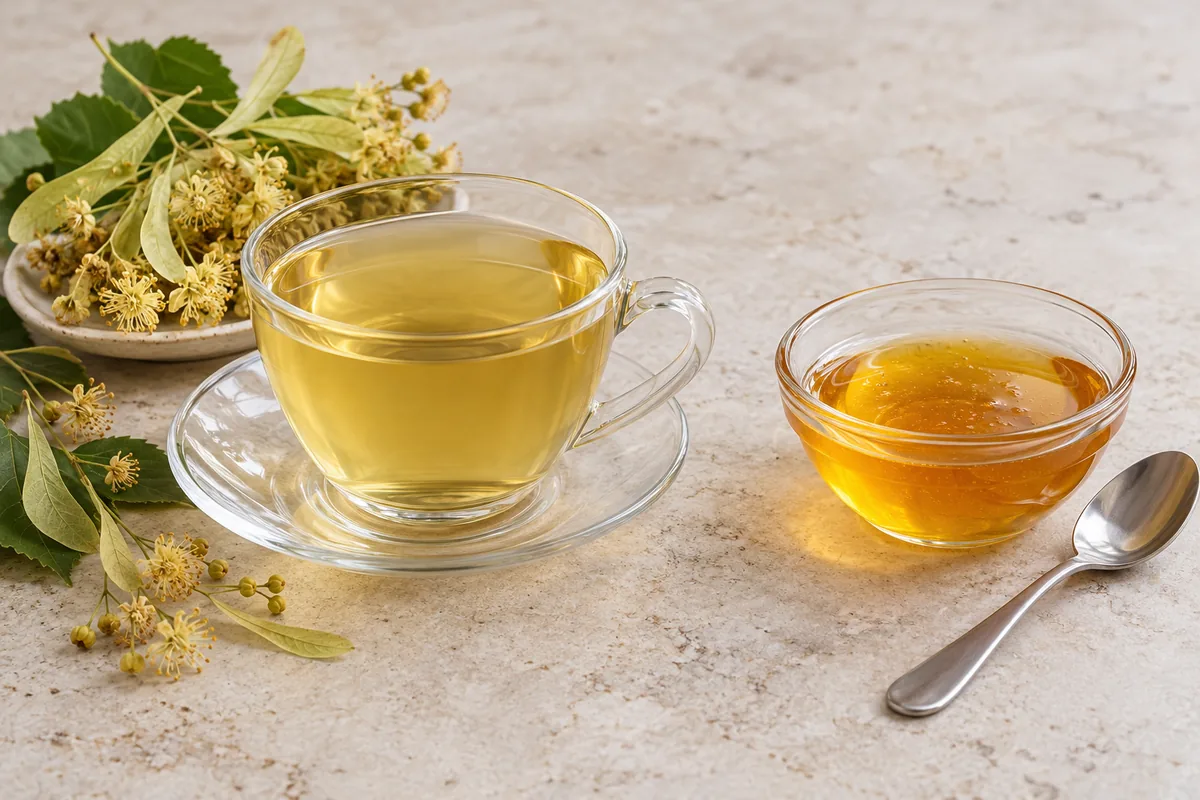
Linden honey or linden tea: what is the difference?
Linden honey is a bee product, while linden tea is an infusion prepared from the appropriate plant material and water. Adding honey to a cup makes a sweetened drink; it does not turn honey and the herbal preparation into the same substance.
| Product | How it is made or prepared | What to consider |
|---|---|---|
| Linden honey | Bees produce honey from forage associated with linden trees | Choose it as food according to origin, taste and intended use |
| Linden tea | Plant material is prepared with water according to the product’s directions | Check the particular tea’s instructions and precautions |
| Tea sweetened with honey | Honey is added to a prepared drink | Both the tea’s ingredients and the amount of honey still matter |
Why tea claims should not be transferred to honey
Research on a particular plant material or herbal preparation does not show that a spoonful of honey has the same composition or effects. This guide treats linden honey as food and makes no promise that it treats colds, insomnia or other conditions.
For preparation and precautions, read our linden flower tea guide. If you want to sweeten a drink, our guide to when to add honey to tea discusses flavor and heat without relying on a universal magic temperature.
How can you use linden honey in everyday meals?
Start with a small amount and taste the finished mouthful before adding more. The aim is to complement the other ingredients while keeping the honey’s aroma as noticeable as you prefer.
For a simple comparison, prepare:
- a small serving of plain yogurt or oatmeal;
- a clean plate or bowl;
- a clean, dry teaspoon;
- a little honey, leaving some of the food unsweetened.
Divide the food into two small portions and add honey to just one. This lets you compare the flavor without committing the entire serving to the same sweetness.
When might you prefer a milder honey?
If you want a subtler flavor, compare it with acacia honey. For another floral variety whose characteristics vary with the available forage, explore our wildflower honey guide.
Avoid choosing a variety solely because an advertisement calls it the healthiest. Clear product information and a flavor that suits your food are more useful everyday criteria.
What should you check when buying and storing it?
Read the product name, producer or packer details, origin and date information. Ask for clarification when something is unclear, especially if promotional claims promise effects that the product information does not explain.
Compare the net quantity as well as the price. A flower photograph, a darker shade or an especially thick texture is not enough on its own to establish that one jar is better.
A simple routine after opening
Follow the storage instructions on the label and close the jar tightly. Honey can absorb moisture, so use dry utensils and avoid returning leftovers from a cup or bowl to the shared jar.
Keep the label if you transfer the honey to another container. Recording the opening date can help you track its use, but it does not change the producer’s date information or instructions.
Frequently asked questions and precautions
Is linden honey the same as honey with added flowers?
No. If something has been added, check the exact product name, ingredients and description; a picture of linden flowers on the packaging does not settle that question.
Does crystallization prove that honey is authentic?
Crystallization is not proof on its own. The study mentioned above examined origin using several types of analysis, so looking at texture at home should not be presented as a substitute for those methods.
Can babies have linden honey?
Do not give honey to children younger than 12 months because of the risk of infant botulism, as explained in the CDC’s prevention guidance. The botanical variety does not change that restriction.
Is there a recommended daily dose?
This guide does not prescribe a daily dose of honey. If you monitor sugar intake because of a health condition, or have been advised to avoid a food, discuss your choices and portions with a healthcare professional who knows your circumstances.
Choose according to origin, taste and intended use
Get to know linden honey through a small tasting, clear product information and the way you actually use it. Crystallization is not an automatic reason to discard it, and a shared plant name is not a reason to assign the properties of linden tea to honey.