You opened a jar of honey and noticed that it is no longer as clear and liquid as when you bought it. It may have become thicker, grainy, or even almost solid. If so, there is no reason to assume it has gone bad.
Honey crystallization is a natural process. It happens because of honey’s natural sugar composition and does not by itself mean the product is spoiled or defective.
In this guide, we explain why honey crystallizes, why some types crystallize faster than others, whether crystallized honey is safe to use, how to return it to a more liquid state, and how to store it properly.
Table of Contents
What is honey crystallization?
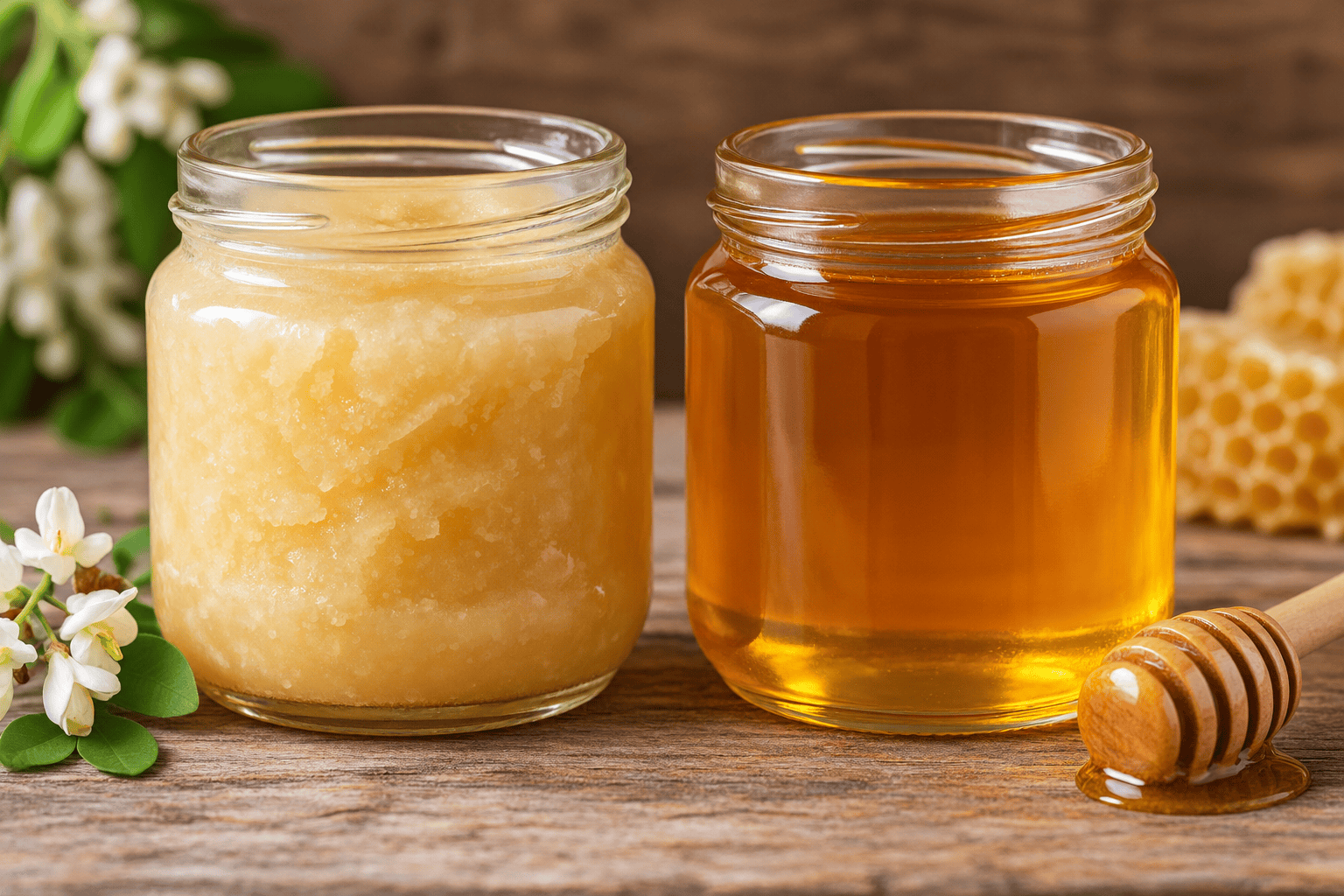
Honey contains several natural sugars, mainly glucose and fructose. Under suitable conditions, some of the glucose can begin to separate from the liquid phase and form tiny crystals.
As the process continues, honey may become thicker, creamy, grainy, or more solid. This is a change in texture and physical state, not proof that the honey has spoiled.
Is crystallized honey spoiled?
No. Crystallization alone does not mean honey is spoiled. Many consumers expect good honey to stay clear and liquid forever, but that is not how many natural honeys behave.
Crystallized honey can look lighter and feel very different in the mouth, yet those changes can be completely normal.
Why does some honey crystallize faster?
Different honeys crystallize at different speeds. Important factors include the ratio of different sugars, water content, temperature, floral origin, and tiny particles that can act as starting points for crystal formation.
That is why one jar can remain liquid for a long time while another becomes creamy or firm much sooner.
How does temperature affect crystallization?
Temperature has a significant effect on how quickly crystals form and grow. Honey stored under different conditions may behave differently at different times of year.
It is also a good idea to avoid unnecessary exposure to high heat if you want to preserve honey’s natural aroma and characteristics.
Does acacia honey crystallize?
Acacia honey is well known for staying liquid for a relatively long time under suitable conditions. Its composition generally makes crystallization slower than in many other varieties.
That does not mean acacia honey can never crystallize. Time, temperature, storage conditions, and the characteristics of the specific batch still matter.
Does crystallization prove honey is real?
No. Crystallization is a natural property of many honeys, but it is not enough to prove authenticity by itself.
Likewise, honey that remains liquid is not automatically fake. If you want a broader explanation, read our guide on how to tell if honey is real.
For more serious authenticity checks, appropriate laboratory methods are used. The European Commission’s honey control information provides useful background.
Can you use crystallized honey?
If honey has been stored properly and shows no unusual signs of contamination or spoilage, crystallization itself is not a reason to throw it away.
You can spread it on bread or toast, add it to breakfast, use it in recipes, or eat it by the spoon. Some people actually prefer the thicker, creamier texture.
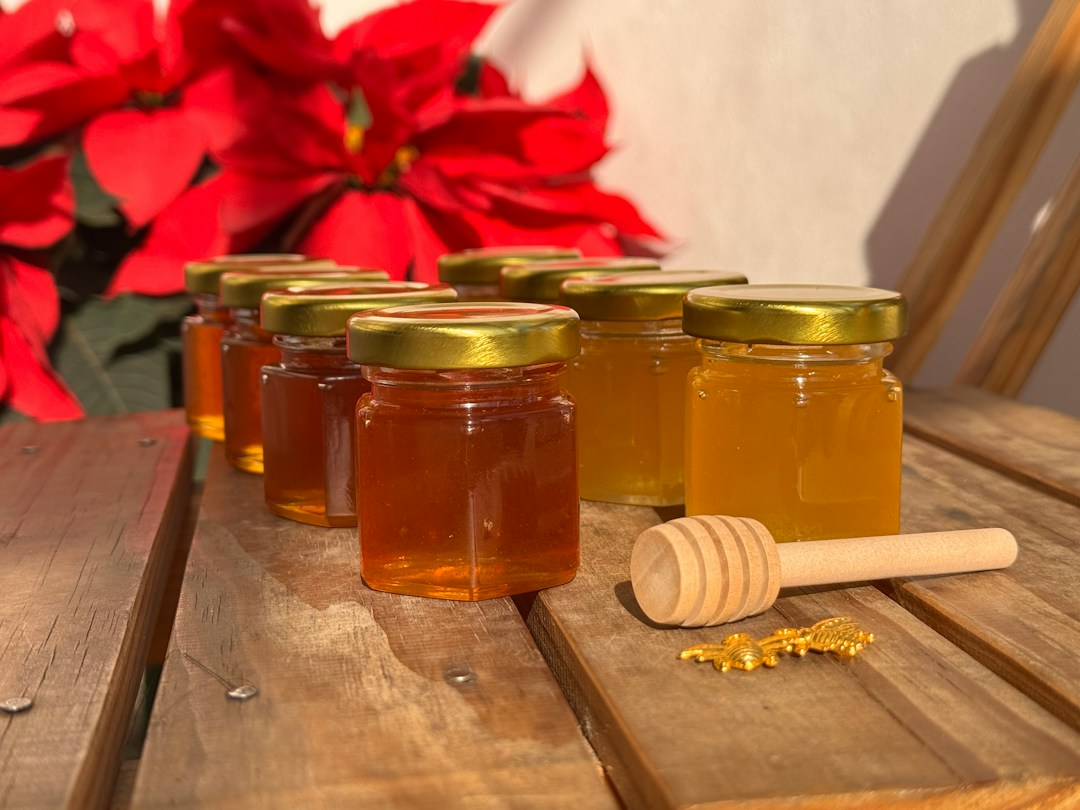
How to make crystallized honey liquid again
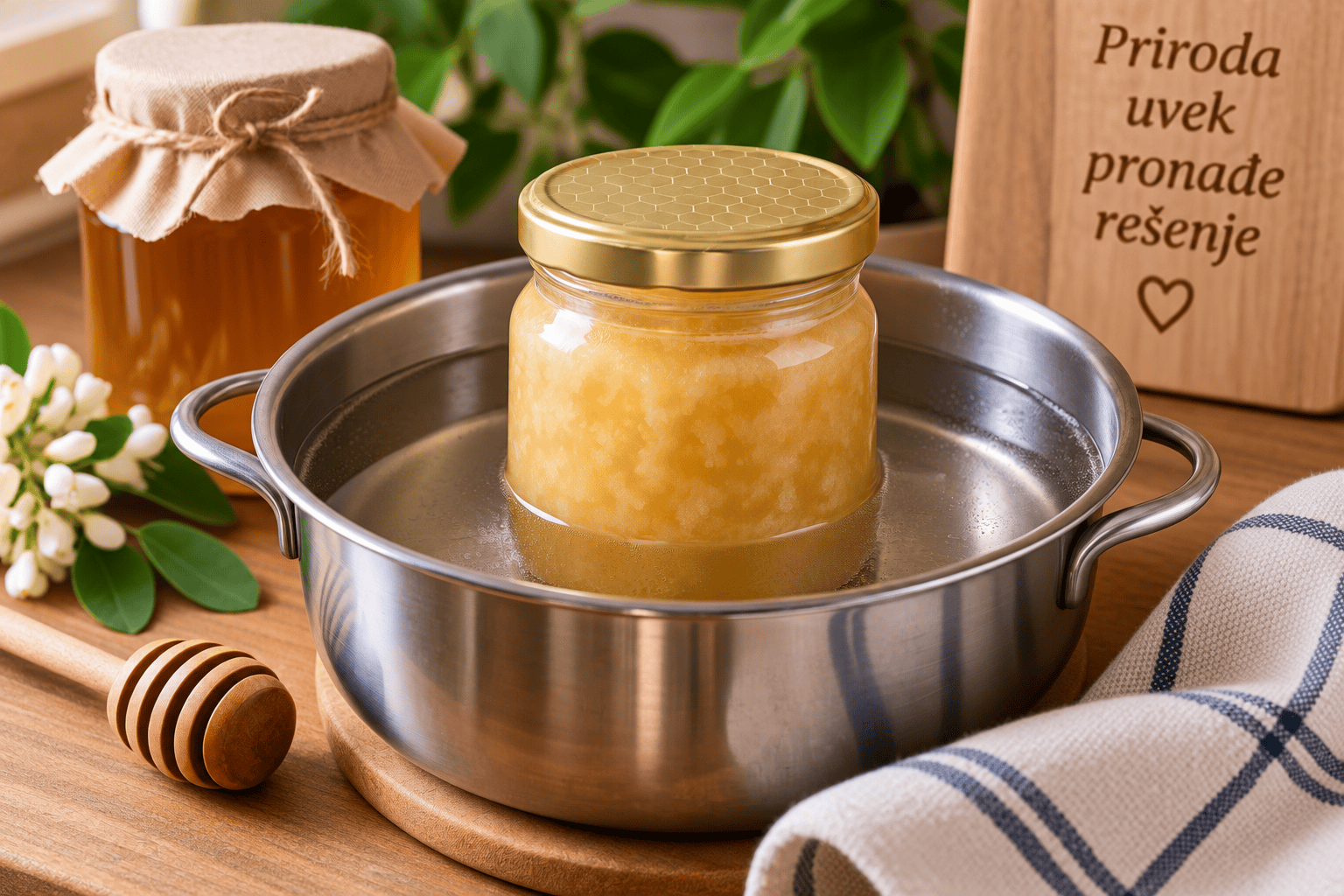
If you prefer liquid honey, you can warm it gradually. Place the closed jar in a container of warm water and allow the honey to heat slowly.
- Use warm rather than boiling water.
- Heat gradually.
- Check the texture from time to time.
- Avoid unnecessarily high temperatures and long heating.
The goal is not to cook the honey, only to warm it enough for the crystals to dissolve.
Does heating change honey?
Excessive heating is not recommended if you want to preserve honey’s natural characteristics. High temperatures can affect aroma and some heat-sensitive components, so gentle warming is preferable.
If you like crystallized honey as it is, there is no need to warm it at all.
How to store honey properly
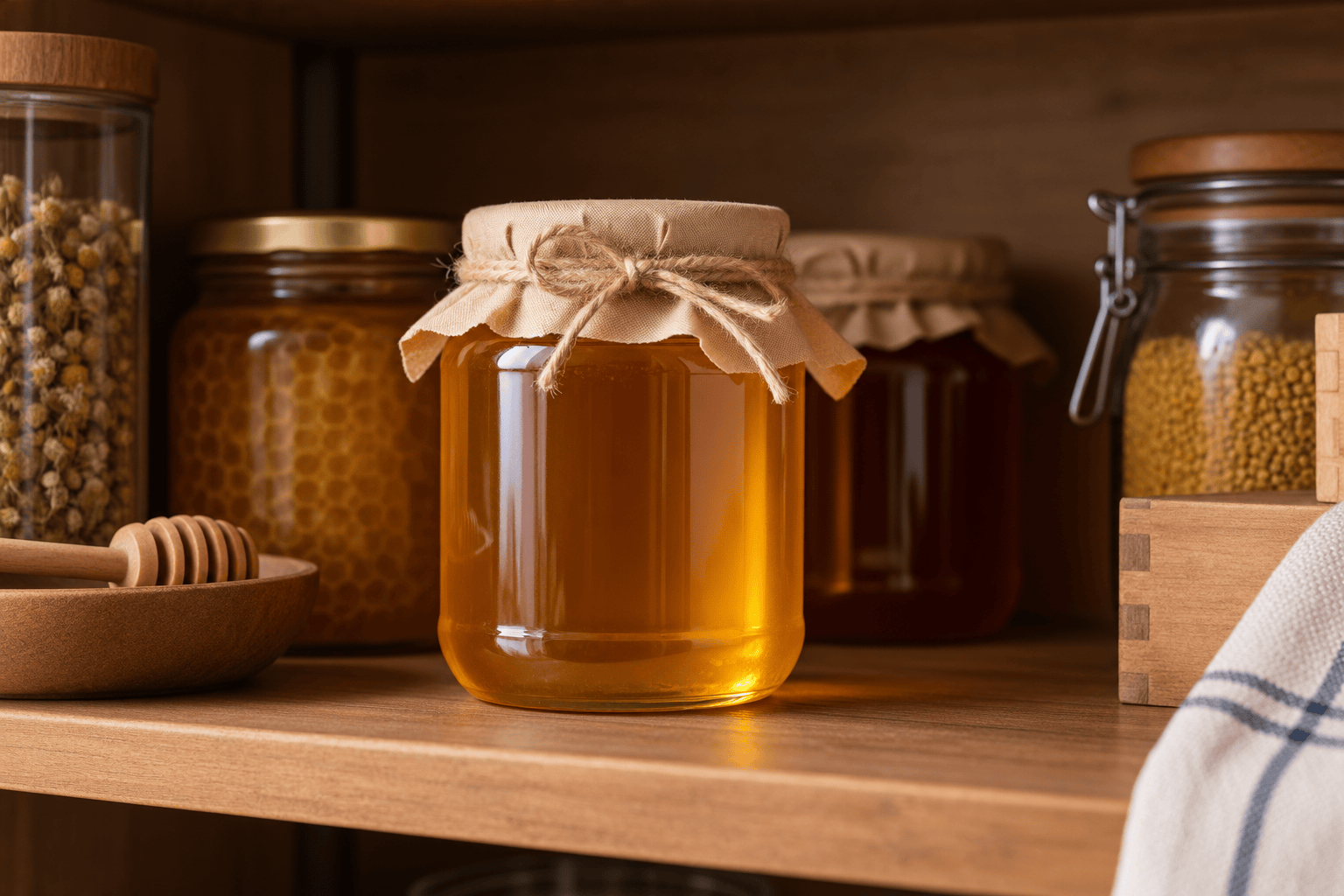
Keep honey tightly closed, dry, protected from direct sunlight, and away from unnecessary heat. Avoid large temperature swings when possible and always use a clean, dry spoon.
One of the most important habits is to avoid introducing water or moisture into the jar.
Is liquid honey better than crystallized honey?
Not necessarily. Liquid and crystallized honey are simply different physical states. Texture alone is not a measure of quality.
Does real honey have to crystallize?
No. Different honey varieties have different crystallization tendencies. Some remain liquid for a long time, while others change texture fairly quickly.
How to tell crystallization from a possible problem
Crystallization is an expected physical change. However, if honey has an unusual smell, visible contamination, or other changes that are not typical for the product you normally use, do not automatically assume it is only crystallization.
Storage conditions and whether the jar was properly closed are also important clues.
Common myths about crystallized honey
“Crystallized honey is spoiled.”
False as a general rule. Crystallization is natural and does not by itself mean spoilage.
“Real honey must crystallize.”
No. Different varieties crystallize at different rates.
“If honey is liquid, it must be fake.”
No. Liquid texture alone is not evidence of adulteration.
“Crystallization proves honey is authentic.”
No. It is a natural characteristic, but not definitive proof of authenticity.
How to use crystallized honey
Use it as a spread, add it to breakfast, include it in recipes where a thicker texture works well, or stir it into drinks after they have cooled slightly.
Why do people say honey has “sugared”?
People often use expressions such as “the honey has sugared” when crystals appear. That wording can wrongly suggest that extra sugar was added or that something unnatural happened. The more precise term is crystallization.
Frequently asked questions
Is crystallized honey spoiled?
No. Crystallization by itself is a natural change in texture.
Why does honey crystallize?
Crystals form when some natural sugars, especially glucose, separate from the liquid phase under suitable conditions.
How do I make crystallized honey liquid again?
Warm the jar gradually in warm water and avoid very high temperatures.
Does crystallization prove honey is real?
No. It is natural, but not sufficient proof of authenticity.
Why does acacia honey crystallize more slowly?
Its natural sugar composition generally favors slower crystallization than many other honey types.
Conclusion
Crystallization is a natural process and does not by itself mean that honey is spoiled. Different varieties crystallize at different speeds, and acacia honey may remain liquid much longer than many others.
If your honey crystallizes, you can use it as it is or warm it gently in water. Most importantly, remember that neither crystallization nor a permanently liquid texture can independently prove whether honey is authentic.