Buying honey may seem simple at first, but if you are wondering how to tell if honey is real, it helps to separate useful observations from claims that cannot reliably prove authenticity at home.
Honey can vary widely in color, aroma, flavor, thickness, and crystallization rate. Acacia honey is often light and can remain liquid for a long time, while other varieties may be darker and crystallize much sooner.
This guide explains what you can reasonably check when buying honey, why popular home tests are unreliable, and when laboratory analysis is the better way to assess authenticity.
Table of Contents
What does “real honey” actually mean?
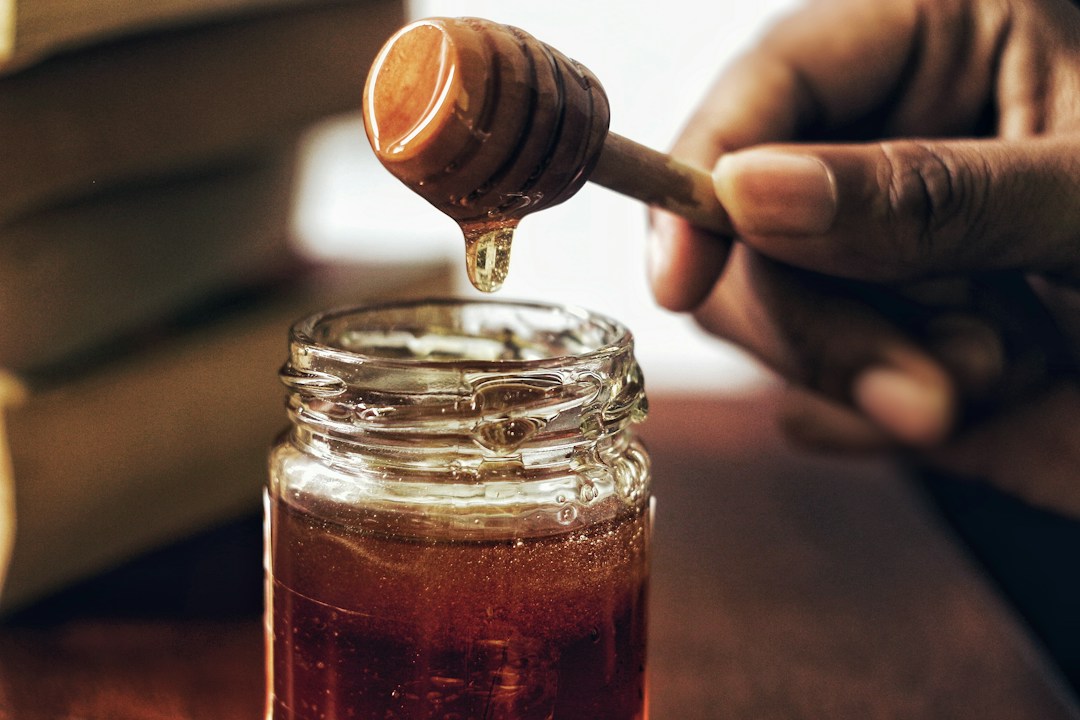
When people say “real honey,” they usually mean honey that matches its label and has not been adulterated with added syrups or other sweeteners. Honey is a natural product made by bees from nectar or other natural plant sources, and its properties can vary considerably.
There is no single color, thickness, or aroma that every authentic honey must have. That is why simple internet tricks should not be treated as definitive proof.
1. Start with the label
One of the most useful things you can do when buying honey is read the label carefully.
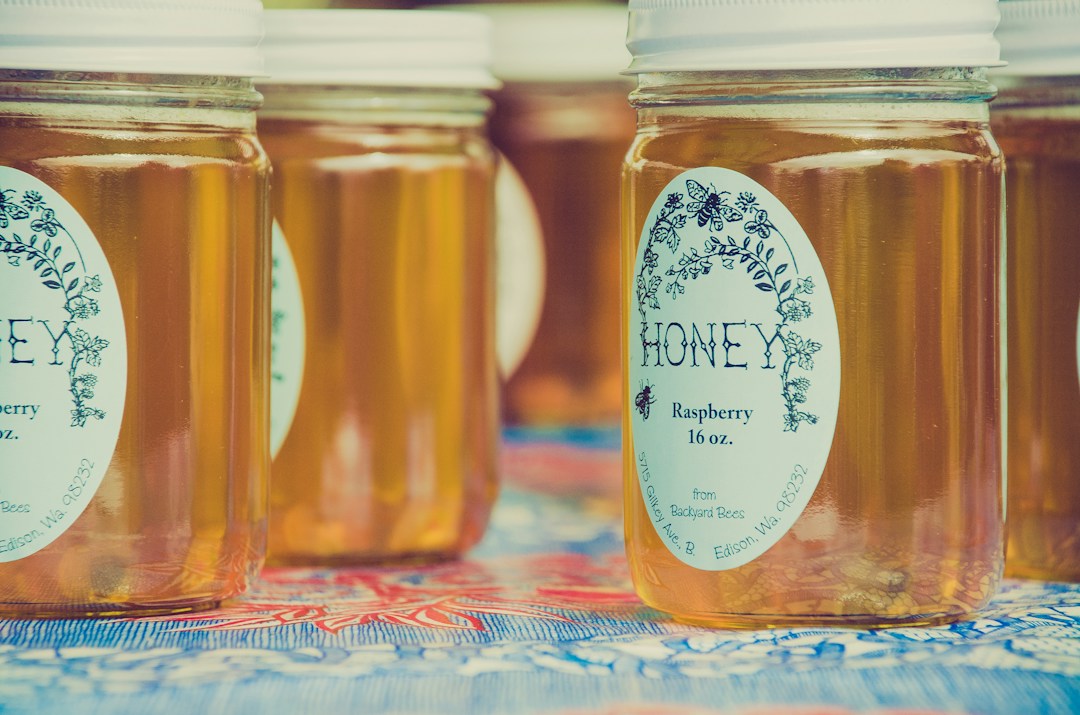
Check the product name, producer or packer, net quantity, best-before date, storage instructions, and any available information about origin. If a jar is sold as acacia honey, meadow honey, or another specific variety, the labeling should clearly identify what you are buying.
A label is not a laboratory certificate, but it is still an important starting point because it tells you what the product is supposed to be.
2. Color does not prove authenticity
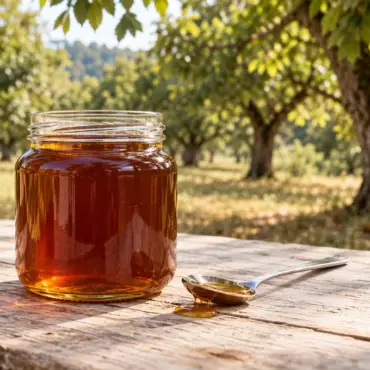
Honey can be extremely light, almost colorless, or much darker amber and brown. Many shades exist in between.
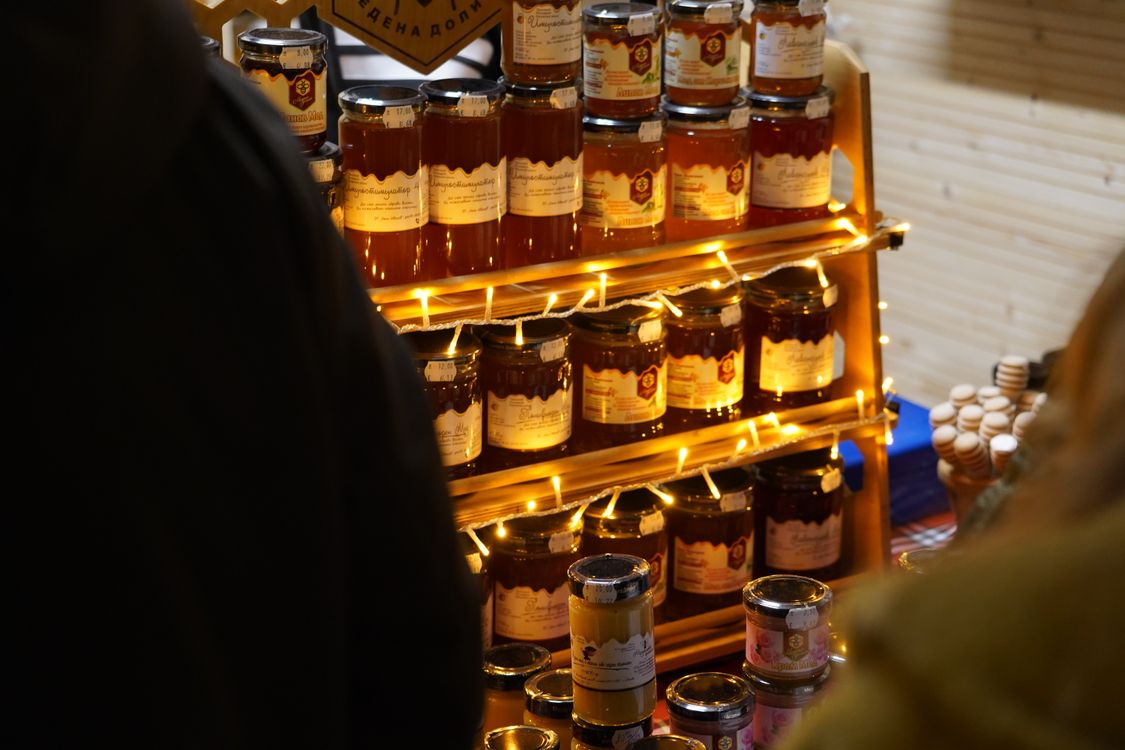
Color is influenced by floral origin and composition, so statements such as “real honey must be light” or “real honey must be dark” are not useful general rules.
3. Aroma and taste can help, but they are not proof
Experienced honey buyers may recognize varieties by aroma and flavor. Acacia honey, for example, is often mild and delicate, while meadow honey may have a stronger and more complex aroma depending on the plants in the area.
However, taste and smell alone cannot confirm authenticity or origin. They are useful sensory clues, not laboratory evidence.
4. Crystallization does not mean honey is spoiled
Crystallization is a natural physical change in many types of honey. Some varieties remain liquid for a long time, while others crystallize relatively quickly depending on their sugar composition, temperature, and storage conditions.
So crystallized honey is not automatically spoiled. If you want to learn more, see our guide on why honey crystallizes.
5. Thickness is not a reliable home test
Another common claim is that “real” honey must be very thick or must fall from a spoon in a particular way. That is not reliable. Temperature, water content, and natural composition all affect viscosity.
6. What about the water test?
A popular home test involves dropping honey into cold water and judging authenticity by how quickly it dissolves. The problem is that several physical factors influence this behavior, so the result cannot reliably prove whether honey is authentic.
7. Can the match test prove honey is real?
Another internet tip is to put honey on a match or wick and try to light it. This is not a dependable authenticity test either. Moisture and the way the test is performed can affect the result.
8. How is honey authenticity checked more reliably?
When a more reliable assessment of composition and authenticity is needed, laboratory methods are used. The European Commission has also documented coordinated work on honey authenticity and adulteration.
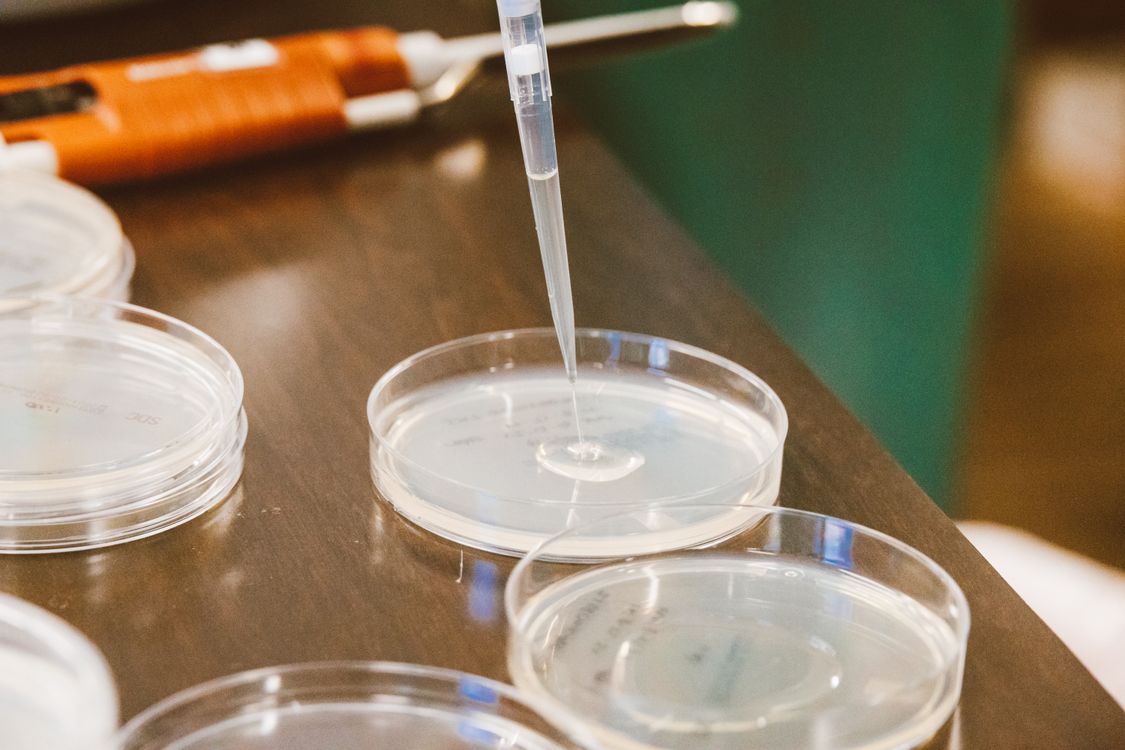
Depending on the purpose, testing may look at water content, sugar profile, selected physicochemical parameters, specific substances, and other indicators that help assess quality and authenticity. Advanced analytical methods can also help detect certain forms of adulteration.
For more information, see the European Commission page on honey controls.
9. How to choose good-quality honey
If you do not have access to a laboratory, use several practical clues together rather than relying on one trick.
Buy from a producer you trust
Knowing who produced or packed the honey makes its origin easier to follow.
Read the label
Look at the product name, producer, origin information, storage instructions, and other relevant details.
Do not judge only by color
Color varies naturally between honey types.
Do not be afraid of crystallization
Crystallization is normal for many honeys.
Use price as context, not proof
A very low price may justify extra caution, but a high price is not proof of authenticity either.
10. What to look for in acacia honey
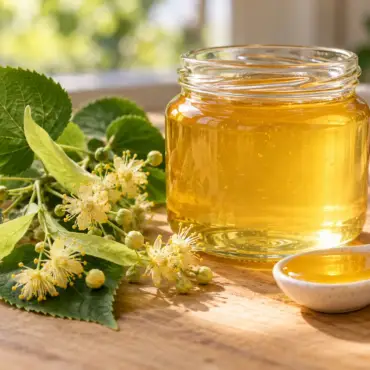
Acacia honey is often light in color, mild in flavor, and capable of remaining liquid for a relatively long time under suitable conditions. None of those features alone proves authenticity, so labeling, origin, producer information, and storage still matter.
You can also view our acacia honey product information (Serbian).
11. Does real honey have to crystallize?
No. Some authentic honeys crystallize quickly, while others can remain liquid for a long time. Crystallization should always be interpreted in the context of the honey variety and storage conditions.
12. How to store honey properly
Keep the jar tightly closed, away from direct sunlight, excessive heat, and unnecessary moisture. Use a clean, dry spoon and close the container properly after each use.
13. Common myths about real honey
“Real honey must be very thick.”
Not necessarily. Thickness depends on composition and temperature.
“If honey crystallizes, it is spoiled.”
No. Crystallization is natural for many honeys.
“If honey passes the water test, it must be real.”
No. Home tests do not reliably confirm authenticity.
“Expensive honey must be authentic.”
Price alone cannot prove composition or origin.
14. How to buy honey without guessing
Do not look for one “magic test.” Read the label, check the producer and origin, understand the normal characteristics of the variety you are buying, and treat internet tricks with caution. When reliable confirmation is necessary, laboratory analysis is the appropriate route.
Frequently asked questions
What is the easiest way to tell if honey is real?
There is no single home test that reliably proves authenticity. Start with the label, origin, and producer, and use laboratory analysis when reliable confirmation is needed.
Does crystallized honey mean it has gone bad?
No. Crystallization is a natural process in many types of honey.
Does real honey have to be thick?
No. Viscosity changes with composition and temperature.
Can color prove honey quality?
No. Color varies naturally between varieties and is not a stand-alone measure of authenticity or quality.
What is the most reliable way to assess honey authenticity?
Appropriate laboratory analysis is far more reliable than household tests.
Conclusion
Real honey cannot be identified with certainty by one glance, one spoon test, or one internet trick. Color, aroma, flavor, thickness, and crystallization can tell you something about the product, but none of them alone proves authenticity.
The best starting point is a clear label and a trustworthy producer. If you need dependable confirmation of composition and authenticity, laboratory analysis is the more appropriate method.