Table of Contents
Elderberry (Lat. Sambucus) is a genus of plants in the Viburnaceae family, which includes several species, the most well-known of which are the black elderberry (Sambucus nigra) and American elderberry (Sambucus canadensis).
Elderberry is a perennial woody plant that is widely used in our region. It originates from Europe and North America, from where it has spread all over the world. It grows in the form of a deciduous shrub or small tree. There are about 40 species of elderberries, all of which belong to the Sambucus genus. The most famous species is black elderberry Sambucus nigra L. The Latin name sambucus means harp, and nigra means black, referring to the color of its fruits. It is often called black elder, elder, elderberry, or elderwood. It is a hermaphroditic plant, meaning that both male and female reproductive parts are contained in the same flower.
Characteristics
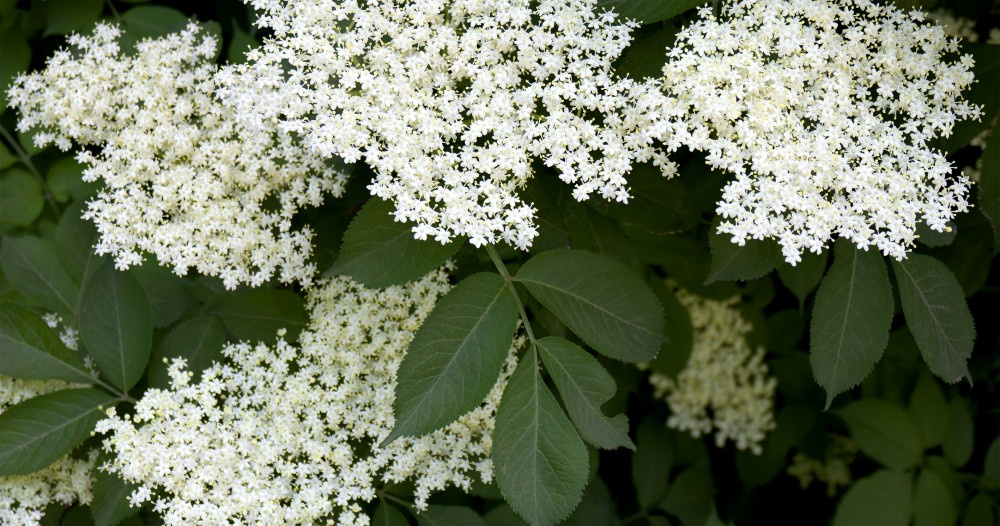
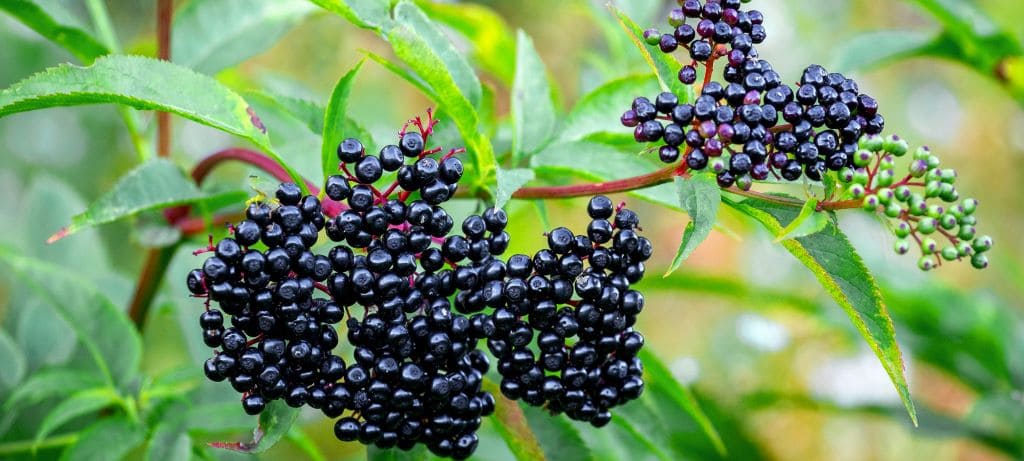
- Appearance: The wood of the elderberry is hard and yellowish-white in color. Elderberries are usually shrubs or small trees with multiple stems. Their leaves are large, often serrated, and they are characterized by an unpleasant odor when crushed. The flowers themselves are small, creamy white, five-petaled, about 6 mm in diameter, and they form in clusters. The fruits are black or dark purple, small, and ripen in late summer or fall.
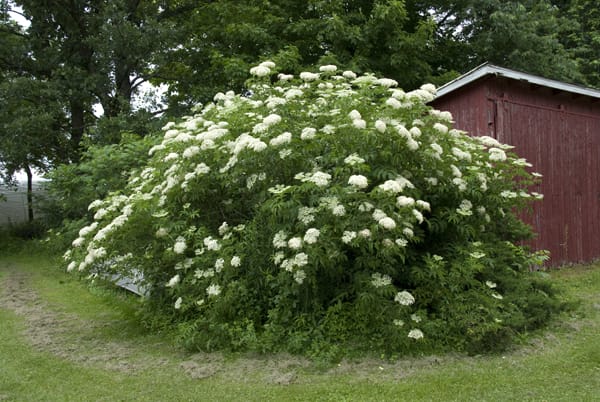
- Smell: The flowers of thih plant have a distinctive scent that can be pleasant or unpleasant, depending on the species. Their musky fragrance typically attracts butterflies.
- Fruits: The fruit of the elderberry is a black berry, which is edible only when ripe and properly cooked. Elderberries are often used in the preparation of various dishes, such as jams, syrups, wines, and pies. Although the fruits are edible, they must be well-prepared because raw fruits, as well as other parts of the plant (especially the seeds), can be toxic due to the presence of cyanogenic glycosides. However, cooking breaks them down and makes them safe to use.
Medicinal Use
Elderberry has a long tradition of use in folk medicine. Syrups and teas made from its fruits and flowers are used as natural remedies for colds, coughs, fever, and inflammation. The flowers are often used to make teas that have a calming effect, while the fruits are rich in vitamin C and antioxidants. Additionally, elderberry is used to stimulate sweating, which can help reduce temperature during fever. It is also frequently used for insect bites and skin redness.
Here are some key points about the medicinal properties of elderberry:
- Immune System Boost: This herb is highly valued for its immune-boosting properties. The flowers, especially in the form of tea, are rich in flavonoids and antioxidants that help strengthen the immune system and prevent colds and flu. Elderberry syrup is often used to treat flu symptoms, coughs, and colds.
- Relieving Cold and Flu Symptoms: Elderberry flowers act as natural diuretics and promote sweating, which can help reduce body temperature and accelerate recovery from colds and flu. Additionally, it helps alleviate coughing, eases breathing, and clears the airways.
- Anti-inflammatory Properties: Elderberry is used to alleviate various inflammations in the body, such as sinus inflammation, muscle and joint pain, as well as skin inflammation. The plant contains anti-inflammatory components that can reduce swelling and pain.
- Help with Digestive Issues: Elderberry is a mild laxative and can help alleviate constipation. It also aids in reducing bloating and gas in the stomach, as well as improving digestion.
- Detoxification of the Body: This medicinal plant acts as a natural detoxifier, promoting the elimination of harmful substances from the body, including toxins and excess fluid. This effect helps cleanse the kidneys and liver, assisting the body in removing accumulated toxins.
- Skin Support: Elderberry is also used to treat skin problems such as acne, eczema, and burns. Its juice or tea can be applied directly to the skin, where it soothes irritation, reduces redness, and helps with skin regeneration.
- Lowering Blood Pressure: Some studies suggest that elderberry may have a mild blood pressure-lowering effect due to its properties that improve circulation and the health of blood vessels.
- Antiviral and Antibacterial Properties: Elderberry fruits, particularly in syrup form, have been found effective in treating viral infections, such as the flu, and bacterial infections, such as urinary tract infections. This is due to their high content of vitamin C, anthocyanins, and other active compounds.
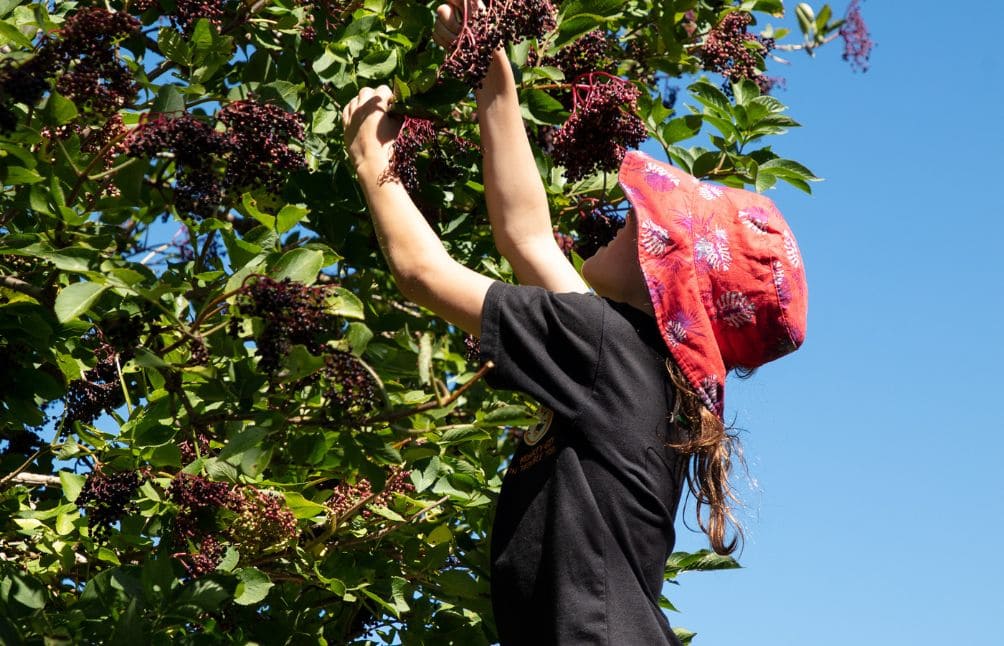
- Use of Fruits: Elderberry fruits, which are usually used after thermal processing (raw fruits can be toxic), are rich in vitamin C, flavonoids, and other nutrients. Elderberry in this form can be used to make jams, juices, or added to other beverages.
Instructions for Use
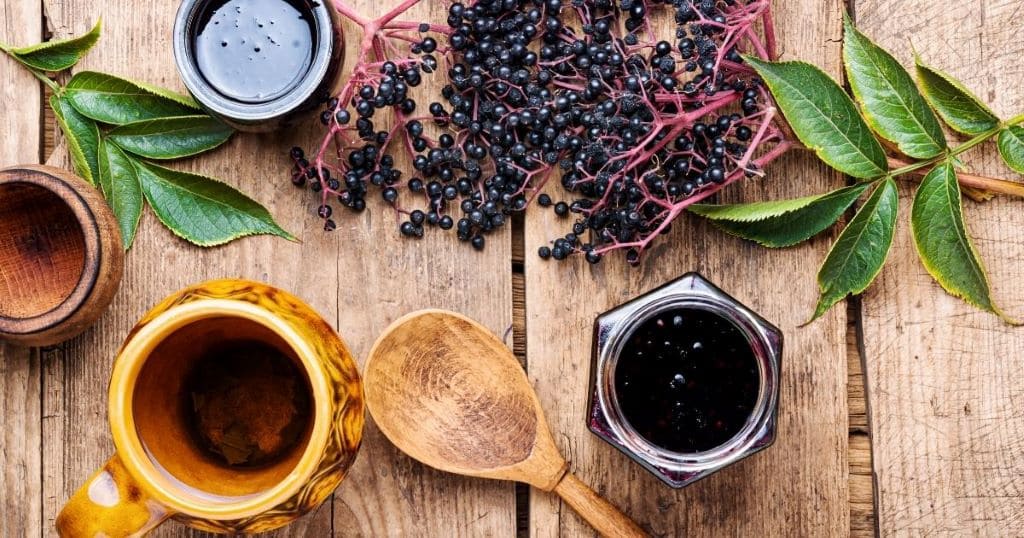
- Elderflower Tea: This tea is the most popular form of using elderberry to boost immunity, alleviate cold symptoms, and reduce inflammation.
- Elderberry Syrup: Elderberry syrup is well-known for its effectiveness in soothing coughs and colds, and it is especially useful for children.
- Tincture: Elderberry tincture is used for detoxification, improving circulation, and reducing stress.
Cultivation
Elderberry flowers during the summer, and its medicinal properties are most pronounced during this time. Elderberry is a fast-spreading and easy-to-grow plant, making it popular in gardens as an ornamental shrub or small tree. It can grow quickly through root suckers, reaching a height and width of 2.5 to 6 meters. It thrives best as a background shrub or informal hedge, with enough space for natural growth.

The advantage of elderberry is that it is resistant to various conditions but grows best in moist, fertile soils rich in organic matter, in well-drained soil, although it tolerates a wide range of soils, including heavy clay. It can be planted in partial shade or full sun, and regular pruning helps maintain the plant’s health and prevent excessive spreading. Increased fruit yield can be achieved by planting multiple varieties in the same area.
Uses and Risks
The flowers, fruits, and roots are considered medicinal.
While elderberry fruits are useful and can be very tasty when properly prepared, caution is needed as consuming raw fruits or other parts of the plant irresponsibly can lead to poisoning. Care should be taken when using elderberry in food preparation, and it is especially recommended to cook the fruits before use.
The vast majority of elderberry species are considered toxic plants. The toxic parts, primarily the unripe berries, as well as the bark, leaves, and twigs, contain toxins such as sambunigrin, prunasin, and holocalin. Symptoms of elderberry poisoning include nausea, vomiting, diarrhea, and stomach pains.
Insects, Diseases, and Other Plant Issues
Occasionally, problems with spider mites and aphids may arise. Wounds, spots on leaves, and powdery mildew can also appear. Branches are prone to breaking due to wind and snow in winter. The plants grow quickly and spread aggressively, which can make them invasive in some regions.
Interesting Facts
Elderberry is often associated with mythology and folklore. In some cultures, the plant is used as protection against evil spirits, and its fruits are considered a symbol of fertility.
Elderflower tea was very popular in the Middle Ages and was often used to treat colds and flu.
Note
Although elderberry has many benefits, it is important to note that the fruits need to be cooked as raw berries can cause nausea, vomiting, and diarrhea due to the presence of cyanide. Also, before using elderberry for therapeutic purposes, it is recommended to consult with a specialist, especially if you have existing health conditions or are taking medication.
Elderberry is undoubtedly a plant worth attention due to its numerous medicinal properties, making it useful for the natural prevention and treatment of many common health issues.