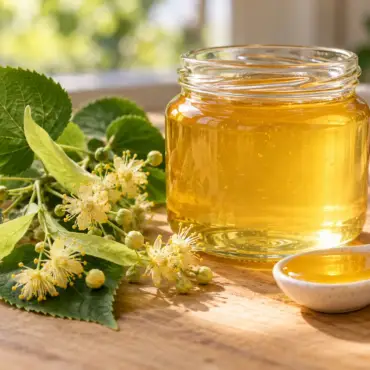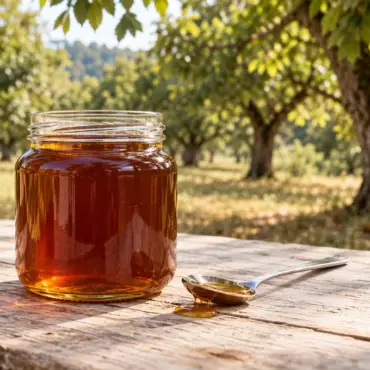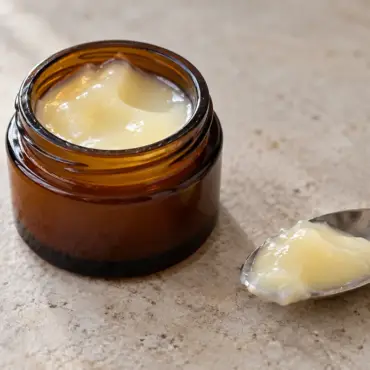
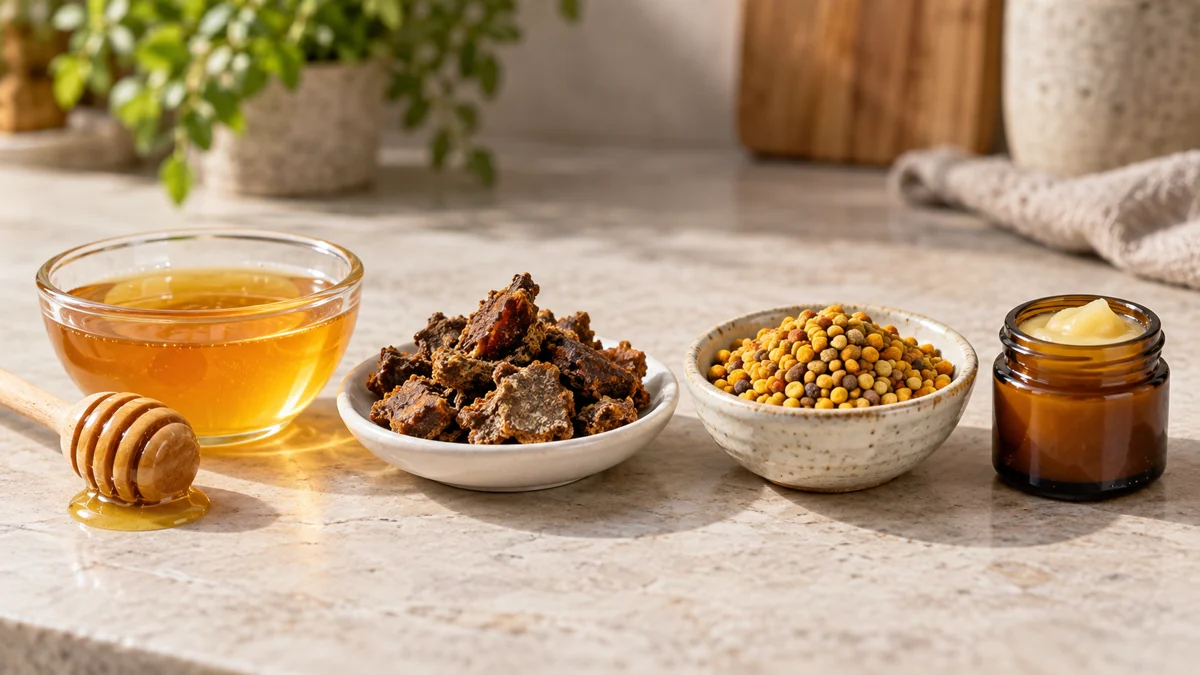
Bee products share a connection with the work of bees, but honey, propolis, bee pollen and royal jelly are different substances. A jar of honey, a bottle of propolis extract and a royal jelly capsule differ in composition, intended use and storage requirements. Package size or the word “natural” is not enough to compare them.
This guide helps you tell them apart, read their labels and choose a suitable form for your intended use. Separate guides cover each product in more detail. Here, the main question is what to check before using a product or substituting it for another.
Contents
Bee products compared at a glance
The first distinction is between what bees collect and what they produce. Honey comes from nectar or honeydew that bees process. Pollen comes from flowers, while bees collect plant resins for propolis. Royal jelly is a secretion produced by the glands of young worker bees.
| Product | Origin | Common forms sold | First question to ask |
|---|---|---|---|
| Honey | Nectar or honeydew processed by bees | Liquid or crystallized honey, comb honey | What type of honey is it, and is this pure honey or a mixture? |
| Propolis | Plant resins mixed by bees with wax and their secretions | Raw propolis, extracts, drops, sprays and skin preparations | What is this particular preparation intended for, and what else does it contain? |
| Bee pollen | Flower pollen collected by bees into pellets | Dried pellets, fresh or frozen pollen, capsules and mixtures | How was it processed, and how must it be stored? |
| Royal jelly | A secretion of young worker bees | Fresh royal jelly, freeze-dried products, capsules and mixtures | What form and quantity of royal jelly does the product contain? |
The FAO descriptions of honey, propolis, pollen and royal jelly explain their origins. Their roles in a hive do not automatically establish effects in people. Food for a queen bee, for example, is not evidence that a product extends human life.
Of these products, honey is a familiar sweetener. Its sweetness mainly comes from sugars. Pollen and royal jelly are not interchangeable substitutes for honey in a recipe, and propolis is not a sweetener. For more about honey production, read how honey is made, from flower to jar.
Why the form of a product matters
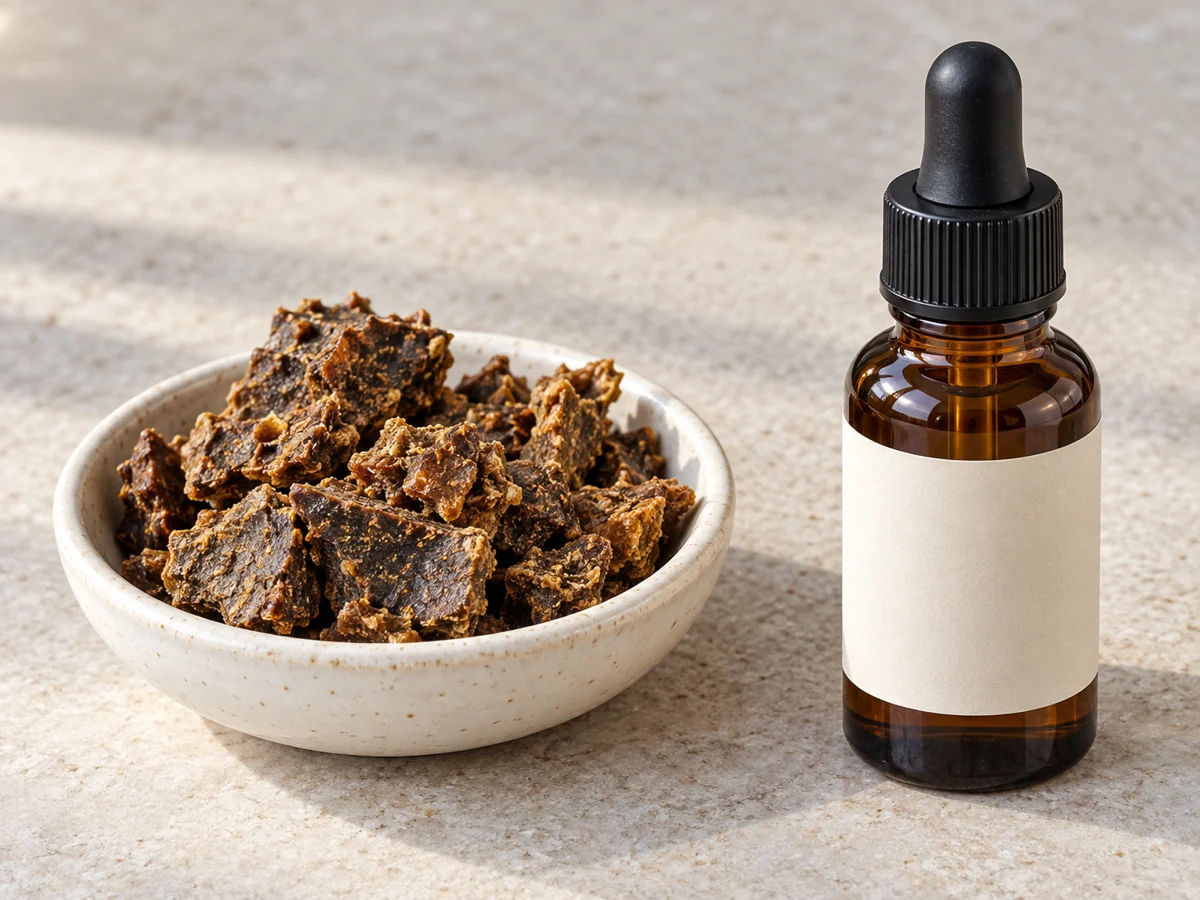
The name of a raw material does not fully describe a finished product. Pieces of raw propolis differ from an extract in a bottle: an extract has a particular formulation and may contain alcohol or other ingredients. A preparation for the skin is not automatically intended to be swallowed. Check its stated purpose instead of inferring it from the word “propolis.”
With pollen, distinguish dried pellets from fresh or frozen products. Bee bread, also called perga, is not another name for the same pellets. Our guide to bee pollen, its uses, storage and precautions explains the differences.
Fresh and freeze-dried royal jelly have different water contents. Freeze-drying removes water from frozen material, so the stated weight of a dry product should not be compared with the same weight of fresh royal jelly without reading the label’s explanation. A capsule may also contain additional ingredients.
Appearance alone is not enough to make a choice. Pollen color varies with its botanical origin, and propolis comes in different shades. A photograph cannot confirm the composition, authenticity or safety of the product you are buying.
What to check on the label
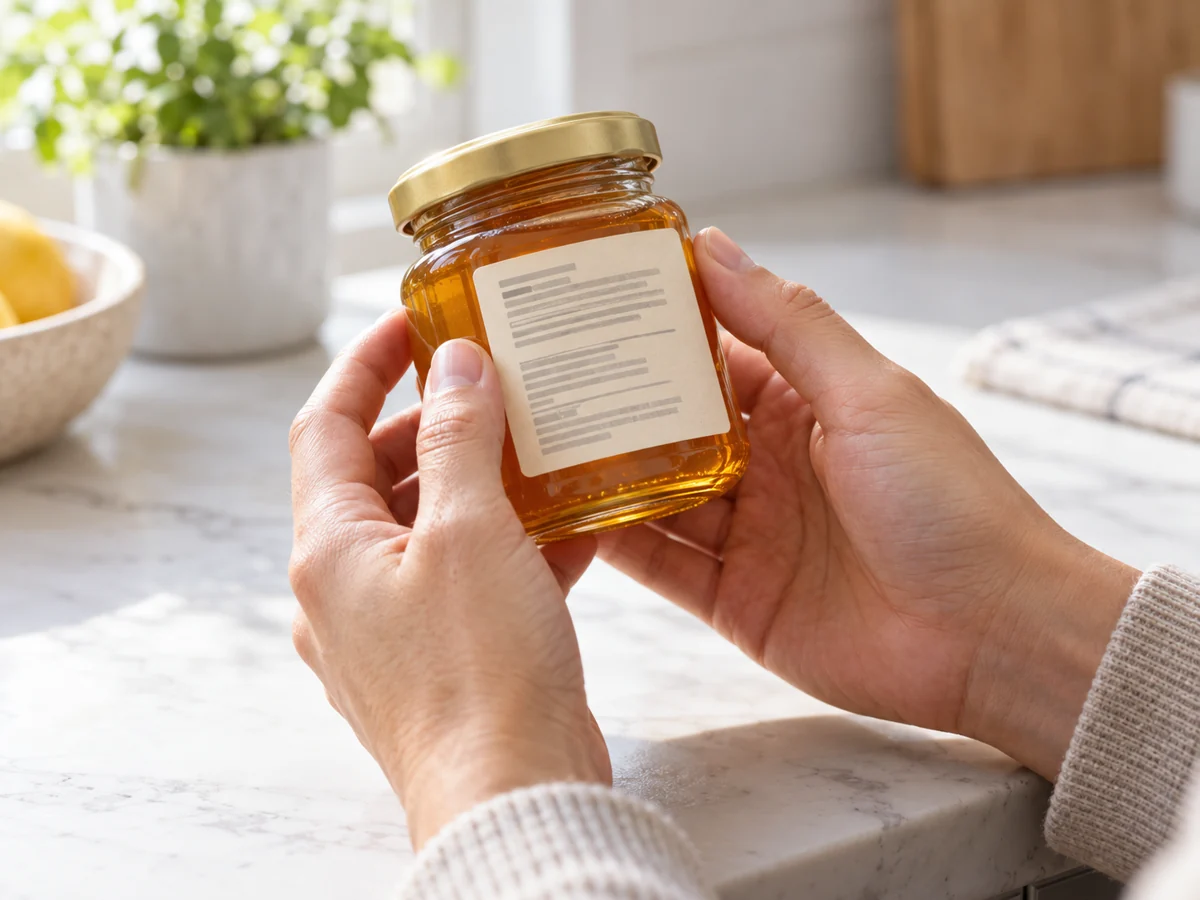
Before comparing prices, read the information on the whole package. In particular, check:
- the full name, ingredients and product form;
- the amount or proportion of an individual ingredient, where stated;
- intended use, directions and warnings;
- the producer, batch number and expiry date;
- the storage temperature and any time limit after opening.
A 30 ml bottle tells you the volume of its contents, not necessarily the amount of propolis. A quantity in milligrams on a capsule raises another question: does it refer to the entire capsule contents, the royal jelly or a stated equivalent? If this is unclear, ask the manufacturer or a pharmacist to explain.
Compare packages once you know that they contain the same type of product. A price per gram can help when comparing two jars of pollen in the same form. It does not provide a reliable comparison between pellets, an extract and a mixture with honey. The most expensive package is not proof that it will suit you best.
How to use each product according to its instructions
When adding sweetness to food, choose honey according to its flavor and the recipe. The amount still contributes to your total sugar and energy intake. Being a bee-derived sweetener does not mean that its portion can be unlimited.
For propolis, follow the instructions for the preparation. Do not transfer a number of drops from one bottle’s directions to another, or treat spray instructions as directions for raw resin. See our guide to what propolis is and how bees make it for more detail.
Pollen intended for adding to food can be served according to its manufacturer’s directions, after checking the precautions. Royal jelly requires attention to its form, quantity and storage conditions. Read royal jelly: uses, storage and precautions for the separate guide.
This comparison does not give one daily dose for all four products. A teaspoon of honey, a gram of pollen and a drop of extract are not comparable measurements. Instructions for one product do not apply to another just because both come from a hive.
If persistent tiredness, weakness or other symptoms are the reason for your purchase, first seek an explanation for their cause. Choosing a product is not a substitute for medical assessment or a reason to change prescribed treatment.
Honey mixtures: what are you actually buying?
A mixture may be convenient to serve, but it needs to be assessed as a separate product. Check all ingredients, their proportions and the directions for the whole mixture. A prominent “royal jelly” label on the front does not tell you how much is in one portion.
For example, if a label states 5% pollen by weight, 10 g of that mixture contains 0.5 g of pollen. This is an example of calculating composition, not a recommended quantity. Ten grams of a mixture is not ten grams of pure pollen.
Honey does not remove the warnings associated with an added ingredient. If pollen or royal jelly is unsuitable for you, mixing it with honey does not solve that problem. More ingredients do not establish a greater health effect either; that conclusion would require appropriate evidence for the particular formulation and intended use.
Do not assign a homemade mixture the shelf life of pure honey. When other ingredients are added, instructions for honey alone are not enough. Without a verified recipe and storage conditions, avoid making a large supply on the assumption that honey will preserve it.
Allergies and situations that need extra caution
NCCIH warns that people with pollen allergies may react to hive products, including honey, pollen, propolis and royal jelly. This does not mean that everyone will react to every product, but it is a reason to look beyond the word “natural.”
Australia’s TGA specifically highlights the possibility of serious reactions to bee pollen and royal jelly. With a known allergy, asthma or a previous reaction, do not conduct your own trial with “just a little.” Seek professional advice and show the exact package.
Before introducing supplements, speak with a doctor or pharmacist if you take medicines, are pregnant or breastfeeding, or are considering the product for a child. NCCIH notes that supplements may interact with medicines and that many have not been tested in these groups. A child’s amount cannot be determined simply by dividing an adult amount.
Do not give honey to children younger than 12 months, including adding it to food or drinks, because of the risk of botulism, according to the CDC guidance. This restriction does not mean that pollen, propolis and royal jelly automatically become suitable after a child’s first birthday.
Sudden swelling of the tongue or throat, difficulty breathing or loss of consciousness may be signs of a serious allergic reaction, as described in the NHS guide to anaphylaxis. Call your local emergency service immediately rather than waiting for the reaction to pass.
Storage and transport differ between products
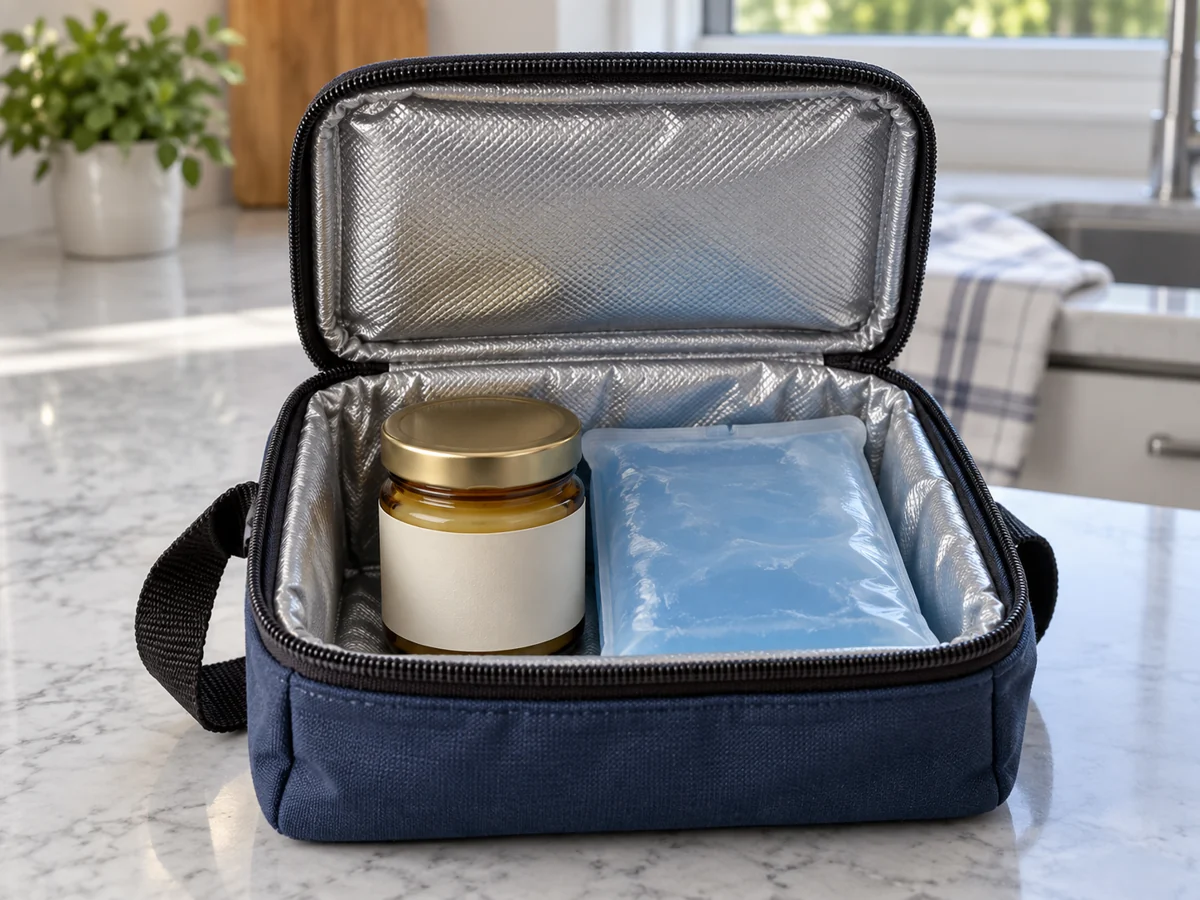
There is no single rule that everything from a hive belongs on a pantry shelf. Read the label for the particular form and for the period after opening. If a product requires refrigerated storage, check that these conditions are maintained during delivery or the journey home as well.
| Product or form | What to check in particular |
|---|---|
| Pure honey | A closed jar, protection from moisture and heat; crystallization alone is not a sign of spoilage |
| A finished propolis preparation | The formulation’s instructions, closing the bottle and any protection from light |
| Pollen | Whether it is dried, fresh or frozen; the specified temperature and time limit after opening |
| Royal jelly | Whether it is fresh, freeze-dried or part of a mixture; temperature and transport requirements |
For pure honey, our guide to whether honey expires and how to store it provides more practical detail. Do not automatically apply those conditions to a jar with added royal jelly or other ingredients.
Keep the original packaging or its information. Use clean utensils, close the package after taking a portion, and do not top up an old product with a new one in a way that loses batch and expiry information. If you do not know the transport conditions for a product that requires refrigeration, ask for an explanation. Appearance and smell alone cannot confirm that it is safe.
Frequently asked questions
Which bee product is best?
There is no single answer without a specific purpose. You can choose honey for flavor and sweetening, while other products require checking their formulation, suitability and instructions first. This comparison is not a ranking of health benefits.
Are bee pollen and propolis the same product?
No. Pollen comes from flowers and is collected by bees into pellets. Propolis is based on plant resins. Pollen pellets and propolis drops are not interchangeable.
Does a mixture of all four products have an advantage?
The number of ingredients does not establish an advantage. Check their quantities, warnings and your reason for buying the product. A mixture still requires you to assess each ingredient.
Should I use all these products every day?
This guide does not recommend that routine. Directions, your health and the intended use matter more than a habit of using all the products together.
Start with the purpose and the label
Bee products are easier to compare when you begin with four questions: what does the product contain, what form is it in, who is it intended for, and how must it be stored? Then compare prices and directions. For further reading, choose the relevant individual guide linked in this article instead of applying one product’s instructions to everything else.