Royal jelly is a bee product sold fresh, freeze-dried, or as an ingredient in capsules and honey blends. Before using it, check the product form, ingredients, directions and storage conditions. A “natural” label does not mean a product is suitable for everyone, particularly people with asthma or allergies.
This guide explains how to choose and handle the product and how to interpret health claims. Royal jelly should not replace prescribed treatment or a medical assessment of symptoms.
Contents
What royal jelly is and how bees produce it
Royal jelly is produced by young worker bees that feed the brood. It provides food for young larvae and the queen. The FAO chapter on royal jelly explains its origin and collection from queen cells during queen rearing.
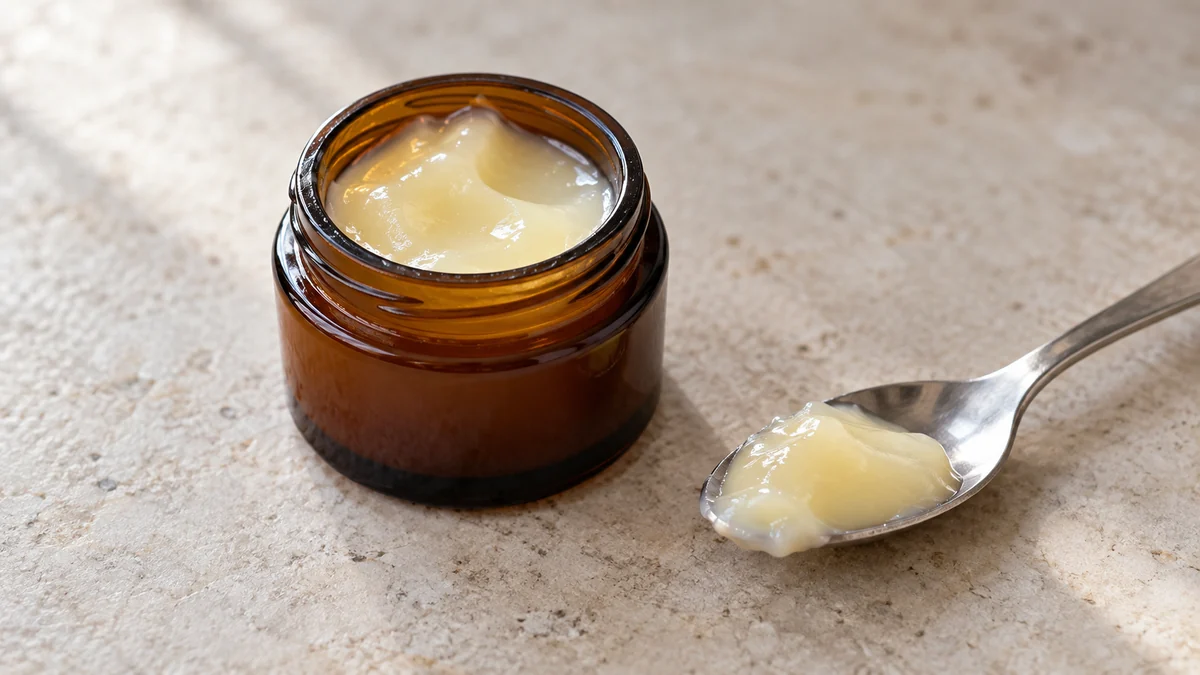
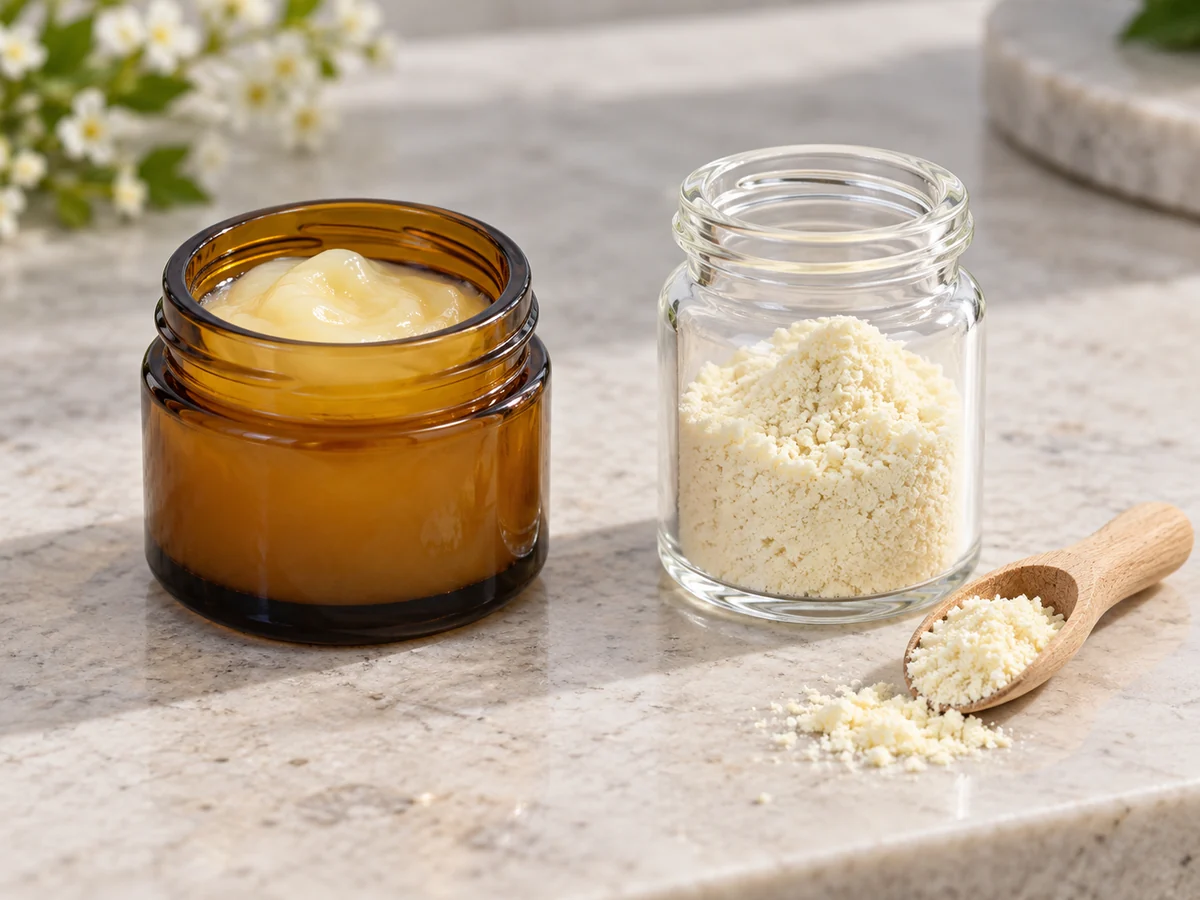
Despite its name, it is not a dairy product. Fresh royal jelly is usually pale and has a creamy, paste-like consistency. Its appearance in a photograph cannot establish the origin, purity or quality of a product you are considering buying.
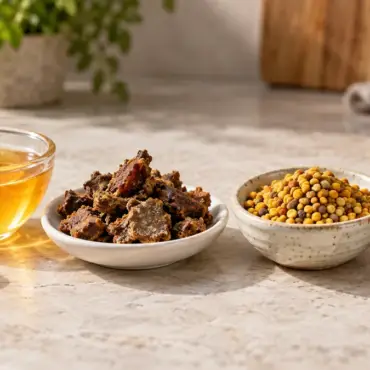
Royal jelly differs from pollen collected from flowers and from propolis. If you are comparing these products, see our guides to bee pollen and its uses and what propolis is and how bees make it. Their names and directions for use are not interchangeable.
Fresh royal jelly, freeze-dried products and capsules
The product form affects how you handle it
Fresh royal jelly and a freeze-dried product do not necessarily have the same storage requirements. Freeze-drying removes water from frozen material. A capsule may contain ingredients other than royal jelly. For a ready-made honey blend, check the proportion of royal jelly and the total serving size.
Read the number of milligrams on the front of the pack together with the explanation on the back. Does it refer to the freeze-dried material, an equivalent amount of fresh royal jelly, or the total capsule weight? If this is unclear, ask the manufacturer or a pharmacist before comparing two products.
A larger jar or a higher number in an advertisement does not by itself establish a greater benefit. Compare the same kind of measurement and the intended serving, then check whether you can maintain the storage conditions required for that particular product.
What research can tell us about health benefits
Keep study results tied to the product and participants studied
There are studies in humans, but an individual study does not provide general directions for use. A randomised study involving 61 adult volunteers tracked certain laboratory and other outcomes over six months. Its participants, preparation and measured outcomes were specifically defined.
That research does not establish that every jar or capsule will treat anaemia, diabetes, infertility or the cause of fatigue. The amount used in a study is also not automatically a recommendation for the reader. When assessing an advertisement, look for what was actually tested and in whom, rather than relying on the words “scientifically proven”.
A list of proteins, vitamins or other constituents does not by itself show how much you consume in your serving or whether your health will improve. If exhaustion, weakness or other symptoms are prompting a purchase, discuss their cause with a clinician first. A supplement should not delay that assessment.
How to use royal jelly according to the label
Check the directions before your first use
There is no single practical instruction that can be applied to every product without checking it. Follow the directions on your own pack. If you have allergies or asthma, or take medicines, first consider the precautions below. A small starting amount is not a reliable home test of safety.
Before buying or opening the product, check:
- the form and amount of royal jelly it contains;
- the other ingredients and allergy warnings;
- who it is intended for and how to measure a serving;
- the directions on frequency and duration of use;
- storage conditions before and after opening;
- the expiry date, batch identification and manufacturer details.
Do not increase the amount yourself because you have not noticed a change. If a measuring scoop is supplied, use it as directed. An ordinary kitchen teaspoon is not an accurate substitute for measuring a small amount stated in milligrams.
Claims that royal jelly must always be taken on an empty stomach or held under the tongue should not become universal rules. Check the intended method for the particular preparation. Do not devise your own course by combining directions from different packs and websites.
Royal jelly with honey: what to check in a blend
The royal jelly proportion and serving composition matter
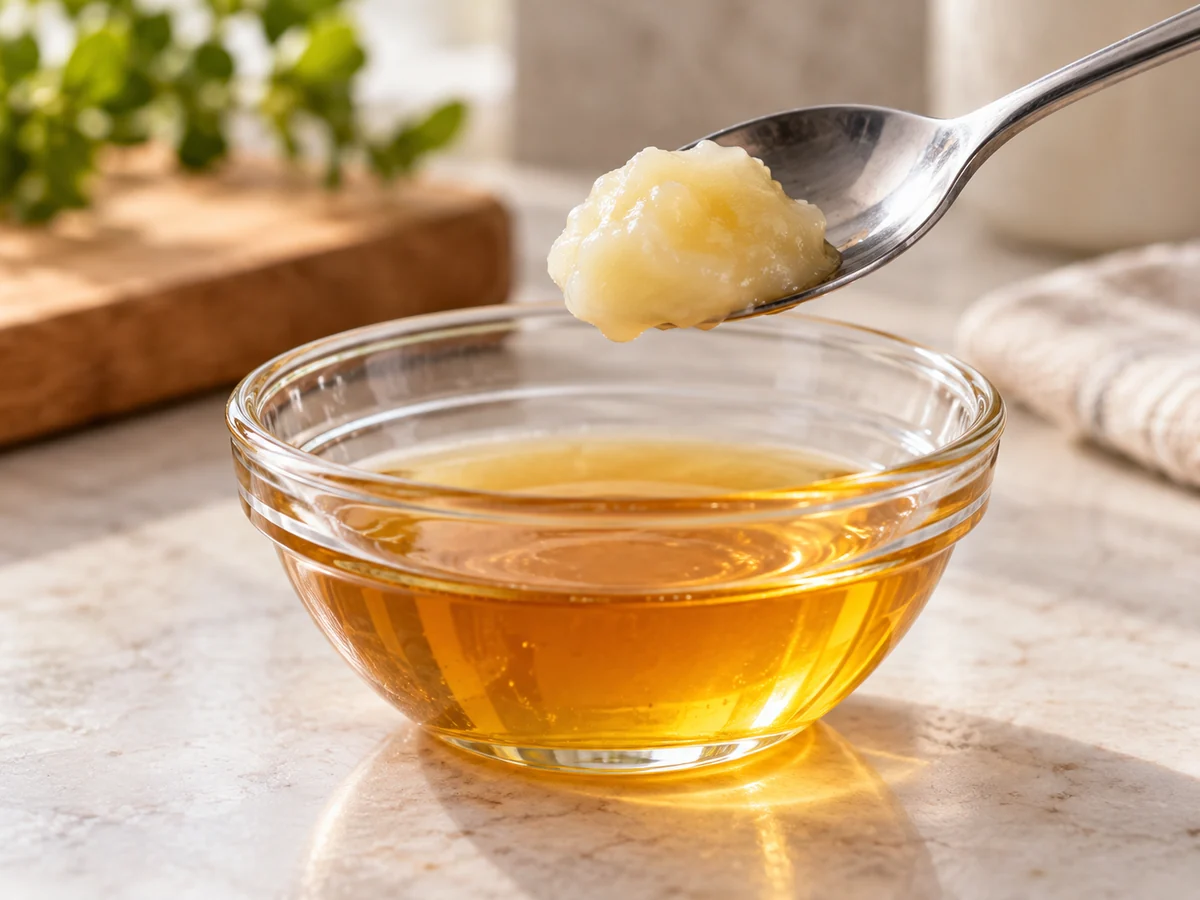
A ready-made honey blend is different from pure royal jelly. Start with the ingredient proportions. A serving weighing several grams does not mean it contains that many grams of royal jelly: most of it may be honey or another ingredient.
If you track sugar or energy intake, consider the entire serving. Read more about honey as a food in our guide to calories in honey and its nutritional values. Adding royal jelly does not provide a reason to disregard the amount of honey you consume.
Mixing it with honey does not remove allergy risks or demonstrate that it can be kept longer without refrigeration. Follow the label on a ready-made blend. For a homemade mixture, do not apply the honey jar’s expiry date to the new product or assume that an arbitrary ingredient ratio has been reliably tested.
Allergies, medicines and other precautions
Asthma and allergies need particular attention
Australia’s TGA warns about severe allergic reactions to royal jelly. It also describes the Australian warning that these products should not be taken by people with asthma or allergies. This is safety information from an Australian regulator, not a statement about the rules in every country.
If you have asthma, a known allergy to bee products or other allergies, do not start taking it on your own. NCCIH specifically cautions that people allergic to pollen may also react to bee products, including royal jelly. Tolerating ordinary honey does not establish that you will tolerate royal jelly or a new blend.
Medicines, pregnancy, breastfeeding and children
A published case report involving warfarin described an increased INR and bleeding after royal jelly was introduced. The authors considered a possible interaction. One case does not establish how often this occurs or show that everyone will react similarly, but it is a reason not to start the product independently while taking that medicine.
If you take medicines, show a clinician or pharmacist the actual pack and ingredient list. Do not reduce prescribed treatment to “make room” for a supplement. Safety during pregnancy, breastfeeding or childhood should not be assumed: NCCIH notes that most supplements have not been tested in these groups. A child’s amount cannot be determined simply by dividing an adult serving.
Signs of a severe reaction require emergency help
Stop using the product if an adverse reaction occurs and seek professional advice. Sudden swelling of the tongue or throat, difficulty breathing, severe dizziness or loss of consciousness may indicate anaphylaxis and require emergency medical help. The NHS guide to anaphylaxis describes these signs. Do not wait for another serving or a different supplement to settle the reaction.
How to store royal jelly
Check the requirements for transport as well
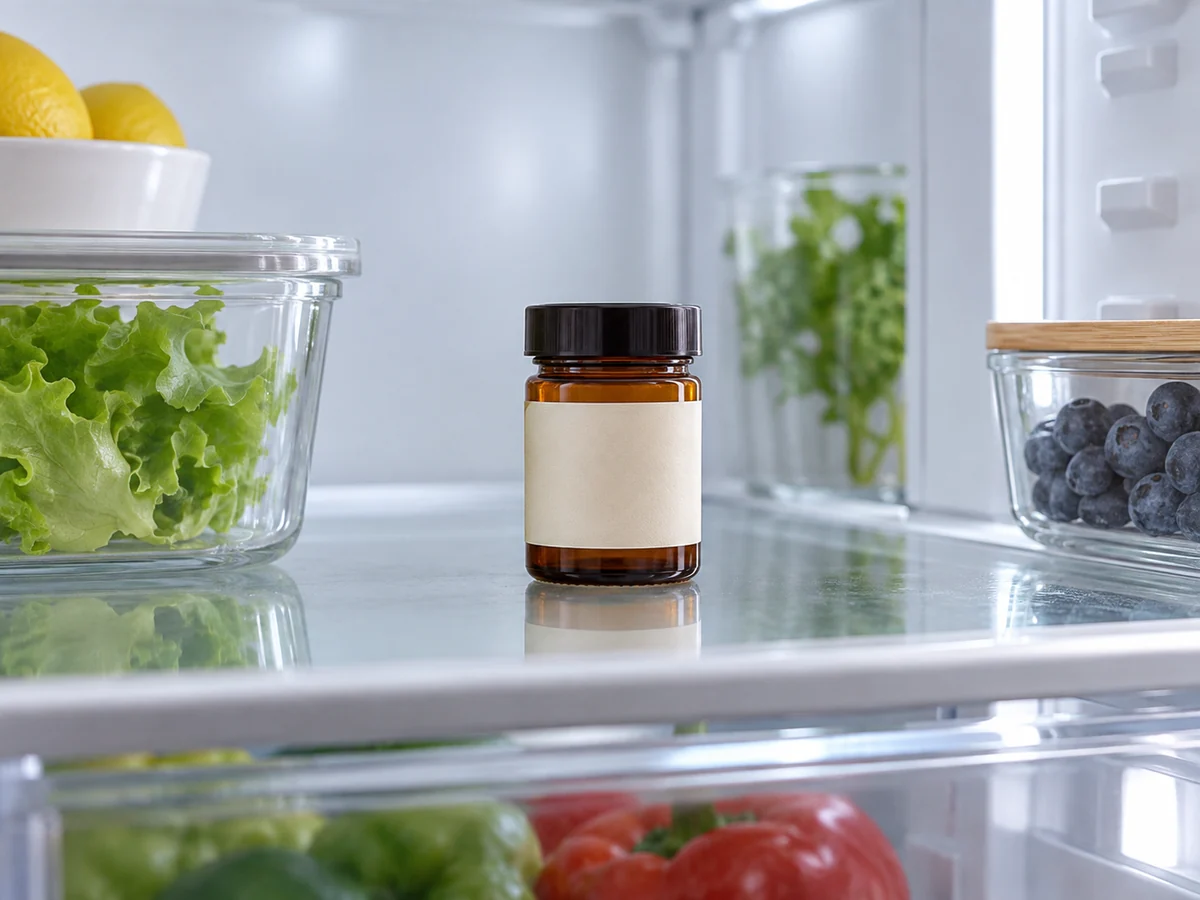
Cold storage is particularly important for fresh royal jelly. FAO describes the importance of refrigeration and changes during storage. However, use the particular product’s instructions for temperature, expiry and handling after opening. A number of months found online is not a reliable shelf life for every pack.
If the label requires cold storage, check how it will be maintained on the journey home. Do not leave the product in a hot car or beside a cooker. Store it as directed when it arrives. Check freeze-dried products and capsules separately, including their protection from moisture.
Use clean utensils, close the container and keep the original label. If you transfer the product to another container, retain its expiry date and batch details. Do not freeze and thaw a product arbitrarily when its instructions do not allow for this. If packaging is damaged or transport conditions are unclear, ask the seller before using it.
Frequently asked questions
Is royal jelly the same as bee pollen?
No. Worker bees produce royal jelly as food in the hive, whereas they collect pollen from flowers. Composition, product forms and directions differ. Do not transfer the serving or storage instructions for one product to the other.
Does every royal jelly product need refrigeration?
Check the conditions on the particular pack. Fresh royal jelly needs particular attention to cold storage, while freeze-dried products, capsules and ready-made blends may have different stated requirements. The product name alone is insufficient to decide.
Can I take it every day?
Do not begin unlimited daily use simply because it comes from bees. Follow the directions and check who the product is intended for. Medicines, allergies and other health circumstances require professional assessment before use.
Does honey remove the risk of an allergy to royal jelly?
Do not rely on that. The blend still contains royal jelly and may contain additional ingredients. Tolerating ordinary honey is not a home safety test for that product.
Start with clear information about the product
For royal jelly, establish the form, serving composition and storage conditions first. Then check the restrictions on use and your medicines. Clear labelling and realistic expectations are more useful than promises that one bee product can address every health problem.