Do not give honey to babies under 12 months because of the risk of infant botulism. After the first birthday, reaching that age does not mean a daily spoonful is needed: honey still contains sugars. When considering honey for children, age, the rest of their diet and dental care all matter.
If advice from relatives and online sources seems confusing, separate two questions: when is honey unsafe, and does a meal need it at all? Recommendations on added sugars remain restrictive for young children after 12 months. This guide explains the difference without prescribing a universal daily amount or promising that honey prevents illness.
Contents
Why honey is avoided before 12 months
According to the CDC guidance on foods and drinks for babies and young children, honey should not be added to a baby’s food, water, infant formula or pacifier. This applies even to a small taste. Wait until the child is at least 12 months old, and discuss questions about their diet with their pediatrician.
Honey can contain spores of Clostridium botulinum. Spores are a resistant form of the bacterium; in a baby’s intestines, they can develop into bacteria that produce a toxin and cause serious illness. This is different from an ordinary response to a sweet food.
Health Canada explains the risk of infant botulism and notes that spores may occur in both pasteurized and unpasteurized honey. The color, smell or local origin of a jar cannot tell you whether they are present. Assessing honey’s quality at home does not replace the age restriction.
Does cooking or baking change the rule?
Do not assume that stirring honey into a hot drink or cooking it at home makes it suitable for a baby. Health Canada explains that these spores are not easily destroyed by cooking or boiling. For a child under 12 months, prepare food without honey and check the ingredients of packaged products.
Make sure grandparents and other caregivers understand the same rule. A little honey on a pacifier or in a shared bowl of porridge still counts as giving honey. A clear agreement among adults is more useful than debating which variety might be milder.
What changes after the first birthday
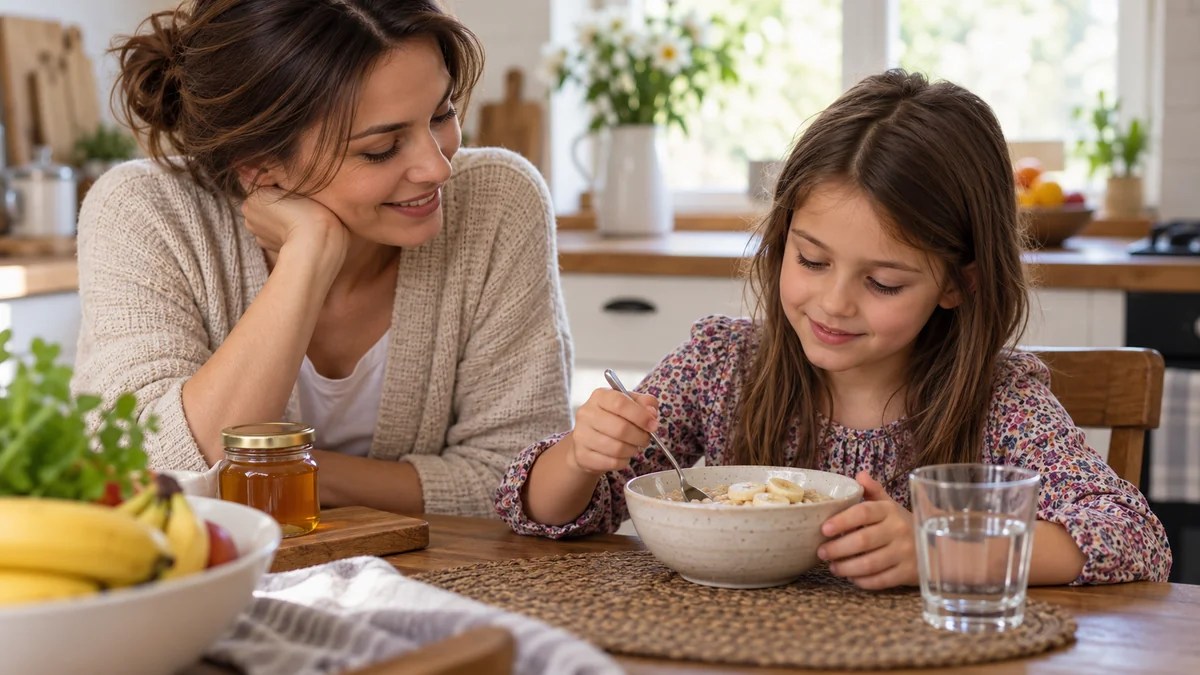
The 12-month threshold concerns the risk in babies; it does not make honey an essential food. A child does not need to start eating honey as soon as they turn one. A varied diet does not depend on making every meal sweeter.
The current CDC guidance advises against added sugars for children under 24 months. NHS advice on foods to avoid for babies and young children goes further, recommending that children aged four and younger avoid sweetened foods and drinks, including honey. These are dietary recommendations and should be distinguished from the botulism-related restriction before the first birthday.
| Age or situation | What it means in practice | What it does not mean |
|---|---|---|
| Under 12 months | Do not give honey in food, drinks or on a pacifier | Local or heated honey is not a reliable workaround |
| 12–23 months | Reaching the age threshold does not require introducing honey; the CDC advises no added sugars | A daily spoonful is not needed for development |
| Ages 2–4 | The NHS advises avoiding sweetened foods and drinks; discuss eating habits with the child’s clinician | Natural does not mean sugar-free |
| Older child | Consider the whole meal, how often sweet foods are offered and dental care | There is no identical daily amount for every child |
This table helps distinguish different questions; it is not a meal plan or individual medical advice. For a child with particular needs, agree on a plan with their healthcare team. Do not apply advice for an older child to a baby.
Honey for children: thinking about portions
There is no single useful “healthy dose” of honey that suits every child. Age, other foods, health conditions and the frequency of sweetening all change the context. Honey adds flavor; it is not an essential daily treatment.
For an older child, if honey is already used, consider where sugars appear across the day. Honey at breakfast, a sweetened drink and a sweet snack are not three unrelated exceptions. You do not need to turn every food into a calculation, but it helps to recognize a habit of sweetening almost everything.
Before reaching for the jar, ask:
- Could the child enjoy this meal without an added sweetener?
- Does the food already contain honey, sugar or syrup?
- Is honey being used for flavor, or for an unproven health effect?
- Is there a specific eating plan that should be followed?
For more about its composition, see our guide to honey calories and nutrition. A figure per 100 g is not a suggested serving for a child. Do not turn a nutrition table into a universal feeding instruction.
Checking labels and the whole meal
“With honey” on the front of a package does not tell you enough about the whole product. Read the ingredients and nutrition information, then consider the amount you actually plan to serve. The product may contain other sources of sugar too.
When preparing food at home, set aside the child’s portion before adding honey. This avoids trying to undo sweetening or making a completely separate breakfast. A baby’s portion should always be prepared without honey.
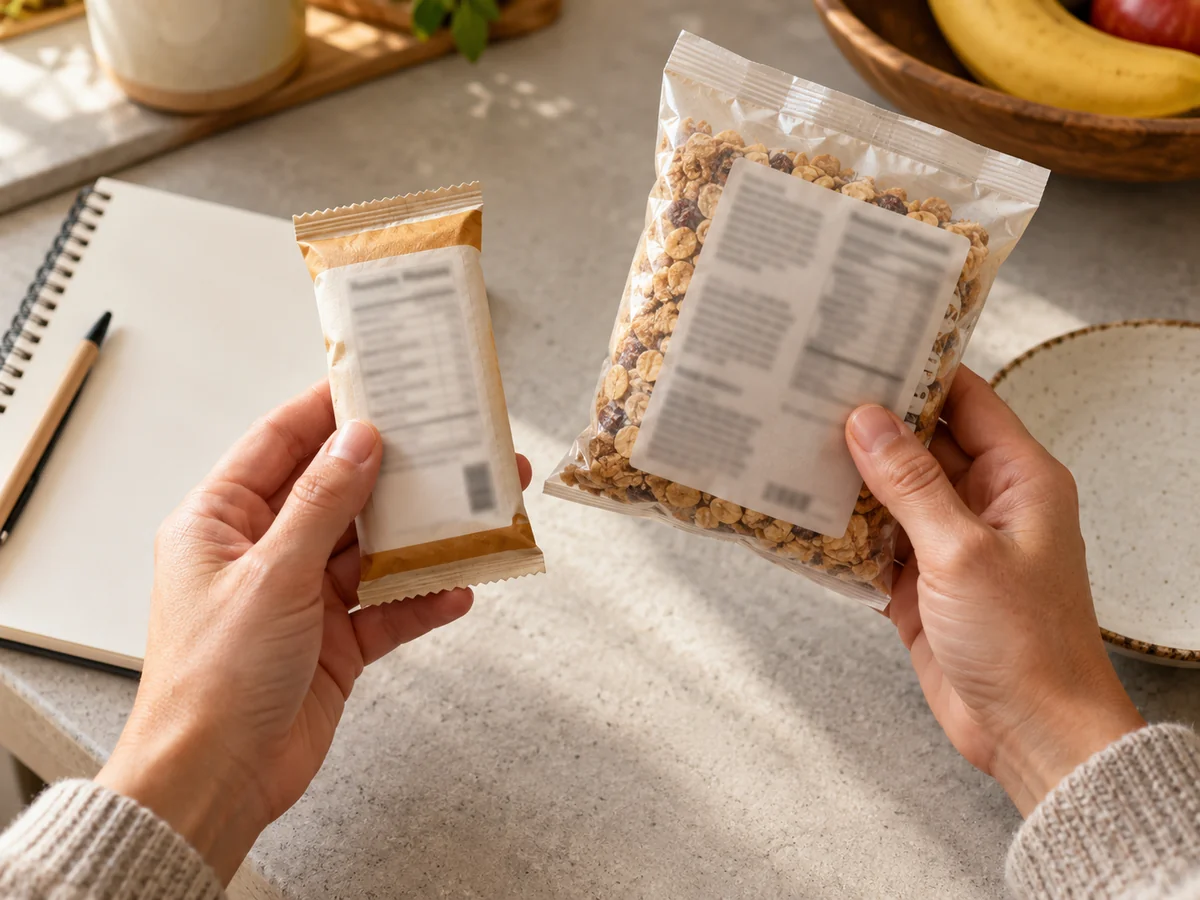
Do not judge an entire snack only by whether white sugar has been replaced with honey. Our honey instead of sugar guide explains differences in use, but the swap does not remove sugars from food. The whole meal and eating habits matter more than the sweetener’s name.
Acacia, wildflower or honey marketed for children?
Labels such as natural or raw, and the name of a floral source, do not change the restriction before 12 months or make honey sugar-free. Do not choose a variety because of promises that it boosts immunity or treats a child. Our acacia honey guide covers flavor and use rather than a special medical purpose for children.
Honey with propolis, pollen or other added ingredients is different from plain honey. Check the full composition and who the product is intended for; guidance for one food does not automatically apply to a blend. Discuss such choices with the pediatrician if the child has allergies or particular health needs.
Can honey help with a cough?
Advice about relieving a cough is different from advice about an everyday diet. The American Academy of Pediatrics’ HealthyChildren guidance discusses honey for coughing in children aged one and older. Honey should not be given for a cough to a baby under 12 months.
Possible symptom relief does not mean honey treats the cause of an infection or replaces medical assessment. Advice for an acute cough should not become a daily honey routine “just in case.” For a fuller discussion of the evidence, read our honey for a cough guide.
If a child struggles to breathe, cannot swallow or appears seriously unwell, do not wait for a home remedy to help. Seek urgent medical assistance. Discuss a persistent or worsening cough with the child’s pediatrician to assess the cause and next steps.
Honey, sweet drinks and dental care
Honey is a source of sugars, so being natural does not protect against tooth decay. NHS guidance connects avoiding honey and sweetened drinks with dental care. Pay particular attention to a habit of sipping a sweetened drink throughout the day.
For an older child’s thirst, offer water rather than routinely sweetening every drink. Using honey in a particular situation does not mean a child should carry a sweetened drink around all day. Discuss other sources of sugars and the brushing routine with the dentist.
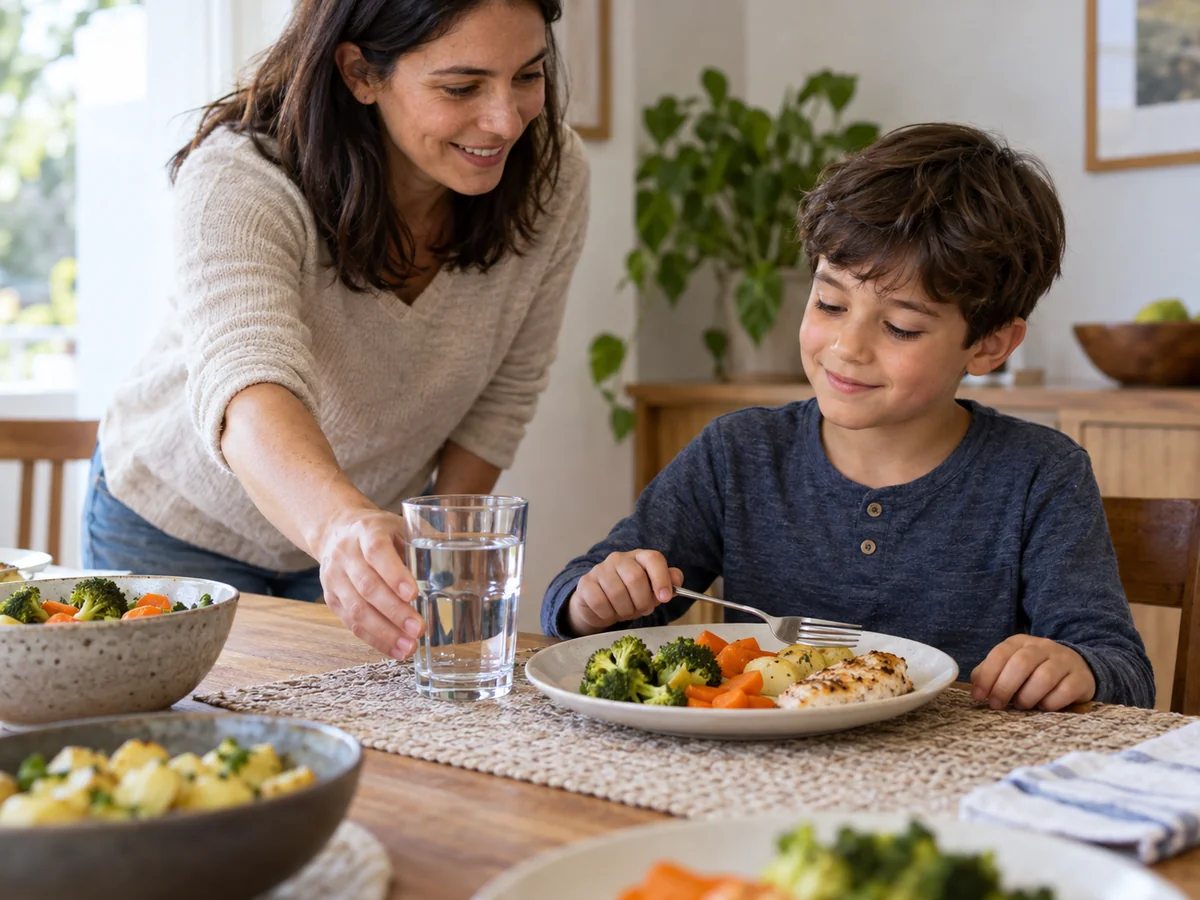
The NHS guide to children’s teeth recommends brushing with fluoride toothpaste twice daily, including before bed. The amount of toothpaste and help from an adult should suit the child’s age. A dentist can demonstrate the technique and explain suitable toothpaste choices.
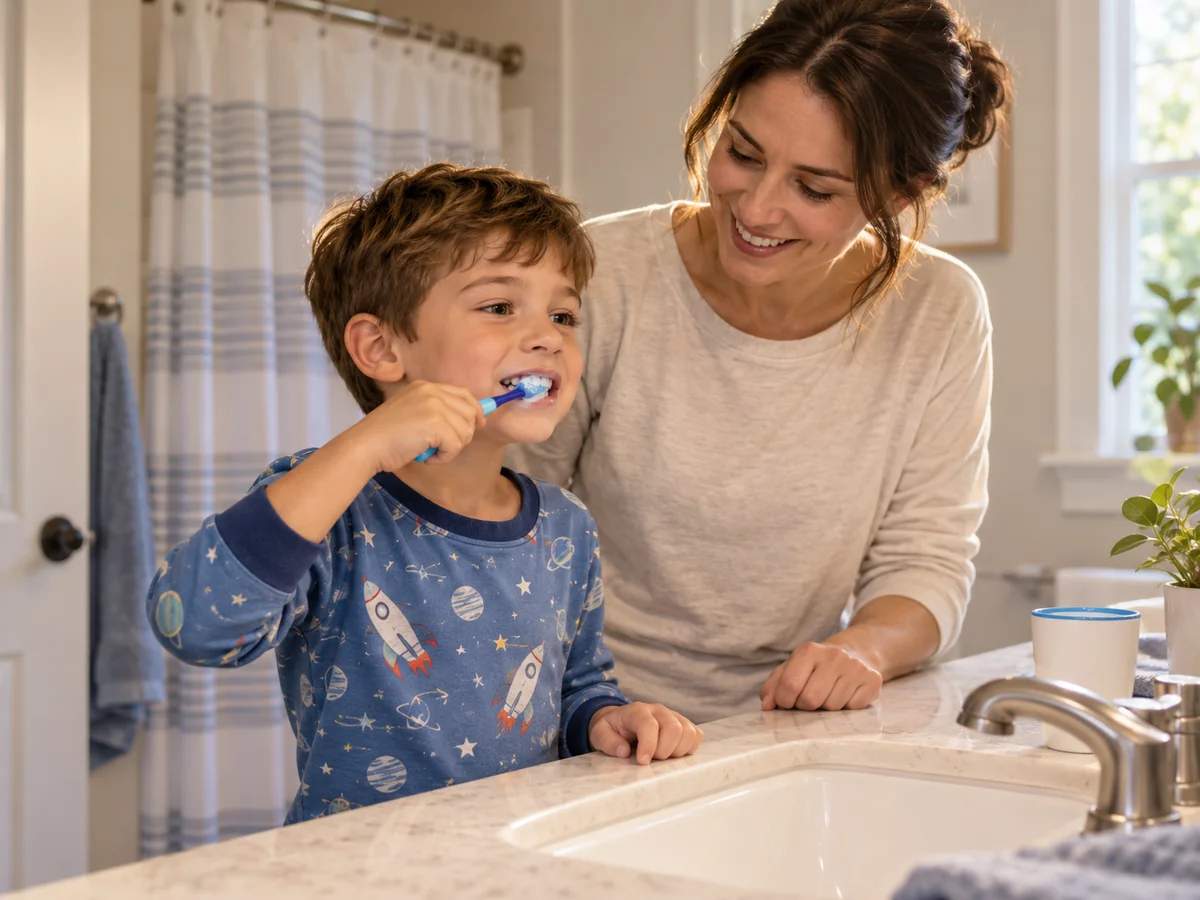
Honey does not replace toothbrushing. Do not make a spoonful after brushing into a dental-care ritual. If honey is used for a cough near bedtime, ask how to fit it into the evening routine rather than skipping oral hygiene.
When to contact a pediatrician
If a baby under 12 months accidentally receives honey, do not give more or try to reverse the meal with a home remedy. Contact the pediatrician for advice about the specific event. Eating honey does not automatically mean illness has developed, but an article cannot assess an individual baby’s risk.
Health Canada advises contacting a doctor immediately if a baby shows weakness, poor sucking or crying, or difficulty swallowing or breathing. Such changes need professional assessment rather than waiting for them to settle. Difficulty breathing or swallowing calls for urgent help.
NHS guidance explains food-allergy symptoms, including a rash, swelling and digestive symptoms. If you notice a reaction after food, stop offering it and seek medical advice. Swelling of the tongue or throat and breathing problems require emergency assistance.
Do not reintroduce a suspected food as a home test if the child has already reacted to it. Show the pediatrician the product’s ingredients and describe what happened. If a child has diabetes or another specific eating plan, do not decide their honey portion using advice intended for a different family.
Frequently asked questions
Can a ten-month-old baby have a little honey?
No. Honey should not be given before 12 months, whether on a pacifier or added to food or drinks. A small amount does not remove the age restriction.
Can pasteurized honey be introduced earlier?
No. Health Canada notes that spores may be present in both pasteurized and unpasteurized honey. Do not rely on heating it at home to make it suitable for a baby.
Should children have honey daily after turning one?
There is no such requirement. Advice about added sugars remains restrictive for young children, and honey is not essential for a complete diet. Cough advice is not a daily recommendation to sweeten food.
Which honey is best for a child's immunity?
A honey variety should not be chosen as an immunity treatment. Flavor and origin do not prove that a particular jar prevents illness. Discuss diet and health concerns with the pediatrician.
Consider age first, then everyday habits
Honey for children needs a clear boundary before 12 months and a thoughtful approach to sweetening afterward. There is no need to rush its introduction or make a spoonful a daily obligation. Varied meals, water and regular dental care help avoid habits introduced simply because honey sounds healthier than sugar.