Chapped lips usually need gentle protective care and a break from habits that irritate them. A lip balm you tolerate, shelter from wind, and avoiding lip licking are often a more useful starting point than switching between homemade mixtures.
Honey from a kitchen jar is different from a lip balm or a medical wound-care product. This guide explains those differences and the signs that dryness needs more than everyday care.
Contents
Why lips become dry and chapped
Tightness, flaking, and small cracks can occur at any time of year. Cold weather and dry air are common triggers, but they are not the only possible causes.
Cleveland Clinic explains that lips are more sensitive than the surrounding skin and lack the oil glands that help keep skin lubricated. Sun exposure, frequent licking, and some products can therefore contribute to dryness.
Consider changes in your routine
Think about whether the discomfort began after a new lipstick, lip balm, or toothpaste. If symptoms repeatedly worsen after using a particular product, that detail may help a clinician identify the cause.
Dryness alone cannot tell you whether weather, irritation, or an allergy is responsible. The appearance of your lips is also not enough to diagnose a vitamin deficiency yourself.
Choosing a balm for chapped lips
Start with a product intended for lips, without fragrance or ingredients that cause discomfort. A pharmacist can help you choose, especially if you have reacted to cosmetics before.
For very dry lips, the American Academy of Dermatology lists white petroleum jelly as an option. A “natural” label alone does not tell you how your skin will tolerate the complete formula.
What you need for a simple routine
- Your own lip balm or ointment that you tolerate well;
- A sun-protective lip product for time outdoors;
- Clean hands before applying it;
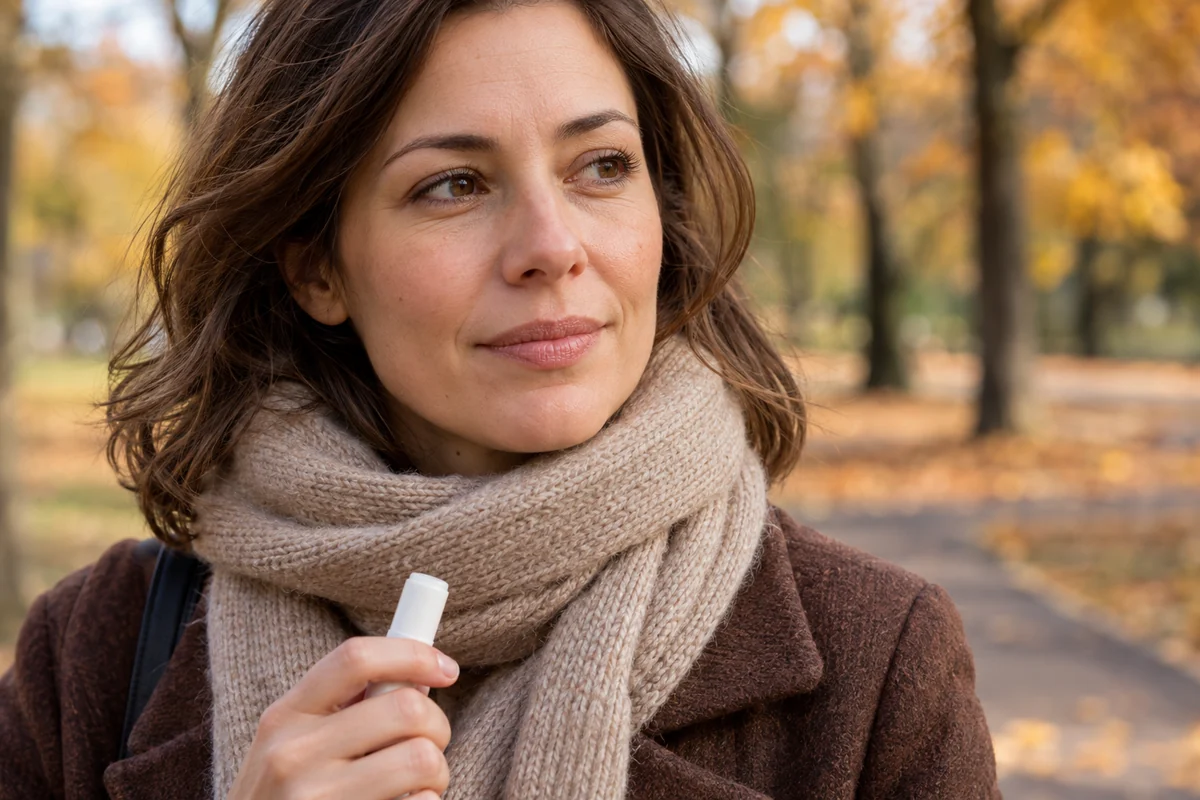
- A scarf for protection in cold, windy weather.
The NHS advises against sharing lip balm with other people. Keep the cap on when you are not using it, including when carrying it in a bag.
Honey, beeswax, and propolis: different roles
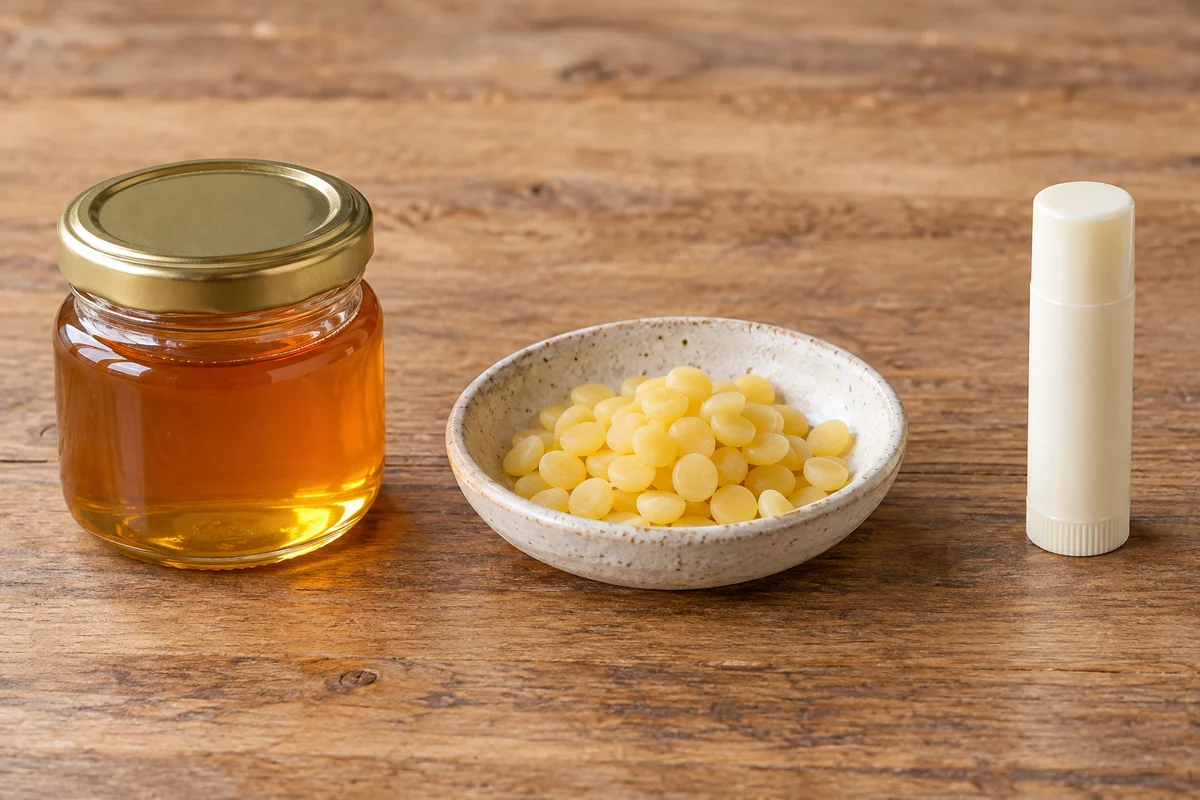
These three bee products serve different purposes. Their shared origin does not make them interchangeable.
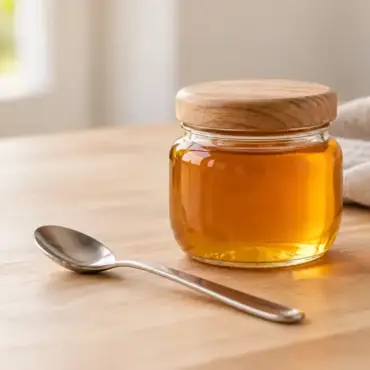
Kitchen honey is different from medical-grade honey
DermNet describes honey used for wound care as sterilised and laboratory tested. Evidence about that use does not establish that food-grade honey will treat chapped lips.
This is why we do not offer a recipe for coating cracked lips with honey or promise healing. For a broader discussion of cosmetic ingredients and homemade masks, see our guide to honey for the face.
Beeswax in balm and propolis are different ingredients
Beeswax is used in cosmetic formulations, while propolis can cause contact allergy. DermNet notes that a propolis reaction can affect the lips, and occasional reactions to beeswax may be linked to traces of propolis.
This does not mean that every beeswax balm is a poor choice. If you have a known propolis allergy or have reacted to a similar product, ask for help choosing lip care rather than experimenting with new mixtures.
You can also read our separate guides to beeswax and propolis. They explain the products; they do not establish them as treatments for sore lips.
Mistakes that can prolong discomfort
When lips sting, a cooling product or a strong “medicinal” scent can seem appealing. Discomfort, however, is not evidence that a product is working better.
| Habit or situation | A more sensible next step |
|---|---|
| Your balm burns or stings | Stop using it and ask a pharmacist about a suitable alternative. |
| You keep licking your lips | Work on breaking the habit; saliva does not provide lasting protection. |
| You pick off flakes with fingers or teeth | Leave them alone and apply lip care without rubbing. |
| You add honey, lemon, and a scrub at the same time | Simplify your routine; more ingredients do not guarantee better care. |
| You choose a product only because it says “natural” | Read the ingredients and consider any previous reactions. |
Avoiding friction also means a sugar scrub is not a useful first step while your lips are irritated. When there is a crack, trying to force the surface smooth can add further irritation.
A simple daytime and bedtime routine
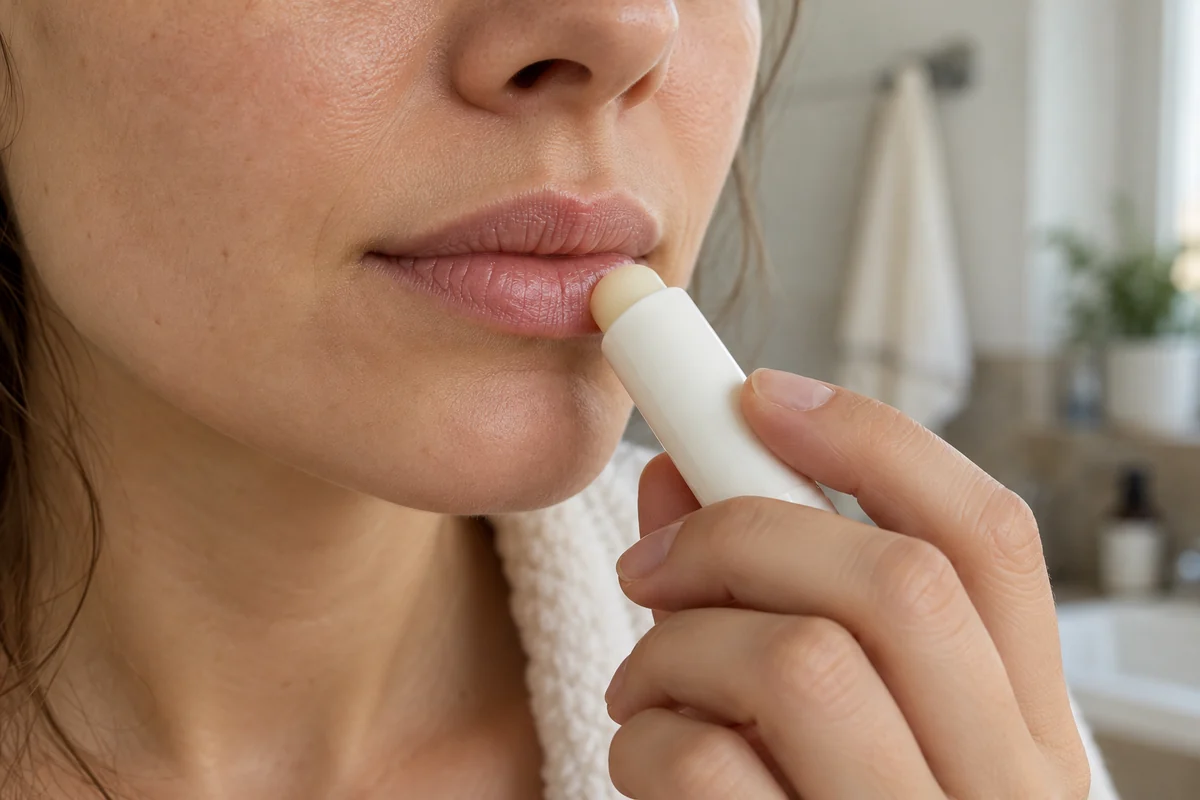
Apply a suitable balm or ointment when your lips feel dry, including after eating or drinking. Cleveland Clinic also recommends care before bed, rather than waiting until your lips become painful.
Sun protection matters outdoors
For time outdoors, choose a non-irritating lip balm with SPF 30 or higher, as recommended by the AAD. Follow the label and reapply about every two hours outdoors; an ordinary balm without a stated SPF does not offer equivalent sun protection.
When bedroom air is dry
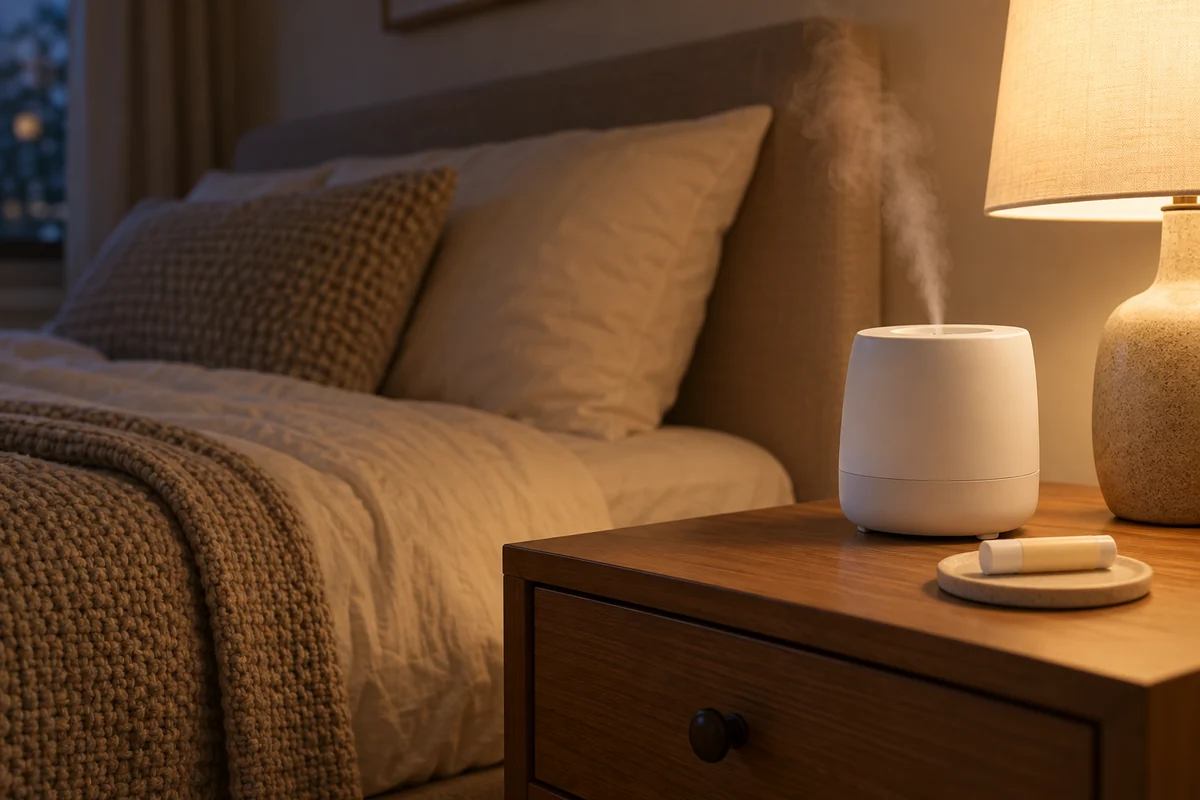
A humidifier may help in a dry room, especially if you breathe through your mouth at night. It does not replace checking the cause of persistent symptoms, and you should follow the device instructions for use and cleaning.
Keep the routine practical: put your own balm near your toothbrush as a morning and evening reminder, and keep another handy for going out. There is no need to introduce five different products on the same day.
When to seek medical advice
If gentle care has not helped after two to three weeks, arrange a dermatology appointment. That timeframe comes from AAD guidance; it is not a reason to wait if symptoms are getting worse.
The NHS advises medical assessment for lips that feel hot, painful, and swollen. Frequent bleeding or persistent symptoms also call for checking the cause rather than continuing to try homemade products.
If you suspect an allergy
Redness, itching, flaking, and cracks can occur with allergic contact cheilitis, an allergic inflammation of the lips. Possible triggers include cosmetics, fragrances and flavourings, toothpaste, and other products that touch the mouth.
Keep the packaging and a list of the products you use. A dermatologist may arrange patch testing, which checks for contact allergens on the skin; experimenting at home is not a substitute for that assessment.
Common questions about lip care
Is every beeswax balm a bad choice?
No. The NHS includes beeswax-containing balms among the options, but your tolerance of the complete formula and your allergy history matter. If you have a known propolis allergy, discuss suitable products with a professional.
Should you start taking vitamins straight away?
Dry lips alone do not establish a vitamin deficiency. If a clinician suspects a nutritional or other health problem, they can decide which checks are appropriate.
Why does a balm that used to suit you now cause discomfort?
A reaction may involve an ingredient or another cause of inflammation. The product name alone cannot identify the cause; if symptoms recur, bring the product to your appointment.
Fewer experiments, more consistent care
For everyday care, choose a product you tolerate and notice the habits and conditions associated with dryness. Treat honey, beeswax, and propolis as different substances, and seek advice for persistent symptoms rather than continually adding ingredients.