Table of Contents
Americans consume only half of their recommended daily fiber intake of 25-30 grams. This makes eating the right fruits and vegetables more significant than ever to maintain optimal health.
Every fruit and vegetable benefits your health, but some varieties deliver exceptional nutrition. A single cup of kale packs 684% of your daily vitamin K needs. One avocado gives you 22 grams of healthy fats and 10 grams of fiber.
These power-packed foods help reduce chronic disease risks and support your memory and vision health. This piece explores the top 10 fruits and vegetables that are a great way to get health benefits. You’ll also find practical tips to add these foods to your daily meals. Here is a list of fruits and vegetables that are good for your health.
Blueberries: The Brain-Boosting Superfruit
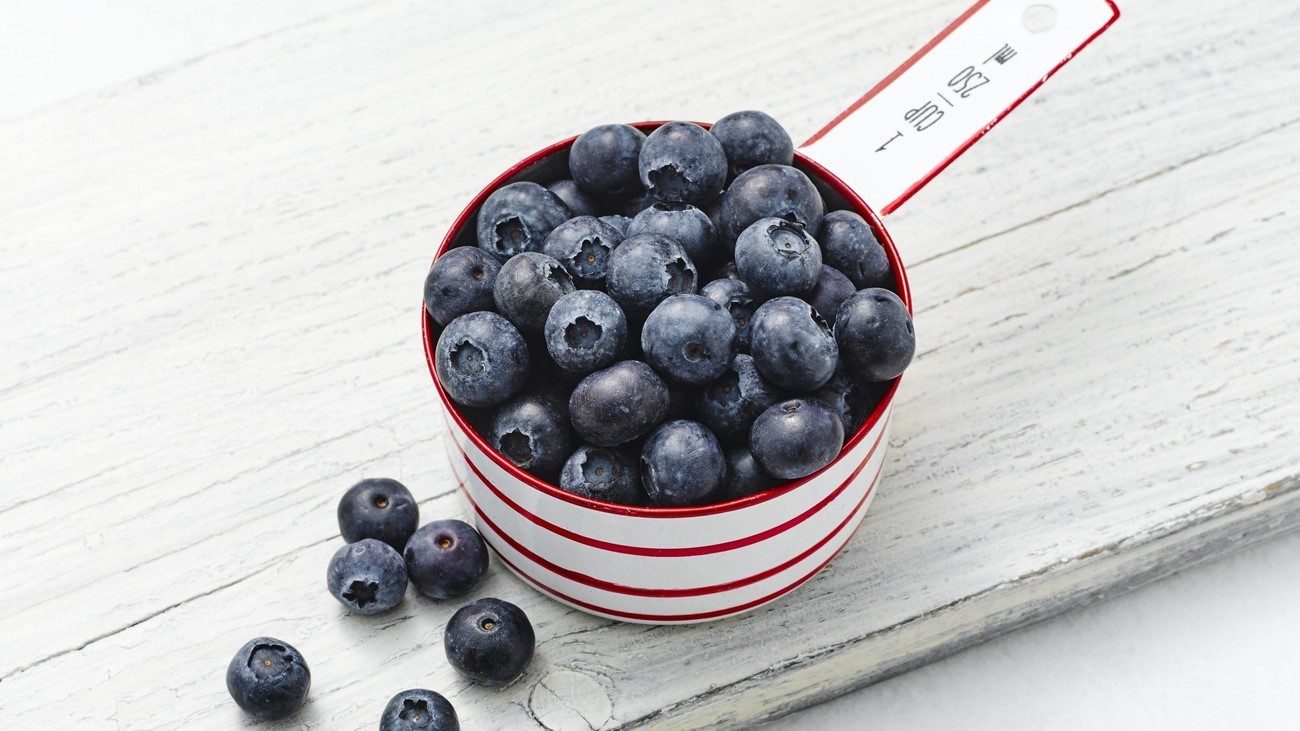
Image Source: Health Professionals – Blueberry Council
Studies show that this fruit is a standout brain-boosters among healthy fruits and vegetables. Research proves eating 250g of blueberries daily for 6 weeks leads to promising results. The benefits of this fruit include higher natural killer cell counts and lower oxidative stress.
Blueberry Nutritional Profile and Benefits
A cup (150g) of blueberries packs these nutrients:
- Fiber: 13% of Daily Value
- Vitamin C: 14% of Daily Value
- Vitamin K: 24% of Daily Value
Blueberries pack anthocyanins – powerful compounds that create their blue color. Studies show older adults who drink blueberry juice regularly see substantial increases in brain activity and better memory
Best Ways to Consume Blueberries
Research shows 26g of freeze-dried blueberry powder equals 178g of fresh blueberries and improves cognitive function. You can enjoy blueberries in many ways:
- Fresh or frozen in smoothies
- Added to yogurt or cereal
- Blended into juices
- Mixed into baked goods
Seasonal Availability and Storage Tips
You can find fresh blueberries throughout the year. North American harvests run from April to September, and South American imports take over from November to March. The berries stay freshest in your refrigerator’s main compartment instead of the crisper drawer. They’ll keep their peak flavor up to two weeks this way.
These berries freeze well too. Just flash-freeze them on a rimmed baking sheet for 30 minutes, then move them to freezer containers. They’ll stay good for up to 10 months.
Studies show that this fruit is a standout brain-boosters among healthy fruits and vegetables. Research proves eating 250g of blueberries daily for 6 weeks leads to promising results. The benefits of this fruit include higher natural killer cell counts and lower oxidative stress.
Kale: The Nutrient-Dense Powerhouse
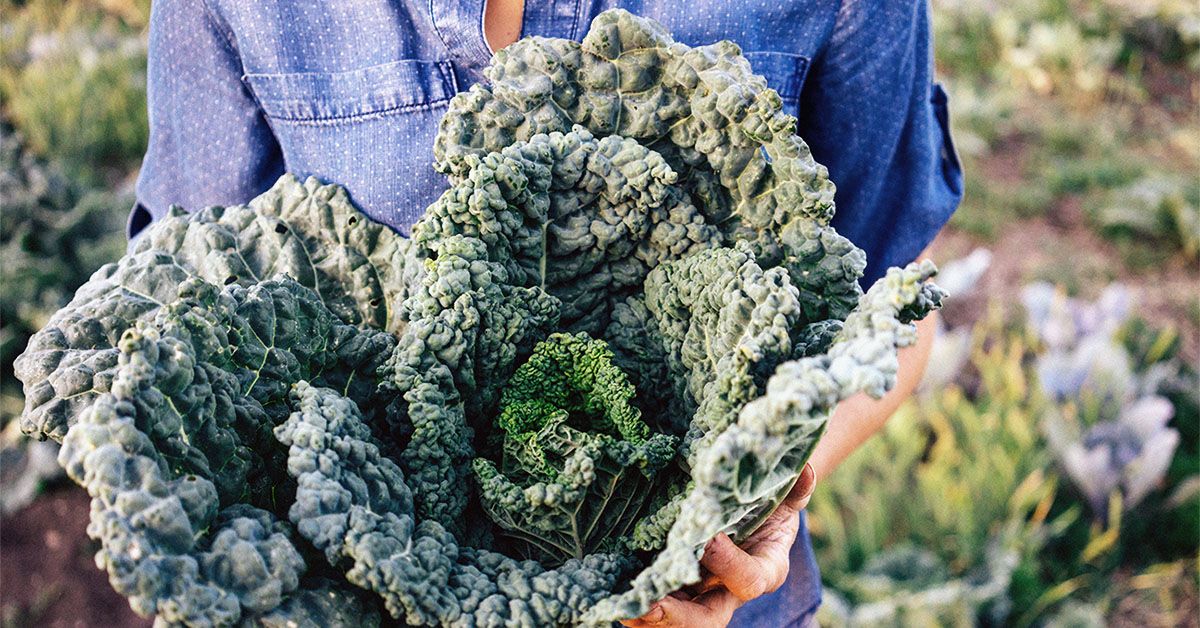
Image Source: MedicalNewsToday
Kale stands out as one of the most nutrient-dense vegetables you can find today. This leafy green powerhouse delivers more vitamin C than an entire orange.
Kale’s Essential Nutrients and Health Benefits
A cup of raw kale packs an impressive mix of nutrients:
- Vitamin K: 684% of daily value
- Vitamin C: More than 4.5 times the amount in spinach
- Omega-3 fatty acids: Helps lower cholesterol
Kale contains powerful compounds that help curb cancer cells and boost overall health.
Different Kale Varieties and Their Uses
Each kale variety brings its own unique characteristics to your kitchen. The dark blue-green Italian variety works great in soups and stews, especially when you have cold weather that intensifies its deep red veins. Red Russian kale’s tender new sprouts make an excellent addition to mixed green salads.
Best Ways to Prepare and Store Kale
The quickest way to keep kale fresh is simple. Wrap it in damp kitchen towels and store it in an airtight container. This method keeps it fresh for five to seven days. Remove the stems before cooking since they stay tough even after heat. You can soften kale leaves for raw consumption by massaging them with citrus or apple cider vinegar.
Avocados: Heart-Healthy Wonder
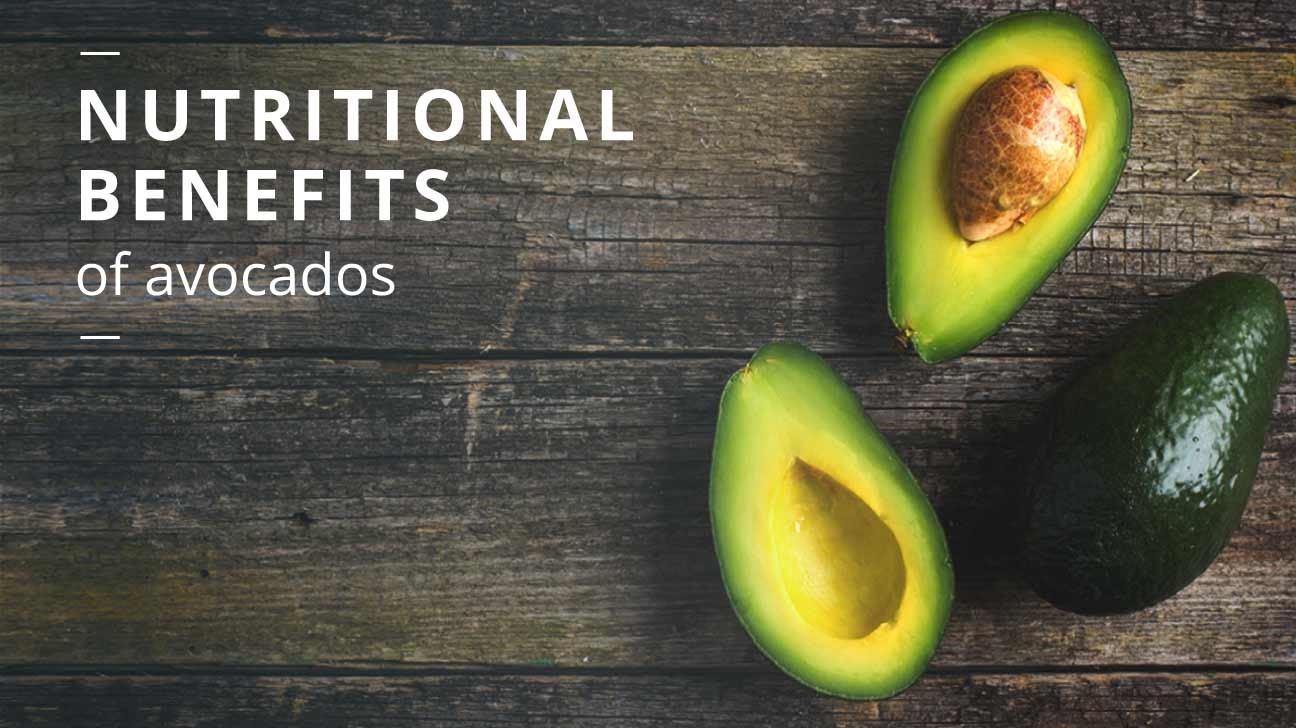
Image Source: Healthline
Avocados stand out among nutritious fruits and vegetables because of their heart-healthy properties. A single avocado contains 22 grams of fat, with most being heart-protective monounsaturated fats. This makes it an excellent choice to support cardiovascular wellness and your blood pressure.
Avocado’s Unique Nutritional Composition
A medium avocado packs these essential nutrients:
- 10 grams of dietary fiber
- 345 mg of potassium
- 19.5 mg of magnesium
- 57 mg of phytosterols
- 6.7 grams of monounsaturated fats
Research shows eating two servings this fruit weekly can lower your risk of cardiovascular disease by 16-22%.
Optimal Ripeness and Selection Guide
You can spot perfectly ripe avocados by these signs:
- The skin should be dark green to almost black with a bumpy texture
- The fruit should yield slightly to gentle pressure without dents
- The stem should come off easily to reveal green flesh underneath
Creative Ways to Include Avocados Daily
Avocados can improve dishes of all types while supporting heart health. They make a great substitute for spreads high in saturated fat. They blend perfectly into smoothies for extra creaminess and taste amazing on whole-grain toast.
You can even use avocados in place of butter for baking with a 1:1 ratio. In spite of that, their neutral taste works well in both sweet and savory dishes – from chocolate mousse to hearty sandwiches.
Sweet Potatoes: The Antioxidant Champion
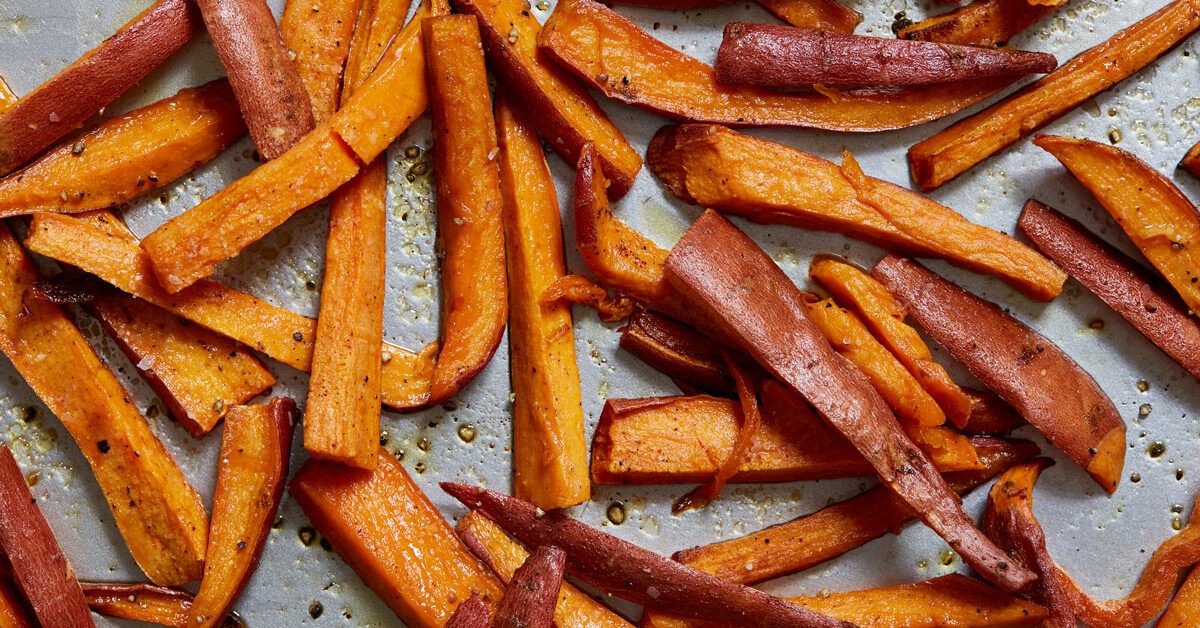
Image Source: Healthline
Sweet potatoes are among the most nutritious fruits and vegetables accessible to more people today. These versatile root vegetables, which were first developed in Peru around 750 B.C., pack exceptional health benefits and are rich in beta-carotene and antioxidants.
Sweet Potato Nutritional Benefits
A baked sweet potato’s single cup serving delivers impressive nutritional value:
- Vitamin A: 213% of daily value
- Vitamin C: 44% of daily value
- Manganese: 43% of daily value
- Fiber: 6.6 grams
Cooking Methods for Maximum Nutrition
Research shows that boiling sweet potatoes keeps up to 92% of their beta-carotene content. Boiling them for 20 minutes with the skin on is the quickest way to preserve nutrients. This method helps your body absorb beta-carotene better than baking or frying.
Storage and Shelf Life Tips
Sweet potatoes need proper curing before storage. The best curing happens at 80-85 degrees Fahrenheit with 80-90% humidity for 5-10 days. These vegetables should then be stored at 55-60 degrees for six to eight weeks to develop their sweet flavor.
These guidelines are a great way to get maximum freshness at home:
- Choose a cool, dry place away from direct sunlight
- Skip refrigeration as it leads to hard centers
- Consume within 1-2 weeks at room temperature
- Pick well-ventilated containers over plastic bags
Spinach: The Iron-Rich Leafy Green
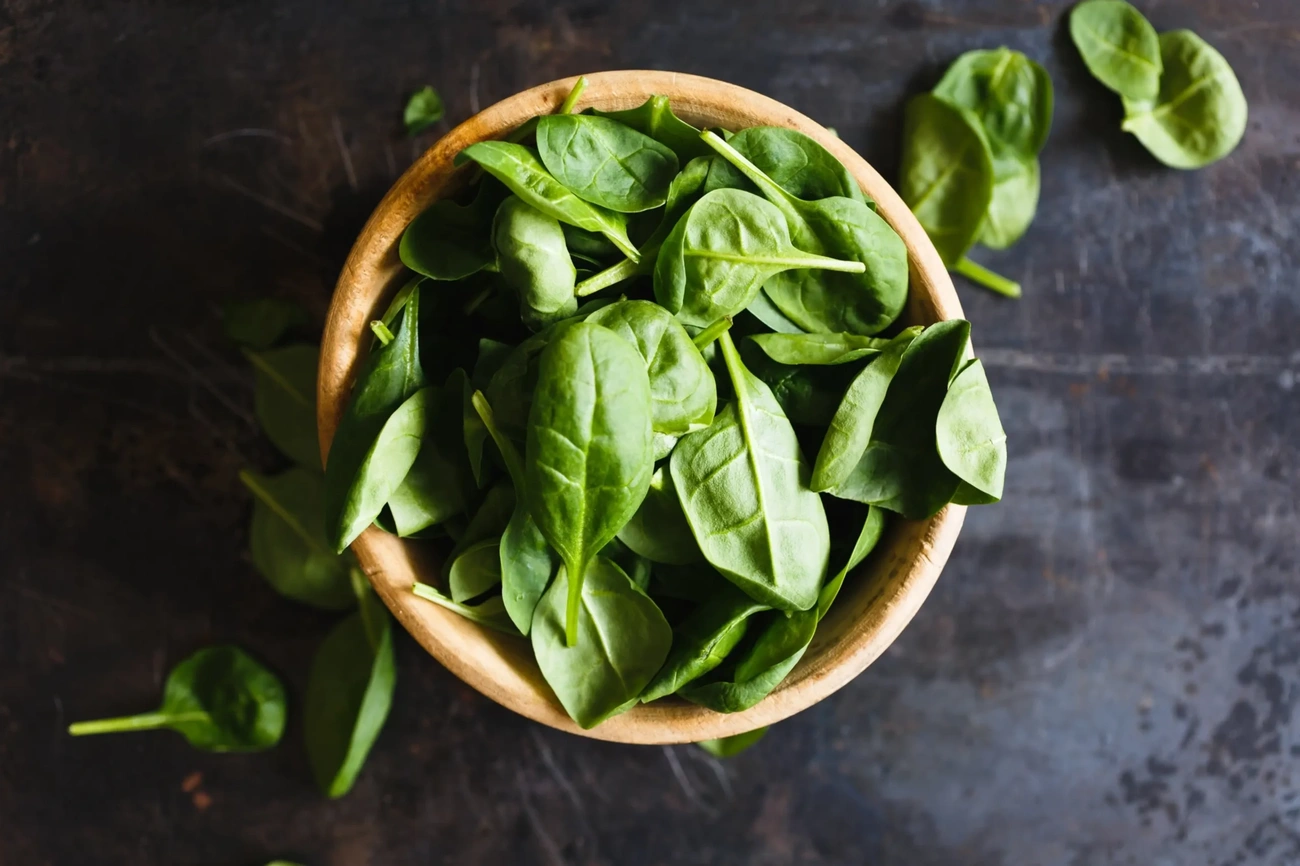
Image Source: Nutritics
Spinach stands out as a versatile leafy green packed with essential nutrients that deliver exceptional benefits. Without doubt, it deserves its status as a nutrient powerhouse. A single cup of raw spinach contains 47% of the daily value for vitamin C.
Spinach’s Complete Nutrient Profile
A 100-gram serving of spinach provides:
- 23 calories
- 3 grams of protein
- 2.4 grams of fiber
- 2.71 mg of iron
- 47% daily value of vitamin C
- 49% daily value of folate
Fresh vs Cooked Spinach Benefits
Raw and cooked spinach each have their unique advantages. Raw spinach retains higher levels of vitamin C and folate. Cooking reduces oxalic acid, which can block calcium and iron absorption. A quick steam of just a few minutes will preserve most nutrients.
Best Ways to Include Spinach in Meals
You can boost your meal’s nutritional value by adding spinach creatively. Simple dishes become nutritious with these additions:
- Blend into morning smoothies with fruits
- Wilt gently for warm salads
- Mix with pasta and protein
- Steam as a nutritious side dish
Store spinach in your refrigerator’s main compartment if you’re not using it right away. You can maximize iron absorption by combining spinach with vitamin C-rich foods.
Oranges: Immune System Booster
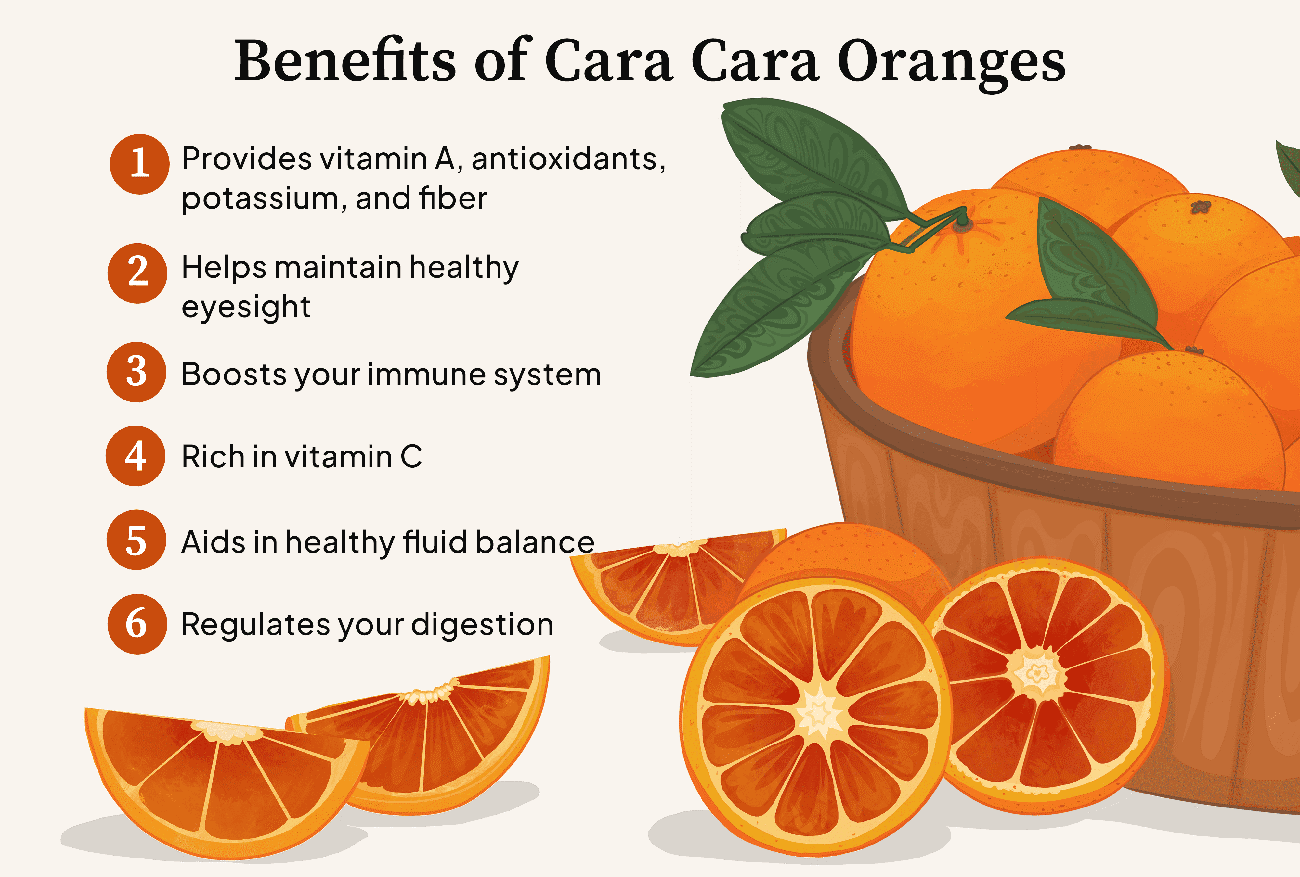
Image Source: Better Homes & Gardens
Vitamin C is the life-blood of immune health. Oranges provide up to 40.5mg/100ml in commercial varieties and 47.8mg/100ml in home-squeezed juice. The fruit’s flavonoids and other beneficial compounds support immune cell function and help fight inflammation.
This citrus fruit has a low glycemic index of 43, which means it has a lesser impact on blood sugar and diabetes compared to fruits with a high glycemic index, such as watermelon.
Orange Varieties and Their Benefits
Each orange variety comes with its own nutritional benefits:
- Navel and Pineapple: Highest vitamin C content
- Valencia: Excellent for juicing with pH 1.96
- Cara Cara: Provides 100% daily vitamin C requirement
Best Times to Eat Oranges
We found that eating this fruit on an empty stomach maximizes nutrient absorption. The body quickly absorbs nutrients when consumed in the morning rather than with dairy products or after meals. These citrus fruits make an excellent pre-workout snack too.
Storage and Freshness Guidelines
The optimal storage temperature for oranges is 41-42°F in your refrigerator’s crisper drawer. Fresh oranges can last up to six weeks under these conditions. Of course, proper storage needs:
- Mesh bags to ensure airflow
- Regular rotation to prevent moisture buildup
- Separation from high-humidity vegetables
Cut oranges stay fresh up to a week when stored in an airtight container. A fresh orange’s weight should feel heavy for its size, suggesting optimal juice content.
Broccoli: The Cancer-Fighting Vegetable

Image Source: Roswell Park Comprehensive Cancer Center
Research shows broccoli plays an exceptional role in preventing cancer through its unique compound, sulforaphane. This substance works actively to fight cancer types of all kinds, including lung, colorectal, breast, prostate, pancreatic, and stomach cancers.
This is what particularly sets broccoli apart from other healthy vegetables.
Broccoli’s Key Health Benefits
Broccoli serves as a rich source of nutrients with high levels of fiber, vitamin C, vitamin K, iron, and potassium. We discovered its cancer-fighting properties stem from isothiocyanates that:
- Lower oxidative stress
- Reduce inflammation
- Curb cancer development
Preparation Methods for Best Results
The way you cook broccoli substantially affects its nutrient content. Steaming or microwaving with minimal water preserves up to 90% of broccoli’s nutrients. Stir-frying offers another great option that maintains nutritional value and enhances flavor.
Selecting and Storing Broccoli
The best broccoli should have:
- Bright green color with no yellowing
- Firm, strong stalks
- Tightly packed florets
Fresh broccoli needs storage in perforated bags inside your refrigerator’s crisper drawer. Keep it away from fruits that produce ethylene. These storage conditions help broccoli stay fresh for about a week. You can boost broccoli’s sulforaphane content by pairing it with foods rich in myrosinase like mustard seed powder or radish.
Pomegranate: The Antioxidant Powerhouse
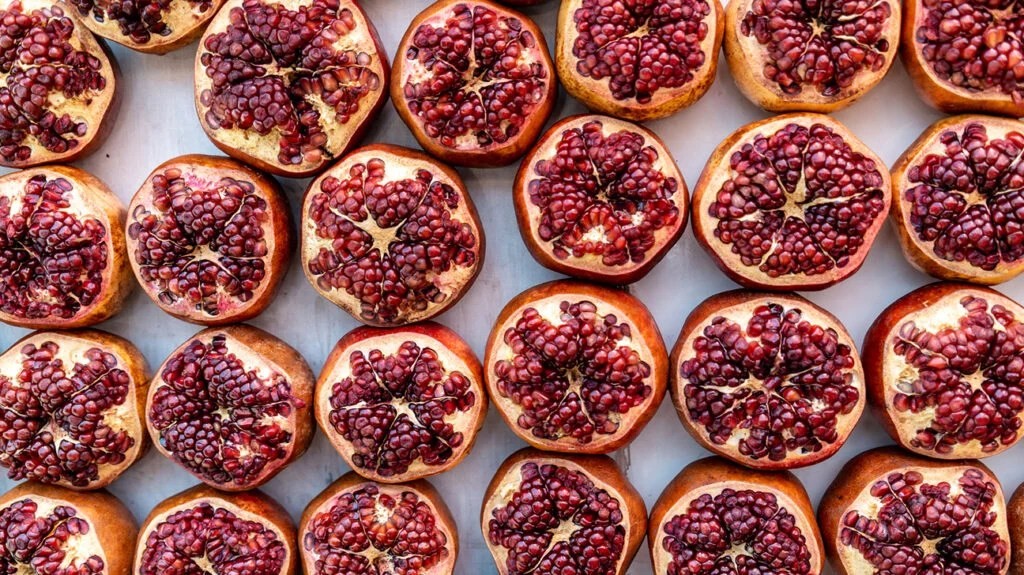
Image Source: MedicalNewsToday
Pomegranates are pioneering antioxidant-rich foods. The juice of this fruit shows higher antioxidant potential than both red wine and green tea. These ruby-red fruits pack powerful compounds that support your health through unique bioactive properties.
Pomegranate Nutritional Benefits
Each pomegranate packs an impressive nutritional punch:
- Calories: 234
- Protein: 4.7g
- Fiber: 11.3g
- Vitamin C: 32% DV
- Folate: 27% DV
Pomegranate juice shows remarkable antioxidant activity. Tests reveal concentrations of 150-200 μg/mL match the effects of standard antioxidants. Regular consumption helps control oxidation and inflammation.
How to Select and Open Pomegranates
The best pomegranates feel heavy and firm. Here’s how to open them:
- Cut off the crown (about half inch)
- Score the skin along visible sections
- Break apart over a bowl of water
- Gently separate arils underwater
Creative Ways to Eat This Fruit
You can add these versatile arils to many dishes:
- Add to morning yogurt or oatmeal
- Sprinkle over salads
- Blend into fresh juices
- Garnish desserts
Research shows pomegranate juice can reduce LDL cholesterol by 39%. The whole fruit offers extra fiber benefits while keeping its antioxidant properties intact.
Bell Peppers: The Vitamin C Champion
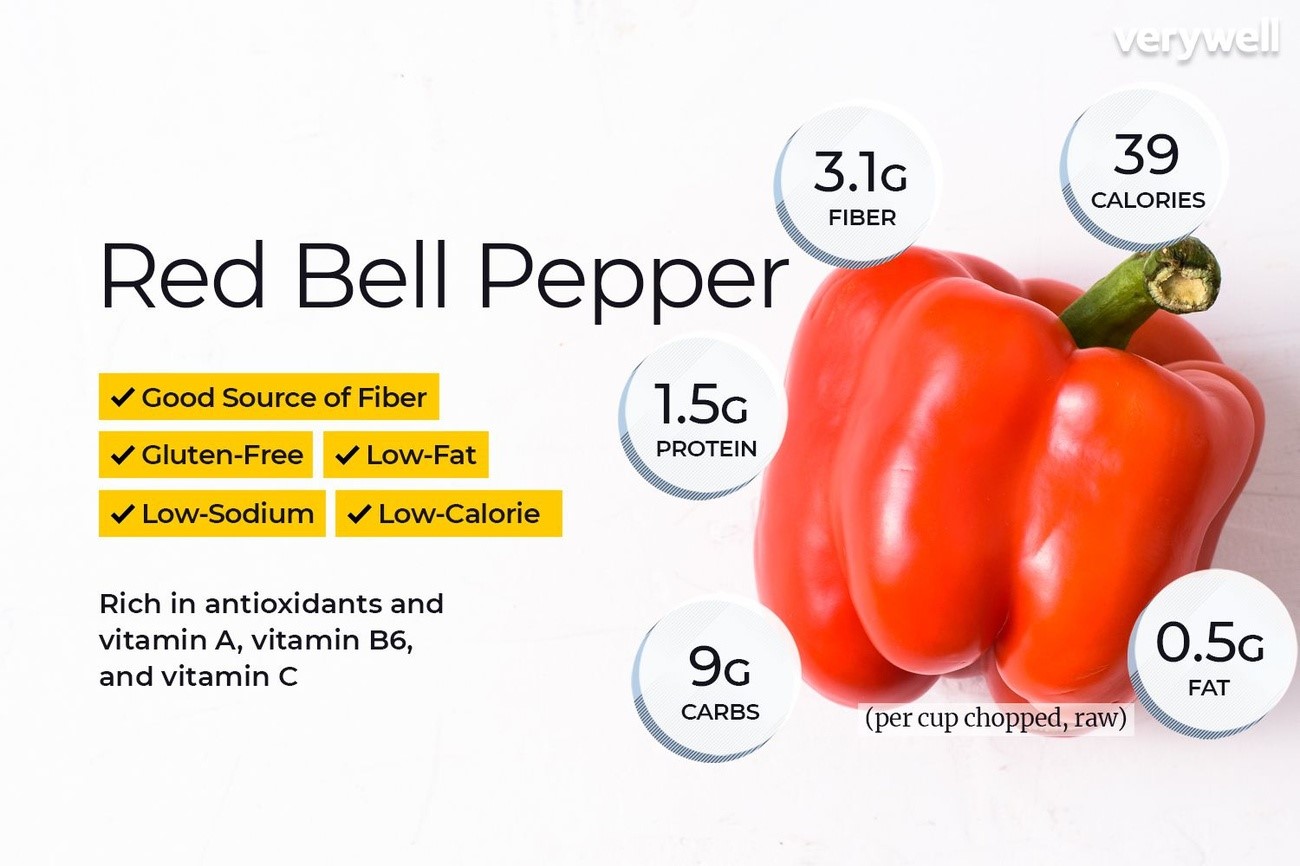
Image Source: Verywell Fit
Bell peppers stand out from other fruits and vegetables because of their impressive vitamin C content. Yellow varieties pack 183mg per 100g.
Bell Pepper Color Varieties and Benefits
Each pepper color brings something special to the table. Red peppers have 11 times more beta-carotene and double the vitamin C compared to green peppers. The vitamin C content in one cup varies by color:
- Green: 120mg
- Red: 190mg
- Yellow: 341mg
- Orange: 237mg
This healthy vegetable contains lycopene, which helps prevent heart disease and cancer.
Best Ways to Eat Bell Peppers
We found bell peppers boost the flavor of dishes in many ways. Red, yellow, and orange peppers taste sweeter, which makes them perfect for:
- Adding raw to salads and dips
- Roasting with a touch of oil
- Quick stir-frying
- Filling with healthy grains and proteins
Storage and Preservation Tips
The right storage method keeps bell peppers fresh up to two weeks. Whole peppers stay crisp in your refrigerator’s crisper drawer. Cut peppers last 4-5 days when you store them with a paper towel in an airtight container. Flash-freezing sliced peppers helps maintain their quality for up to six months.
Carrots: Vision-Supporting Vegetable
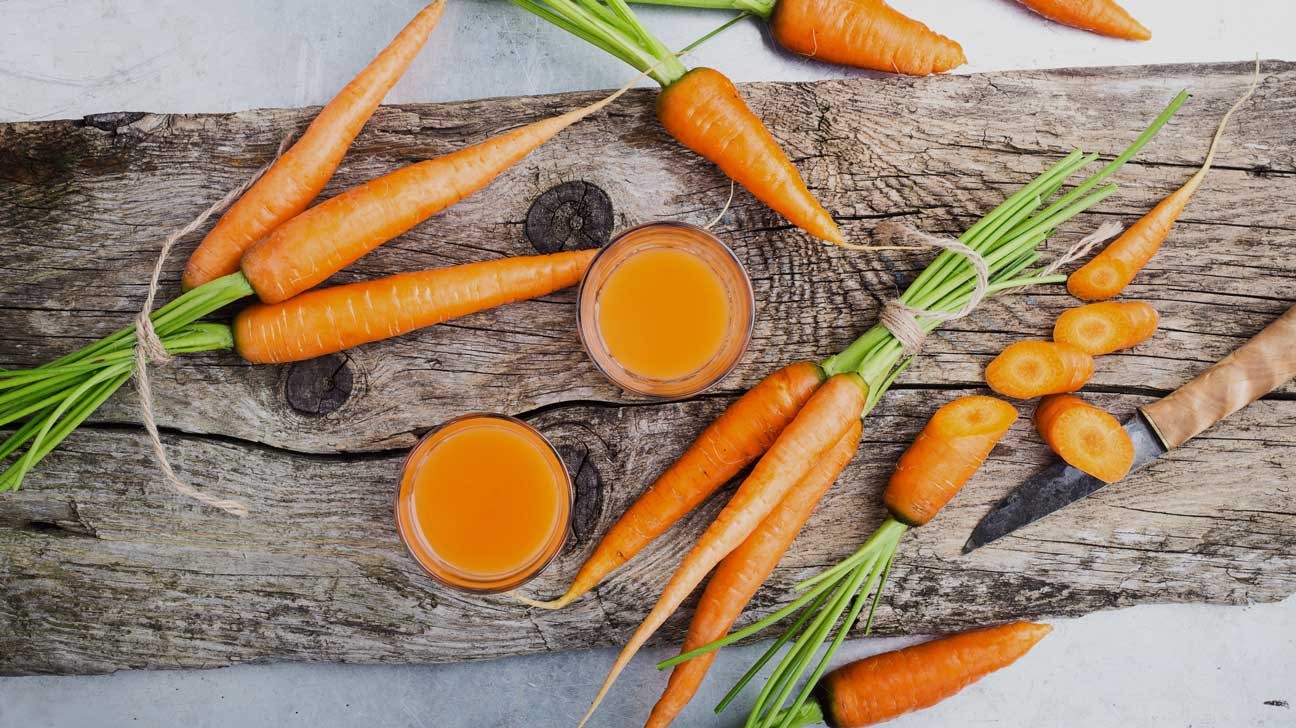
Image Source: Healthline
Beta-carotene stands out as the signature compound in carrots. This vibrant orange vegetable provides remarkable support to vision health. A single cup of carrots gives you 73% of your daily vitamin A needs. The nutrients help your eyes adapt better in dark conditions.
Carrot Nutritional Profile
One serving of carrots gives you these vital nutrients:
- 25 calories
- 6 grams of carbohydrates
- 2 grams of fiber
- 73% daily vitamin A
- 9% daily vitamin K
Raw vs Cooked Carrot Benefits
Your body absorbs up to 40% of beta-carotene from cooked carrots, while raw carrots yield only 3%. Heat breaks down the cellular walls and makes nutrients more available. Boiled carrots keep their antioxidant carotenoids intact. However, their water-soluble vitamin content drops by 33%.
Storage and Preparation Guidelines
Whole, unpeeled carrots stay fresh up to a month with proper storage. Here’s how you can store them best:
- Place in sealed plastic bags in the refrigerator’s crisper drawer
- Remove greens before storage
- Skip washing before storage
- Keep them away from ethylene-producing fruits
Cut carrots need special attention and last 2-3 days wrapped in damp paper towels. Your limp carrots can regain their crispness after an hour’s soak in cold water.
Comparison Table
| Food Item | Key Nutrients/Benefits | Daily Value Contributions | Storage Duration | Best Consumption Methods | Special Notes |
|---|---|---|---|---|---|
| Blueberries | Fiber, Vitamin C, Vitamin K, Anthocyanins | Fiber: 13% DV, Vitamin C: 14% DV, Vitamin K: 24% DV | Up to 2 weeks refrigerated; 10 months frozen | Fresh/frozen in smoothies, yogurt, cereal, juices | Studies show optimal results with 250g daily for 6 weeks |
| Kale | Vitamin K, Vitamin C, Omega-3 | Vitamin K: 684% DV | 5-7 days | Remove stems before cooking; add citrus for raw consumption | Contains higher Vitamin C content than oranges |
| Avocados | Monounsaturated fats, Fiber, Potassium | Fiber: 10g, Fat: 22g, Potassium: 345mg | Until ripe | Perfect for spreads, smoothies, toast toppings | Regular consumption twice weekly lowers cardiovascular risk by 16-22% |
| Sweet Potatoes | Beta-carotene, Vitamins A & C | Vitamin A: 213% DV, Vitamin C: 44% DV | 6-8 weeks when properly cured | Boiling preserves 92% of beta-carotene | Store between 55-60°F after curing |
| Spinach | Iron, Vitamin C, Folate | Vitamin C: 47% DV, Folate: 49% DV | Not specified | Excellent raw in salads, steamed, in smoothies | Combine with vitamin C rich foods to enhance iron absorption |
| Oranges | Vitamin C, Flavonoids | 40.5-47.8mg/100ml Vitamin C | Up to 6 weeks refrigerated | Best eaten fresh or juiced | Maximum benefits on empty stomach |
| Broccoli | Sulforaphane, Vitamins C & K | Not specified | About 1 week | Steaming or microwaving retains 90% nutrients | Add mustard seed powder to enhance benefits |
| Pomegranate | Antioxidants, Vitamin C, Folate | Vitamin C: 32% DV, Folate: 27% DV | Not specified | Enjoy fresh arils, juice, or as garnish | Surpasses red wine and green tea in antioxidant levels |
| Bell Peppers | Vitamin C, Beta-carotene | Yellow: 341mg Vitamin C/cup | 2 weeks whole; 4-5 days cut | Delicious raw in salads, roasted, stir-fried | Yellow varieties offer highest Vitamin C levels |
| Carrots | Beta-carotene, Vitamin A | Vitamin A: 73% DV | Up to 1 month | Eat raw or cooked (cooking releases 40% more beta-carotene) | Cooking enhances nutrient absorption |
Conclusion
Research shows these top 10 fruits and vegetables pack impressive health benefits. Blueberries boost brain function while carrots support vision health. Each food comes with unique nutritional advantages supported by scientific studies. These foods deliver vitamins, minerals, and compounds that fight disease and promote wellness.
The right storage and preparation methods help get the most nutrition from these foods. Frozen blueberries keep their antioxidants fresh for months. Cooked carrots provide more beta-carotene than raw ones. The body absorbs nutrients better when certain foods work together – like eating vitamin C-rich foods with spinach to boost iron absorption.
These nutrient-dense foods fit easily into daily meals. You can enjoy them fresh, cooked, or mixed into smoothies to match any eating preference. Without doubt, these foods build a strong foundation for better health and vitality when included in a balanced diet.
Fruits and vegetables are beneficial in nutrition because they can help regulate your blood pressure, diabetes, weight management, brain activity and much more.