Bee Pollen
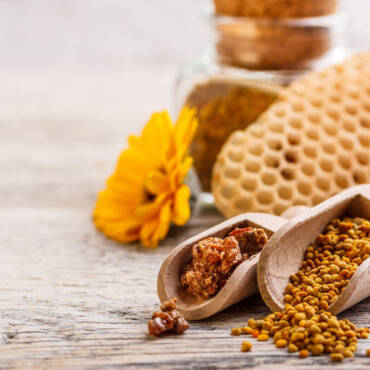
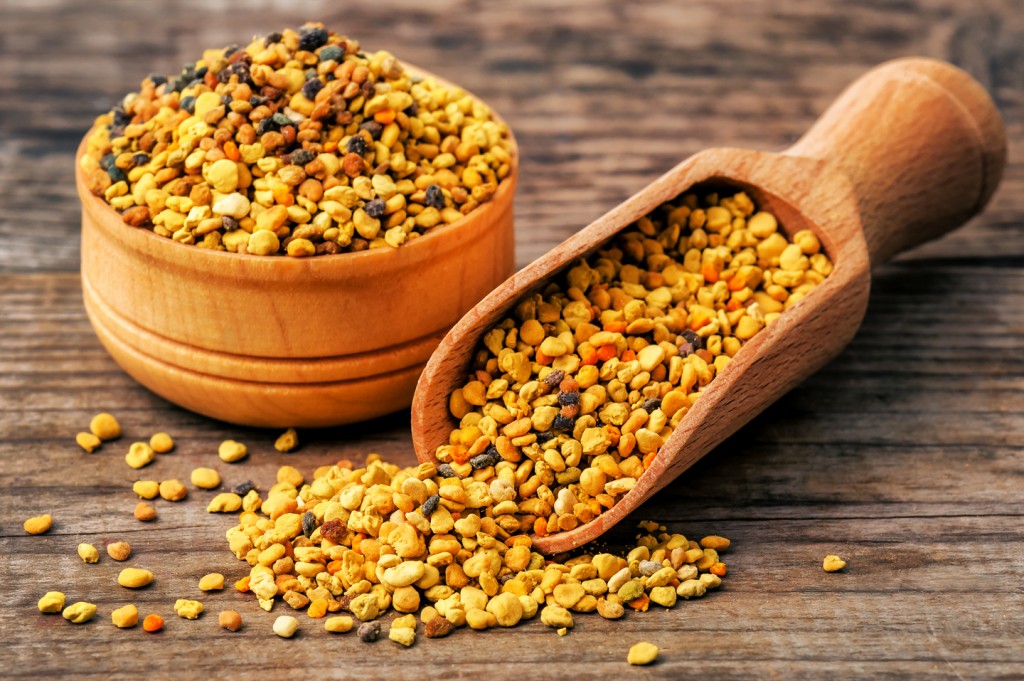
Bee pollen is not the same as pollen that causes allergies and is carried by the wind. It rarely causes allergy symptoms. It is actually the male seed of the flower that the bees collect and mix with their digestive enzymes. It occurs in the form of small yellowish-orange to dark brown or black granules.
Pollen is the basic food for bees and in case of lack, bees are threatened with extinction. Bees use pollen as food for their brood, to feed the queen and for the rapid development of newly formed worker bees.
Bee pollen is low in calories, but rich in proteins, amino acids, vitamins, minerals, enzymes, useful fatty acids, carbohydrates and bioflavonoids that are anti-viral, antibacterial and help lower cholesterol, stabilize and strengthen capillaries. Its ability to rejuvenate the body, stimulate the organs, improve vitality and accelerate recovery makes it a popular tonic for athletes and athletes.
Commercial beekeepers often use pollen traps, which are a type of device placed under or in front of the hive entrance, usually plastic or metal nets, to collect pollen. When the bees return to the hive, they have to pass through that trap, the net scrapes off some of the pollen, which drips onto the collection tray.
The bee does not consume fresh pollen, but stores its granules in the empty honeycomb shafts and mixes them with its digestive enzymes, nectar and wax and leaves it to ferment for at least 21 days. Pollen fermented in this way is preserved by the bee with a thin layer of honey, and perga is obtained, which represents the highest quality material that can be obtained from the hive.
Pollen is considered a very valuable food that is recommended to both the old and the young. However, even though it is a treasure trove rich in vitamins, people allergic to pollen or bee stings must avoid it.