Honey
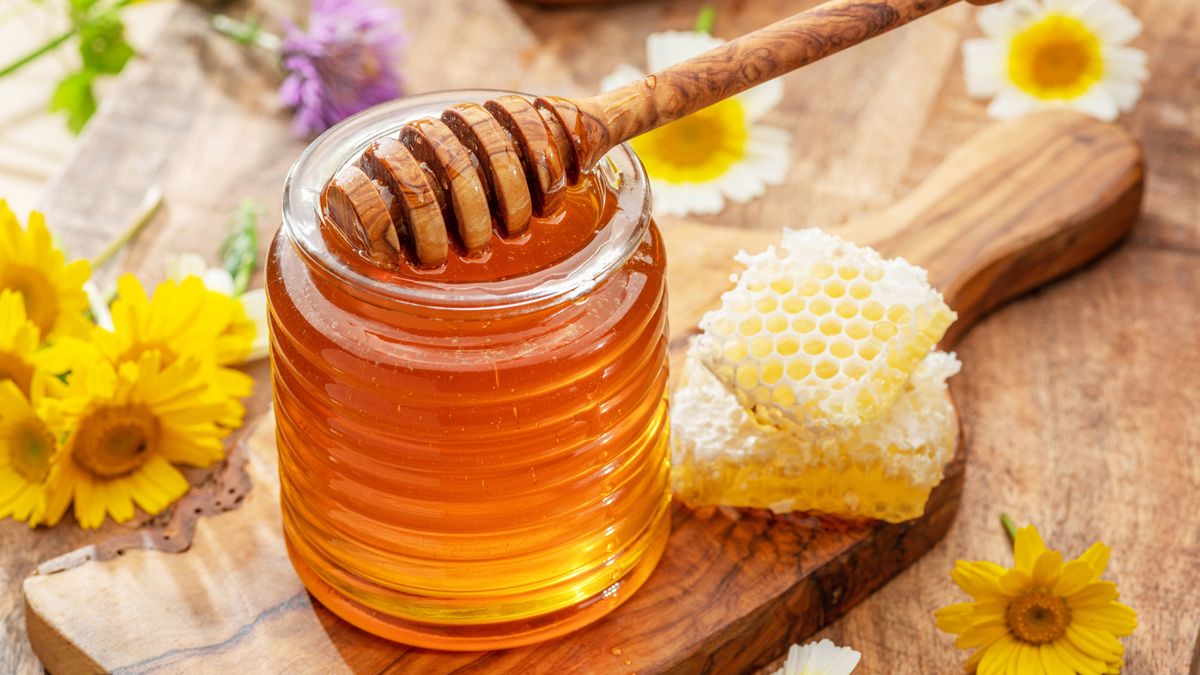
Honey is a sweet, viscous substance produced by bees from the nectar of flowers. People have valued it for thousands of years, not only for its wonderful taste but also for its numerous health benefits and cultural significance.
Production Process
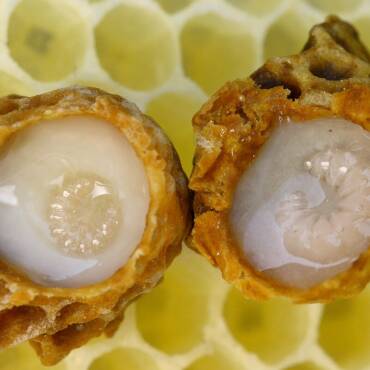
The production of honey begins when bees collect nectar from flowers. The nectar is stored in a special stomach called the honey stomach, where enzymes start to break down the sugars. When the bee returns to the hive, it regurgitates the nectar, passing it to other worker bees. These bees further process the nectar by adding more enzymes and reducing its moisture content through evaporation, which facilitates wing fanning. The final product is stored in hexagonal cells made of beeswax, where it eventually thickens and matures into honey.
Types of Honey
There are many types of honey, each with its unique flavor, color, and aroma, depending on the nectar source. Some popular varieties include:
- Acacia Honey: Made exclusively from the nectar of acacia flowers.
- Meadow Honey: Ranging from light to dark in color, this honey is obtained from various flowers of meadow and shrub vegetation.
- Forest Honey: Honeydew or honeydew is a sweet substance that appears periodically, at certain intervals, on the leaves of specific evergreen and deciduous trees, most commonly on the leaves of pine, fir, spruce, willow, oak, and sweet chestnut.
- Sunflower Honey: Its color varies from yellow to orange and is produced by collecting nectar from sunflower flowers.
- Linden Honey: Linden honey is clear, almost transparent, with a pleasant, strong, and very sharp aroma.
- Chestnut Honey: Chestnut honey is dark, has a distinctive aroma, and a very characteristic, somewhat bitter taste.
Health Benefits
Honey is not just a natural sweetener; it also offers several health benefits:
- Antioxidant Properties: Honey contains antioxidants that can help combat oxidative stress in the body.
- Antibacterial and Antifungal: Certain types of honey, especially Manuka honey, have shown antibacterial properties, making them effective in treating wounds.
- Soothing for the Throat: Honey can help soothe sore throats and coughs and is often used in herbal remedies and teas.
- Aid in Digestion: Honey can promote digestive health and is sometimes used to alleviate symptoms of gastrointestinal issues.
Cultural Significance
Honey has played a significant role in various cultures throughout history. It is often associated with sweetness and prosperity and is used in religious rituals, traditional medicine, and culinary practices. In ancient Egypt, honey was used in embalming and as an offering to the gods. In many cultures, it symbolizes fertility and abundance.
Conclusion
Whether enjoyed on its own, drizzled over yogurt, or used as a natural sweetener in recipes, honey is a versatile and nutritious product. Its unique flavors and health benefits make it a beloved ingredient in kitchens around the world. However, it is important to consume honey in moderation due to its high sugar content and to be mindful of sustainable sourcing to support bee populations and their vital role in our ecosystem.